Herzog Initiates Coalition Talks After Election Results Confirmed
Israeli President Isaac Herzog has accepted the election results and begun discussions to form a new government amid Netanyahu's challenges.
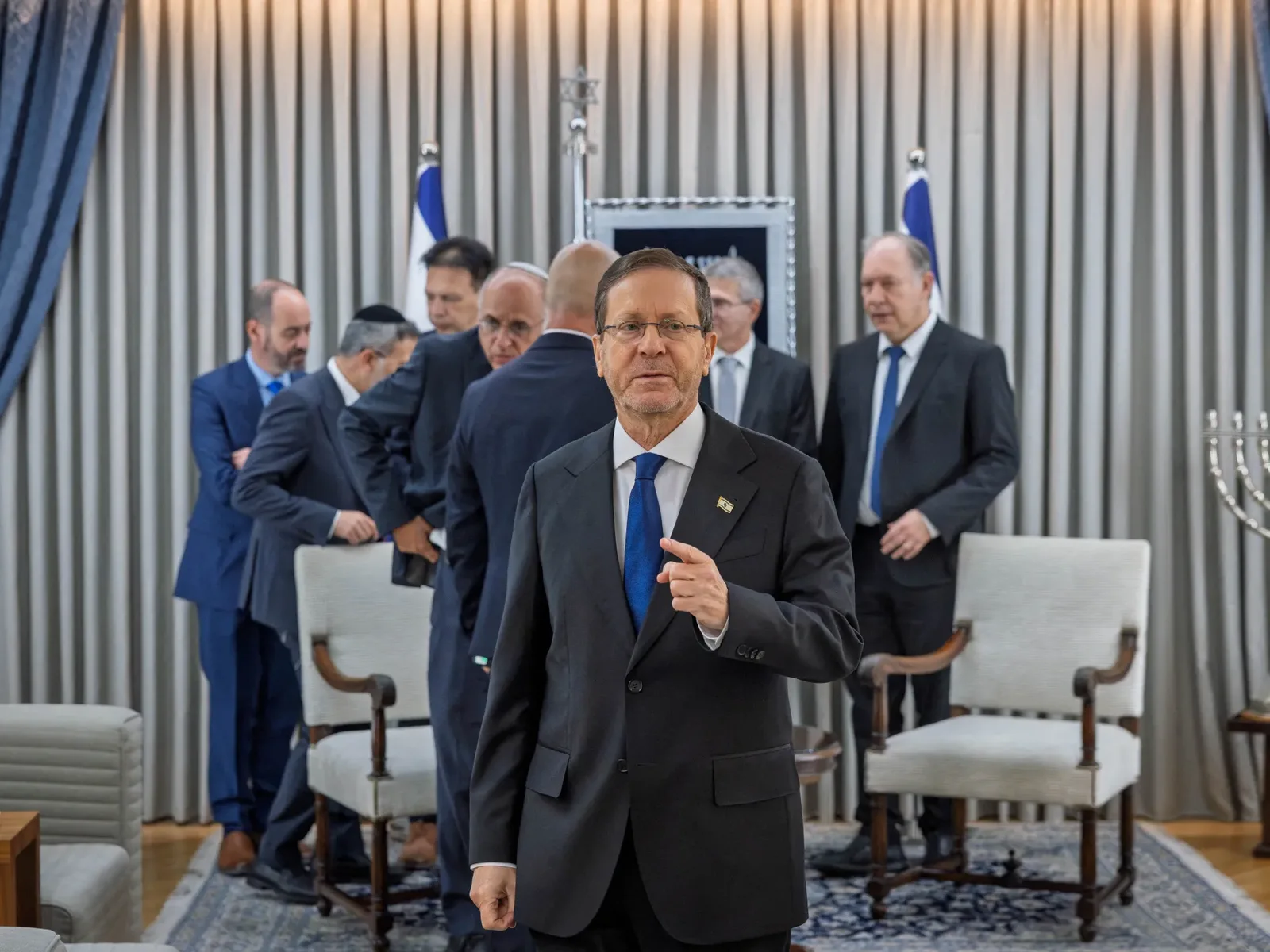
Herzog has started consultations with party leaders after accepting the election results.
Netanyahu's coalition lost its majority, while Arab-led parties gained historic representation.
The possibility of a coalition between Eisenkot and Arab parties is emerging.
Israeli President Isaac Herzog has officially accepted the certified results of the recent parliamentary elections held on October 27, 2026, and has initiated discussions with various political party leaders regarding the formation of the next government. This development comes as a significant setback for Prime Minister Benjamin Netanyahu, whose coalition lost its majority in the Knesset, with Arab-led parties achieving unprecedented success.
In the recent elections, neither Netanyahu's coalition nor the opposing bloc led by Gadi Eisenkot managed to secure the necessary 61 seats to govern. Netanyahu's coalition garnered 53 seats, while Eisenkot's bloc received 48. The election results have opened the door for potential alliances, particularly between Eisenkot and the Arab parties, Ra’am and the Joint List, which collectively won a record 19 seats.
On the first day of consultations, Herzog met with representatives from various factions, including Religious Zionism and Shas, gathering their recommendations on who should be tasked with forming the government. Notably, three factions aligned with Netanyahu's base suggested he be given the opportunity to form a coalition, while a faction led by a former ally of Netanyahu endorsed Eisenkot. Additional meetings with eight more parties, including the Arab factions, are scheduled to continue, with the outcomes likely influencing the coalition dynamics.
Eisenkot's chances of forming a government improved significantly when Ra’am expressed its support for him, potentially bringing his backing to 56 lawmakers. However, this still falls short of a majority. The Joint List has yet to declare its position but is expected to coordinate with Eisenkot, which could further bolster his support. In contrast, Netanyahu's bloc may struggle to secure unanimous endorsements due to internal divisions.
As Herzog concludes the consultations, he will select the candidate he believes is best positioned to form a coalition, likely either Netanyahu or Eisenkot. The chosen nominee will have 28 days to establish a government, with a possible extension of 14 days. Should neither candidate succeed, Israel may face another election early next year. Amidst these developments, Herzog has called for compromise and creativity from both political camps to avoid further electoral uncertainty, emphasizing the need for unity in the current political landscape.