Supreme Court Postpones Hearing on CEC Gyanesh Kumar's Controversy
The Supreme Court has deferred the hearing on petitions against Chief Election Commissioner Gyanesh Kumar by ten days, allowing petitioners time to respond.
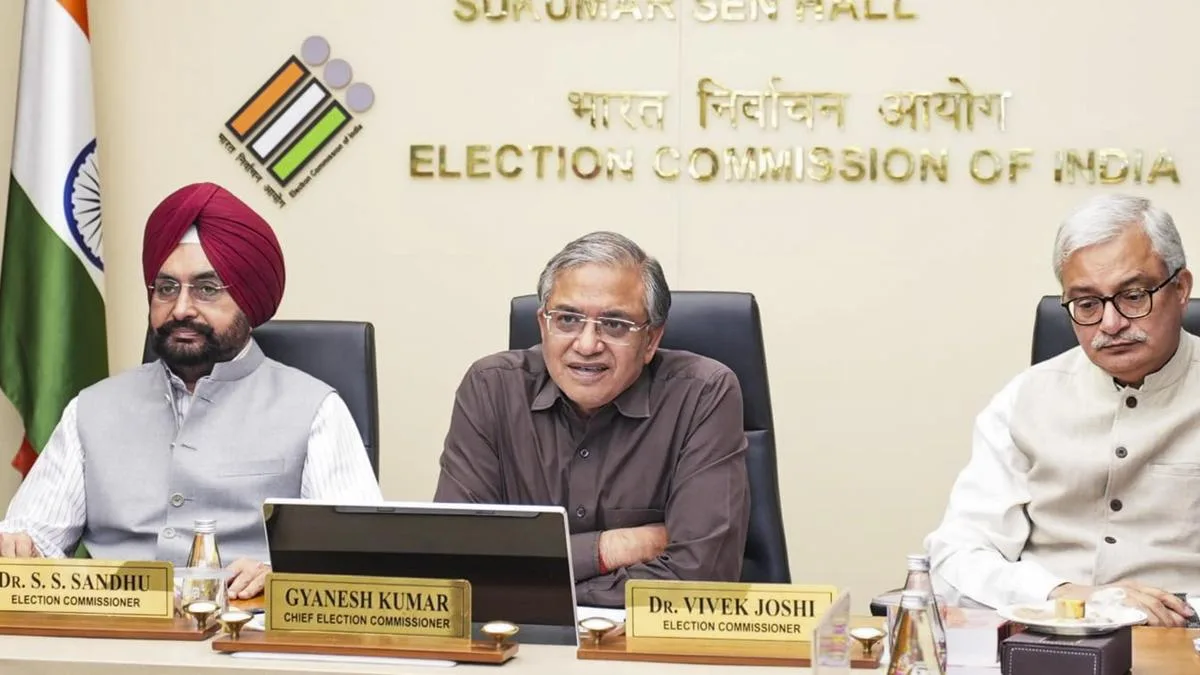
Hearing on petitions against CEC Gyanesh Kumar postponed by 10 days.
Over 99.32 lakh names removed from Karnataka's voter list during the SIR.
Election Commission defends changes to Form 6 amid Supreme Court scrutiny.
The Supreme Court has announced a ten-day postponement of the hearing concerning petitions filed against Chief Election Commissioner Gyanesh Kumar. This decision, made on October 27, 2026, allows petitioners, including prominent political figure Rahul Gandhi, to prepare their responses to an affidavit submitted by the Election Commission of India (ECI) earlier this week.
The backdrop to this legal tussle involves significant changes in the electoral process, particularly the Special Intensive Revision (SIR) of voter lists in Karnataka. The recent publication of the final electoral roll indicates that over 99.32 lakh names have been eliminated, reducing the electorate from approximately 5.54 crore to 4.55 crore. This revision aims to ensure that only eligible voters are included in the electoral rolls, a move that has sparked controversy and protests.
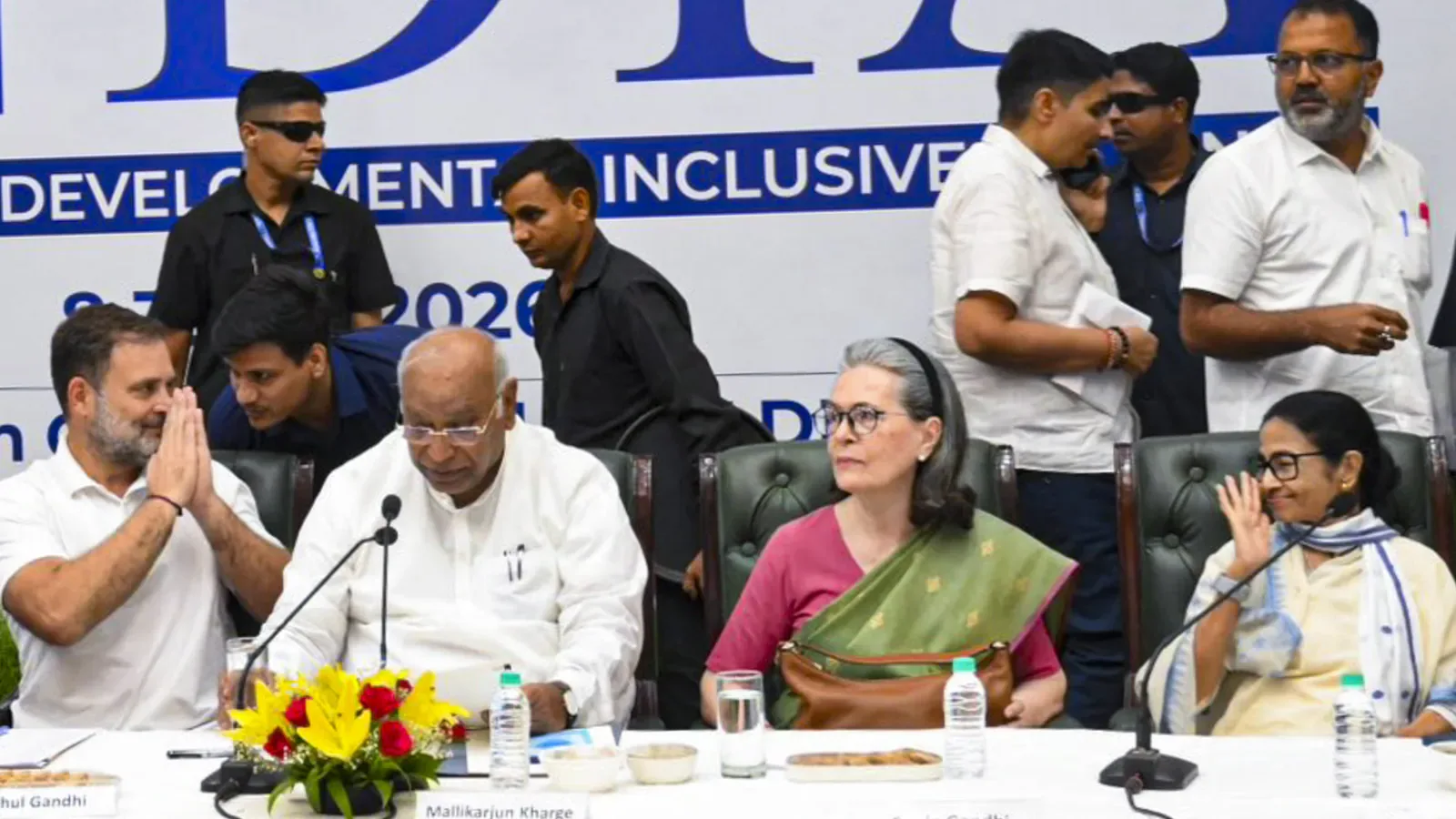
In the midst of these developments, Rahul Gandhi has urged traders in Delhi to pressure Prime Minister Narendra Modi to dismiss Gyanesh Kumar, claiming that such action would halt ongoing protests within moments. Gandhi's remarks highlight the political tensions surrounding the electoral process and the perceived failures of the current administration.
The ECI has faced scrutiny regarding its recent amendments to Form 6, which are intended to facilitate the re-enrollment of voters whose names were removed during the SIR. The Commission asserts that these changes are necessary for maintaining the integrity of the electoral process, despite allegations that they introduce unauthorized requirements. The Supreme Court has indicated it will examine these alterations further, raising questions about the transparency and legality of the ECI's actions.
Looking ahead, the Supreme Court's next steps will be crucial in determining the future of Gyanesh Kumar's position and the legitimacy of the electoral revisions. As the political landscape continues to evolve, the implications of these hearings will resonate throughout Karnataka and potentially influence the broader electoral framework in India.