Supreme Court Issues Notice on Plea Against CEC Gyanesh Kumar
The Supreme Court has declined to suspend Chief Election Commissioner Gyanesh Kumar, issuing notices on petitions challenging his unilateral decisions.
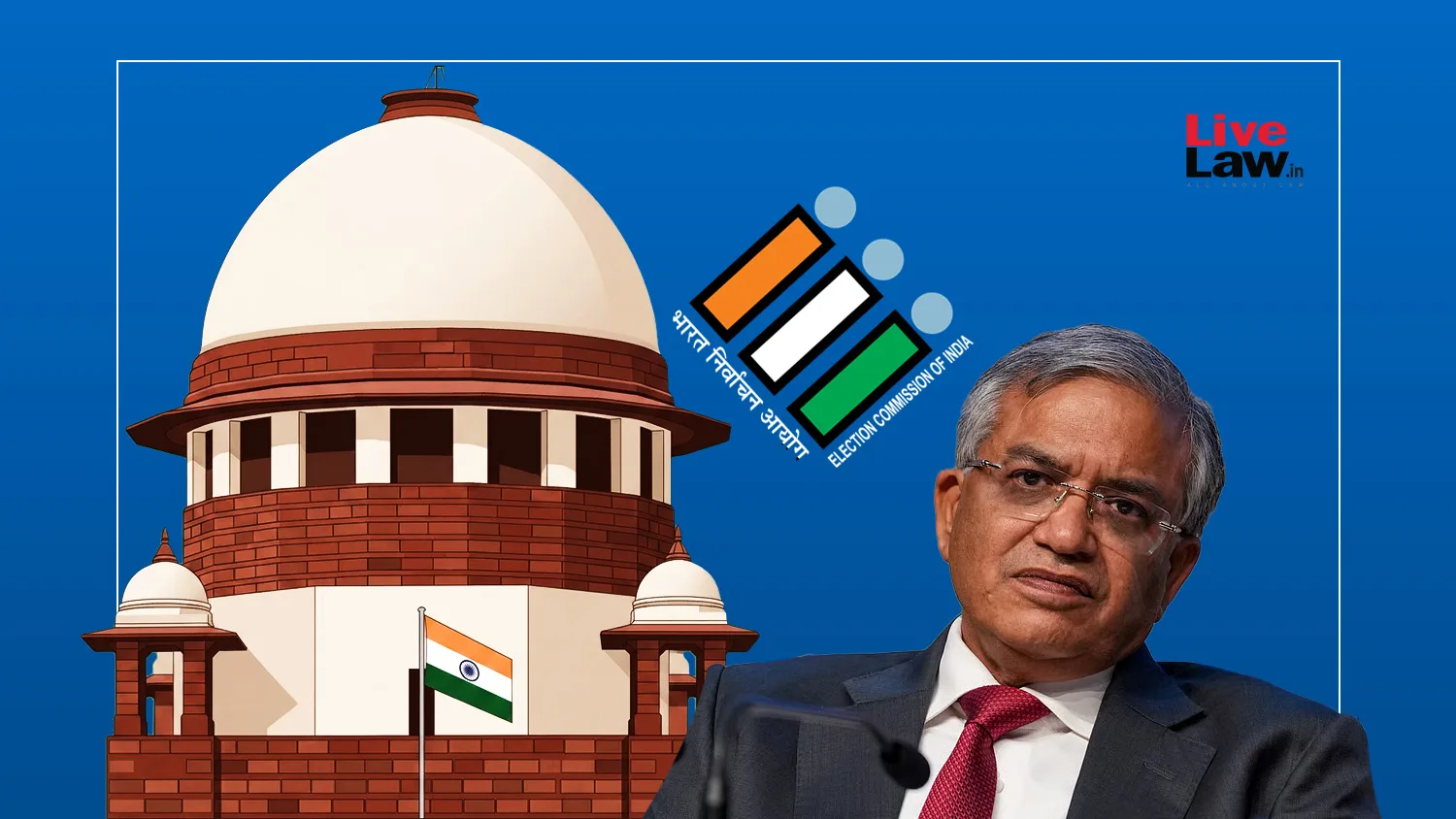
The Supreme Court refused an ex-parte order to suspend CEC Gyanesh Kumar.
Notices were issued to the Election Commission and other officials regarding the petitions.
Petitioners allege that 14 key decisions were made unilaterally by the CEC, undermining electoral integrity.
In a significant legal development, the Supreme Court of India has issued notices regarding a plea challenging the actions of Chief Election Commissioner (CEC) Gyanesh Kumar. On October 5, 2026, the court declined to grant an immediate suspension of Kumar, emphasizing the need to first hear responses from the Election Commission of India (ECI) and other involved parties. The bench, comprising Chief Justice Surya Kant and Justices Joymalya Bagchi and V Mohana, acknowledged the gravity of the allegations but stressed the importance of due process.
The petitions stem from a report by The Indian Express, which indicated that 14 crucial decisions related to the Special Intensive Revision (SIR) were made by Gyanesh Kumar without consensus from the other Election Commissioners, Sukhbir Singh Sandhu and Vivek Joshi. Senior Advocate Vikas Singh, representing petitioner Rakesh Kumar Singh, argued that the unilateral nature of these decisions has raised concerns about the safety of citizens' voting rights. He highlighted provisions in the CEC Act that mandate decisions to be made unanimously or by majority, underscoring the potential legal violations.
During the proceedings, Singh contended that the current situation poses a serious threat to democracy, stating that the CEC's actions are contrary to the statutory framework governing electoral processes. He urged the court to take interim measures to address the alleged violations, indicating that the electoral roll itself may have been compromised due to these unilateral decisions. The bench, however, pointed out that suspending the CEC could disrupt the functioning of the ECI, raising questions about who would oversee upcoming elections.
The implications of this case extend beyond the immediate legal context, as it raises critical questions about the integrity of the electoral process in India. The petitions not only challenge the actions of the CEC but also call for a thorough examination of the electoral framework to ensure accountability and transparency. The court's decision to issue notices reflects a cautious approach, balancing the need for immediate action against the necessity of a fair hearing for all parties involved.
Looking ahead, the Supreme Court's next steps will involve reviewing the responses from the ECI and other respondents. The outcome of this case could significantly impact the functioning of the Election Commission and the electoral process in India, particularly in light of the allegations regarding the deletion of millions of names from electoral rolls. As the legal proceedings unfold, the court's rulings will be closely monitored for their potential to reshape electoral governance in the country.