Supreme Court Highlights Legal Immunity of Election Commissioners
The Supreme Court has noted that the legal protections for Election Commissioners may surpass those of judges, raising concerns during ongoing hearings.
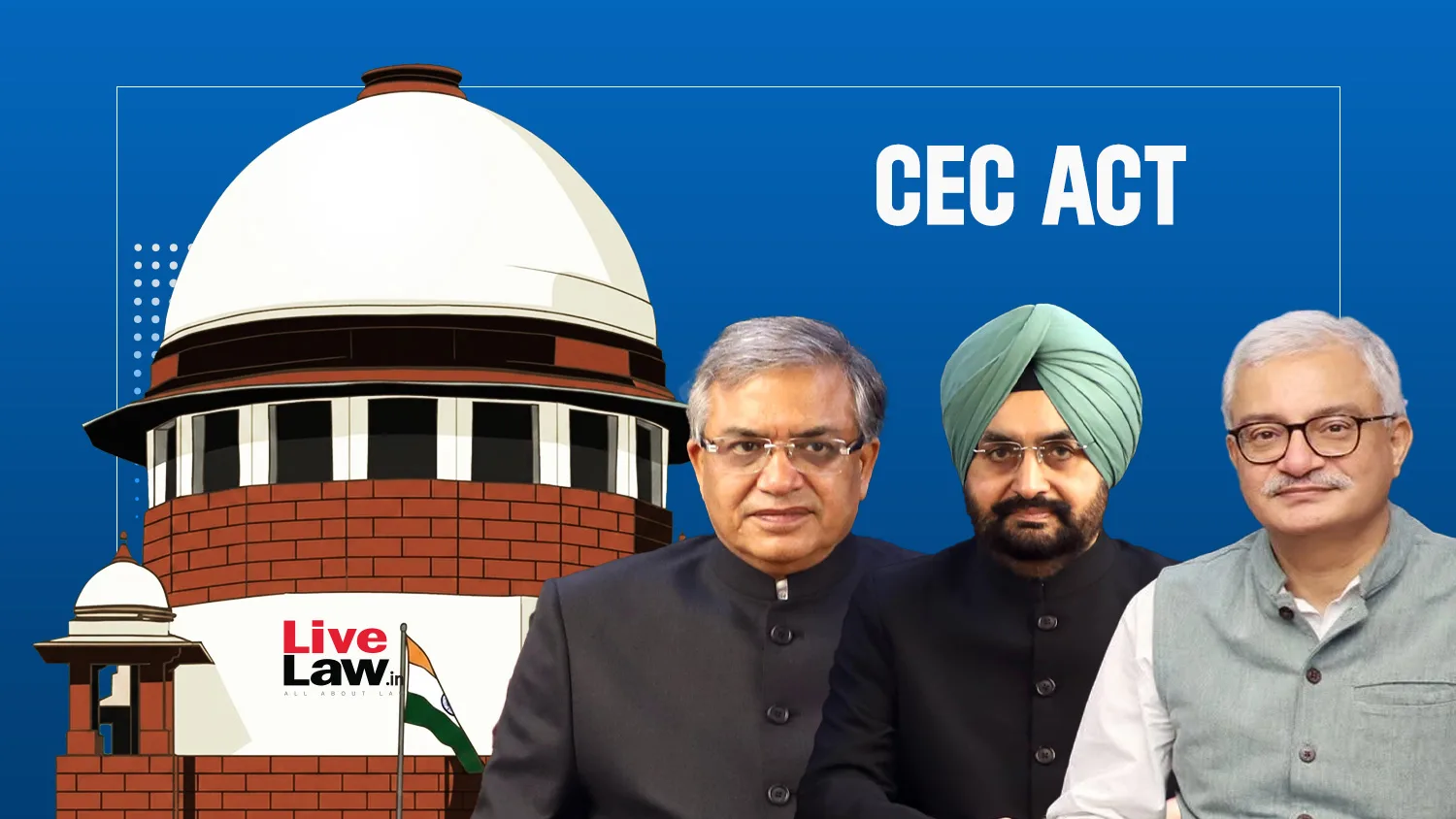
The Supreme Court observed that Election Commissioners enjoy broader legal immunity than judges.
Petitions challenge unilateral decisions made by CEC Gyanesh Kumar regarding electoral rolls.
The legal framework grants Election Commissioners protection even after leaving office.
On October 5, 2026, the Supreme Court of India made a notable observation regarding the legal protections afforded to the Chief Election Commissioner (CEC) and Election Commissioners. During hearings related to petitions challenging the unilateral decisions made by CEC Gyanesh Kumar concerning the Special Intensive Revision (SIR) of electoral rolls, the court remarked that the immunity provided under the Chief Election Commissioner and Other Election Commissioners (Appointment, Conditions of Service and Term of Office) Act, 2023, may be more extensive than that granted to constitutional court judges.
The bench, which included Chief Justice Surya Kant, Justice Joymalya Bagchi, and Justice V Mohana, was presented with arguments from Senior Advocate Vikas Singh. He contended that the 2023 Act significantly enhances the authority and legal protections of the CEC and other Election Commissioners. According to Section 16 of this Act, these officials are shielded from civil and criminal proceedings for actions taken in the course of their official duties, a protection that persists even after they leave office.
Justice Bagchi highlighted the extraordinary nature of this legal protection, suggesting it is comparable only to that of the President of India, and does not extend to judges. Singh concurred, asserting that the statutory framework effectively places the CEC in a position of legal superiority, even above that of Supreme Court judges, stating that the Election Commission of India (ECI) is now more powerful than any other constitutional authority.
The court's observations come amidst ongoing scrutiny of the legal framework governing Election Commissioners. Notably, the Judges (Protection) Act of 1985 provides similar protections for judges but includes provisions that allow for actions against them by various authorities. In contrast, the CEC Act lacks such explicit provisions, raising concerns about the accountability of Election Commissioners.
As the Supreme Court continues to deliberate on these issues, it has also taken up another petition challenging the lifelong immunity granted to Election Commissioners. The implications of these discussions could significantly impact the governance and electoral processes in India, as the court seeks to clarify the balance of power and accountability within the electoral framework.