Supreme Court Hears PIL Against Gender Identity Regulations
A Public Interest Litigation challenges India's gender identity framework, claiming it discriminates against biological females.
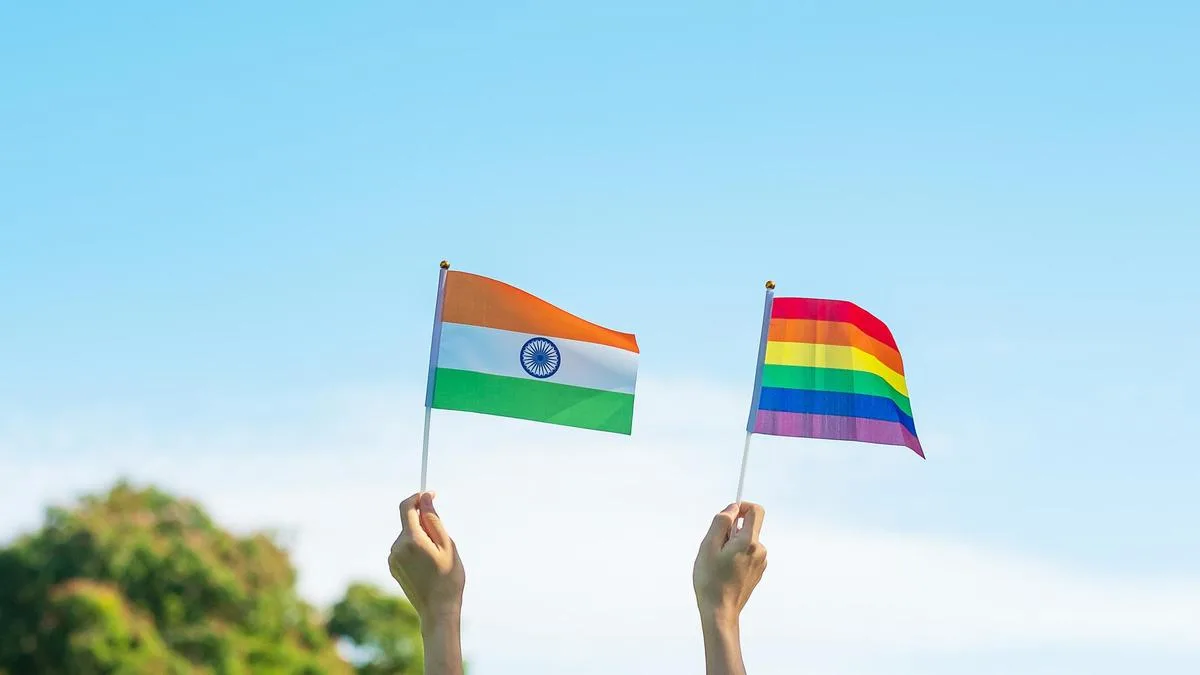
PIL filed by Women's Declaration International argues current laws harm biological females.
The case questions the implications of the NALSA judgment on women's rights.
Supreme Court issues notices to government ministries regarding the PIL.
A Public Interest Litigation (PIL) has been filed in the Supreme Court of India, contesting the regulatory framework established post the 2014 National Legal Services Authority (NALSA) judgment, which recognized transgender identities. The petitioners, representing the India chapter of Women’s Declaration International (WDI), assert that this framework is fundamentally discriminatory towards biological females, undermining their rights and protections.
The WDI's petition highlights concerns that the current legal structure not only dilutes the rights afforded to biological females but also infringes upon their freedom of speech. The organization argues that the requirement for citizens to acknowledge and express belief in various gender identities compromises the rights of women, particularly in contexts where legal recognition of gender identity has overridden biological sex in official documents.
In a significant move, the Supreme Court, led by Chief Justice Surya Kant, has issued notices to the Union Ministries of Social Justice and Empowerment, Law, and Health and Family Welfare regarding this PIL. The WDI seeks to challenge specific aspects of the NALSA judgment, particularly the ruling that legal recognition of gender identity is part of the constitutional right to dignity and freedom. Additionally, the petition questions the Transgender Persons (Protection of Rights) Act, 2026, which provides a framework for recognizing gender identity and obtaining gender certificates.
The implications of this case extend beyond legal technicalities, as it raises critical questions about the rights of women in India. The WDI cites various instances where individuals identified as biological males have participated in women-only spaces, such as elections and sports, which they argue threatens the rights and safety of biological females. This case comes at a pivotal moment as India prepares to implement the 106th Constitutional Amendment, aimed at reserving 33% of seats in the Lok Sabha and State Assemblies for women.
Looking ahead, the Supreme Court's deliberation on this PIL could set a significant precedent regarding gender identity laws in India. As the legal landscape evolves, the WDI emphasizes that the constitutional issues raised in their petition remain unresolved, even in light of recent amendments to the Transgender Persons Act. The outcome of this case could have far-reaching effects on the rights and protections of women in the country.