Supreme Court Demands Reports on Building Violations Nationwide
In the wake of the Satya Niketan PG collapse, the Supreme Court is calling for comprehensive reports on building law violations across state capitals.
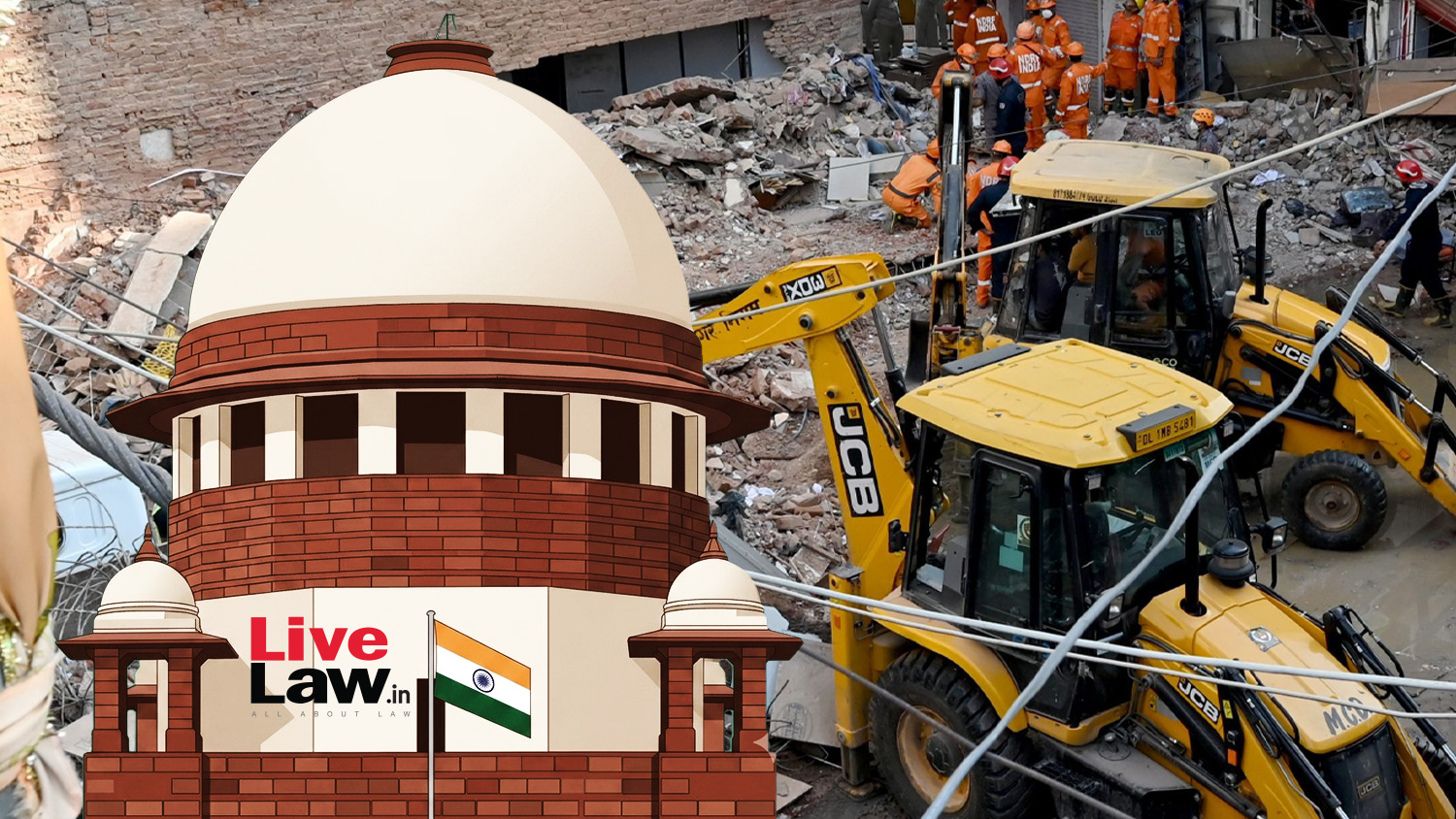
The Supreme Court is addressing widespread building law violations following the Satya Niketan incident.
Amicus Curiae highlighted concerns about unauthorized structures in various establishments, not just PG accommodations.
The Court has requested regular monitoring from the Delhi High Court and reports from civic authorities nationwide.
The Supreme Court of India has taken significant steps in response to the tragic collapse of a five-storey building in Satya Niketan, Delhi, which resulted in seven fatalities and numerous injuries. On September 10, 2026, the Court convened to discuss broader issues of building and land-use violations that extend beyond the immediate incident, emphasizing the need for a nationwide assessment of compliance with building laws.
During the proceedings, Amicus Curiae Senior Advocate Ajit Kumar Sinha informed the bench that the Delhi High Court is making progress in addressing the aftermath of the Satya Niketan collapse. He noted that actions, including the demolition of unauthorized structures, are underway. However, he urged the Court to consider the potential for similar violations in other types of establishments, such as gyms and coaching centers, which may also be operating without proper permits.
Justice Ahsanuddin Amanullah and Justice R. Mahadevan expressed concern over the overcrowding in certain buildings, with Justice Amanullah remarking on the unsafe conditions observed during inspections. The Court has mandated that civic authorities across all states and union territories submit affidavits detailing the actions taken regarding building byelaw violations and compliance with previous orders. This follows earlier directives issued on March 25, which called for a comprehensive review of residential areas misused for commercial purposes.
The implications of this case are significant for public safety and urban planning in India. The Supreme Court's focus on unauthorized constructions highlights the urgent need for stricter enforcement of building regulations. The ongoing monitoring by the Delhi High Court is expected to set a precedent for similar cases across the country, potentially leading to more rigorous inspections and accountability for property owners.
Looking ahead, the Supreme Court has scheduled a follow-up hearing for September 15, 2026, to review the progress made by the Delhi High Court and the reports from civic authorities. This case underscores the critical importance of ensuring safe living conditions in urban areas and the necessity for comprehensive regulatory frameworks governing residential and commercial properties.