CJP Leaders Withdraw Legal Challenge in Delhi High Court
Saurav Das and Ashutosh Ranka of the Cockroach Janta Party retract their plea against judicial custody extension amid court's guidance.
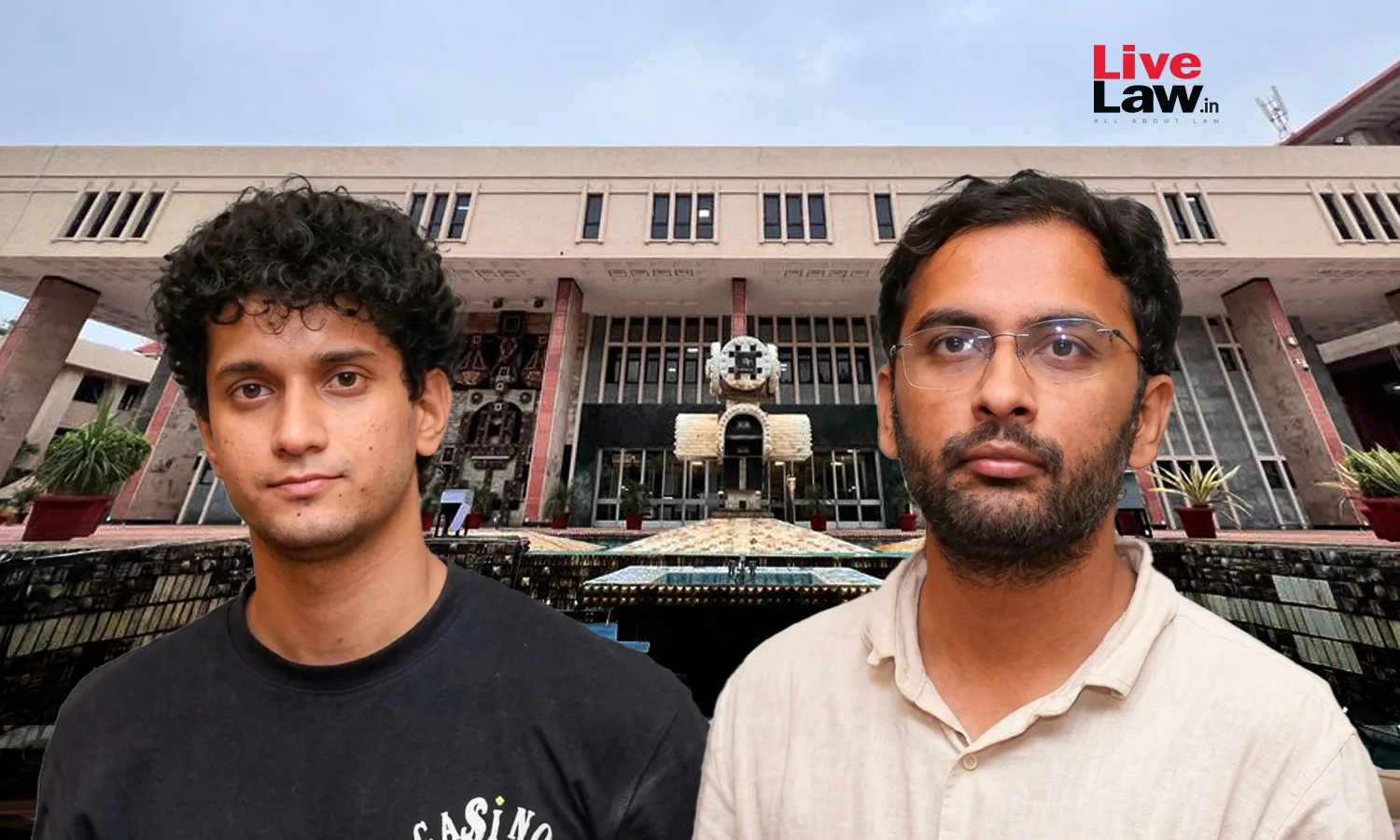
CJP leaders withdrew their plea in Delhi High Court regarding judicial custody.
The court indicated alternative remedies were available for the petitioners.
The case involves alleged violations of peace bonds during protests.
Saurav Das and Ashutosh Ranka, leaders of the Cockroach Janta Party (CJP), have officially withdrawn their legal plea from the Delhi High Court that challenged an extension of their judicial custody. The withdrawal occurred on October 21, 2026, following a hearing where Justice Subramonium Prasad expressed reluctance to entertain the writ petition, suggesting that alternative legal remedies were available to the petitioners.
The legal troubles for Das and Ranka stem from their involvement in protests against the Chief Election Commissioner (CEC), which led to their initial detention. They were remanded to five days of judicial custody by Executive Magistrate Mahesh Kumar Meena on October 14, 2026, and their custody was subsequently extended by two days on October 19. The court noted that the petitioners had allegedly breached peace bonds by attempting to unfurl the national flag at Jantar Mantar, an area designated for protests.
During the court proceedings, Justice Prasad remarked on the importance of liberty but emphasized that the law provides for remedies when there are existing legal provisions. He suggested that the petitioners wait for the outcome of their appearance before the Special Executive Magistrate (SEM) Court later that day before deciding on further legal actions. The court allowed the withdrawal of the petition without commenting on its merits.
The implications of this case extend beyond the immediate legal situation of the petitioners. The court's observations about the changing nature of the CJP's protests raise questions about the organization's motives and the potential for public disorder. The court highlighted that the petitioners' previous protests had involved students and were fundamentally different from their current activities, which could attract more participants and lead to unrest.
Looking ahead, the future of Das and Ranka will largely depend on the SEM Court's decision regarding their judicial custody. If the SEM rules in their favor, the matter may conclude, but if not, the leaders may need to pursue further legal options, including a possible revision of the SEM's order. The ongoing developments in this case will be closely monitored as they could have broader implications for the right to protest and public safety in Delhi.