Supreme Court Chief Justice Questions Lawyer's Plea Against Rahul Gandhi
Chief Justice Surya Kant criticizes a lawyer's unfounded claims regarding Rahul Gandhi's assets, emphasizing a lack of merit.
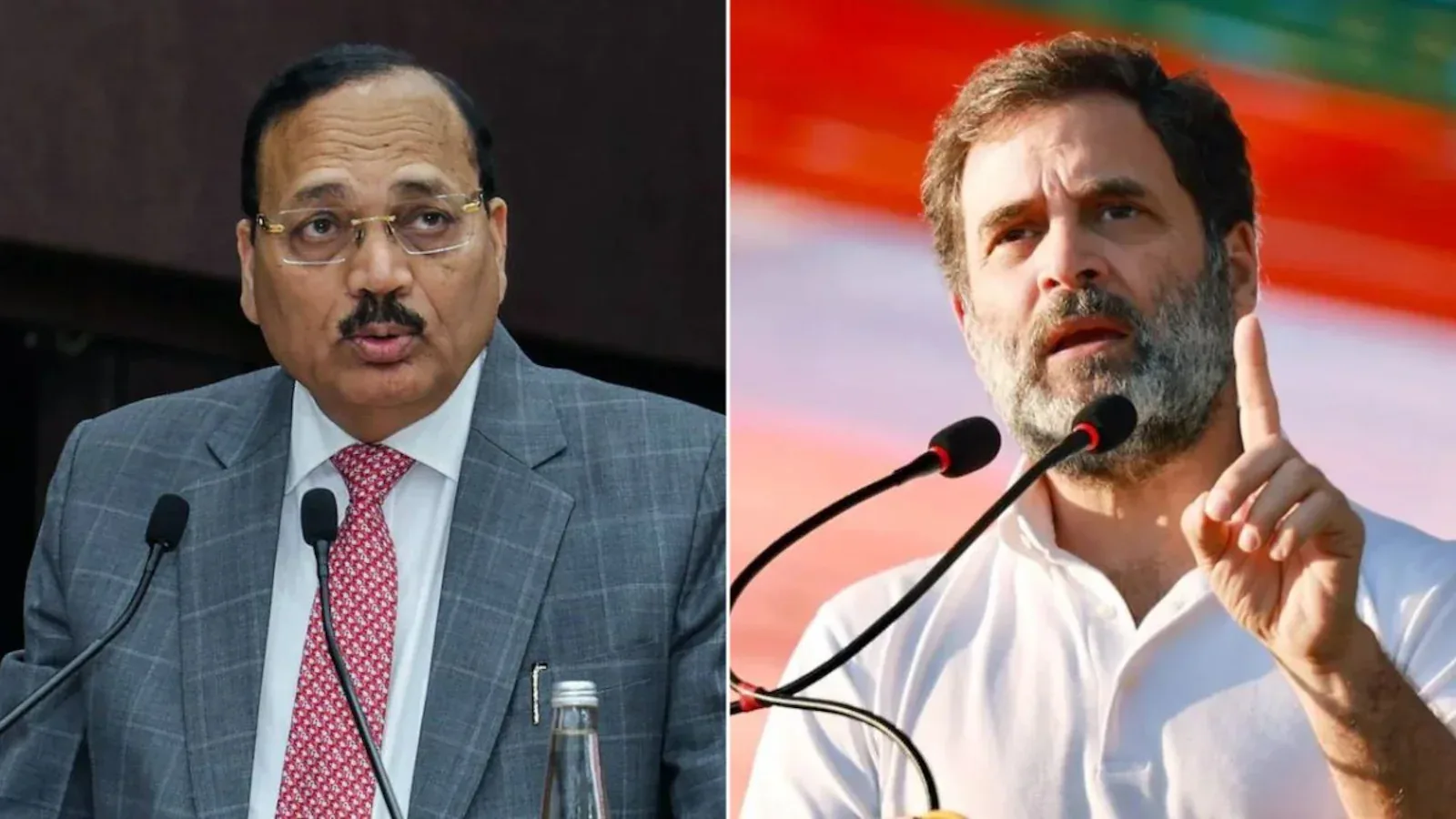
Chief Justice Surya Kant rebuked a lawyer for raising baseless asset allegations against Rahul Gandhi.
The Supreme Court has stayed an earlier Allahabad High Court order regarding the investigation into Gandhi's assets.
The case originated from a complaint by a BJP worker, prompting the Supreme Court to question the High Court's authority.
On Tuesday, Chief Justice of India Surya Kant expressed strong disapproval towards a lawyer who presented allegations of disproportionate assets against Rahul Gandhi without substantial evidence. The Supreme Court has previously stayed an order from the Allahabad High Court related to this issue, which had directed investigations by the Enforcement Directorate (ED) and the Central Bureau of Investigation (CBI) into Gandhi's financial matters.
The Chief Justice highlighted that the lawyer's attempt to bring this matter to court was devoid of a clear foundation and lacked any significant merit. He pointedly questioned the lawyer's motivations, suggesting that the plea was more about garnering media attention than addressing genuine legal concerns. In light of this, the Chief Justice instructed his staff to halt the live streaming of case mentions in the Supreme Court, signaling a desire to maintain the integrity of the judicial process.
The Supreme Court's involvement came after it granted an interim stay in August on a May order from the Lucknow bench of the Allahabad High Court, which had mandated the CBI and ED to investigate Rahul Gandhi's assets. The Supreme Court raised concerns about the High Court's decision to issue such an order without providing Gandhi an opportunity to respond, thus questioning the procedural fairness of the earlier ruling.
The allegations against Rahul Gandhi stem from a complaint filed by Vignesh Shishir, a BJP worker from Karnataka, who accused the Congress leader of holding disproportionate assets. The Supreme Court has called for responses from both the complainant and the investigative agencies involved, emphasizing the need for a thorough examination of the claims before proceeding further.
Looking ahead, Rahul Gandhi has contested the Allahabad High Court's order and is seeking to have the case transferred to the Delhi High Court. The developments in this case could have significant implications for political discourse in India, particularly as they relate to the scrutiny of political figures and their financial dealings.