Supreme Court Adjourns Hearing on ECI Decision Challenges to November 17
The Supreme Court has postponed the hearing of petitions against the Election Commission of India, allowing petitioners ten days to respond.
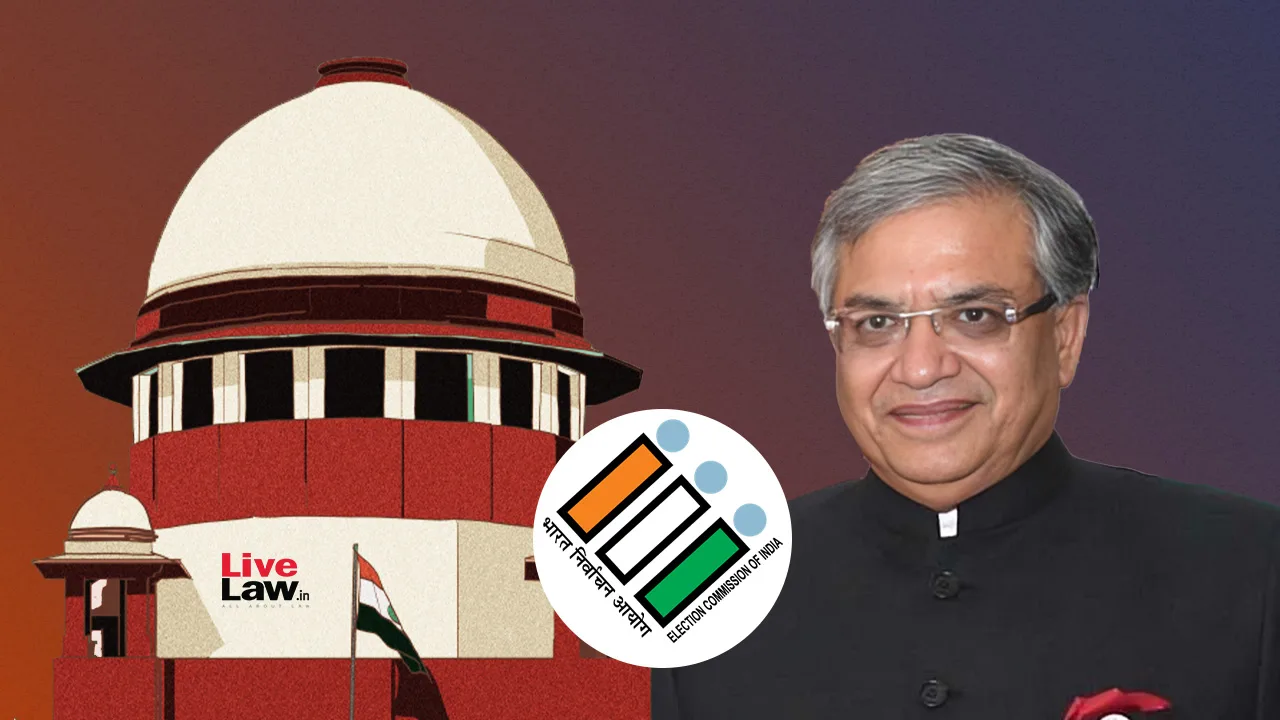
The Supreme Court has adjourned the hearing on petitions questioning the Election Commission's unilateral decisions.
Petitioners have been granted ten days to file a rejoinder to the ECI's counter-affidavit.
The next hearing is scheduled for November 17, where key issues regarding the decision-making process will be examined.
The Supreme Court of India has adjourned the hearing of multiple petitions challenging the actions of the Election Commission of India (ECI), particularly those made by Chief Election Commissioner Gyanesh Kumar. The bench, led by Chief Justice Surya Kant, has set the next hearing for November 17, allowing petitioners ten days to submit their responses to the ECI's counter-affidavit filed recently.
The petitions arise from allegations that several critical decisions regarding the Special Intensive Revision (SIR) of electoral rolls were made without the agreement of the other two Election Commissioners. During the hearing, Senior Advocate Abhishek Manu Singhvi, representing opposition leaders, emphasized the importance of preserving internal communications to determine whether the decisions were made unanimously or unilaterally. The Chief Justice assured that the court would thoroughly examine the matter.
In the arguments presented, Senior Advocate Dr. Menaka Guruswamy highlighted that the ECI's affidavit supported the petitioners' claims, alleging that the Commission had manipulated Form 6 and misrepresented the Supreme Court's approval. Conversely, Senior Advocate Dr. Maninder Singh, representing the ECI, dismissed these claims as mere rhetoric. The bench's decision to adjourn came after a request from Senior Advocate Vikas Singh for additional time to prepare a rejoinder.
The implications of this case are significant for the electoral process in India, as the petitions question the legitimacy of the ECI's decision-making framework. The petitioners, including prominent political figures and organizations, are concerned about the adherence to constitutional and statutory procedures in the Commission's operations. The outcome of this case could impact public confidence in the electoral system and the protection of voting rights.
Looking ahead, the Supreme Court's upcoming hearing on November 17 will be crucial in determining the future of the ECI's practices. The court's examination of the decision-making process will be pivotal in addressing the allegations of unilateral actions by the Chief Election Commissioner and ensuring compliance with legal standards governing the electoral body.