Spain's Snap Election: Housing and Immigration at the Forefront
As Spain votes in a crucial snap election, housing and immigration issues dominate the political landscape, impacting Prime Minister Sanchez's future.
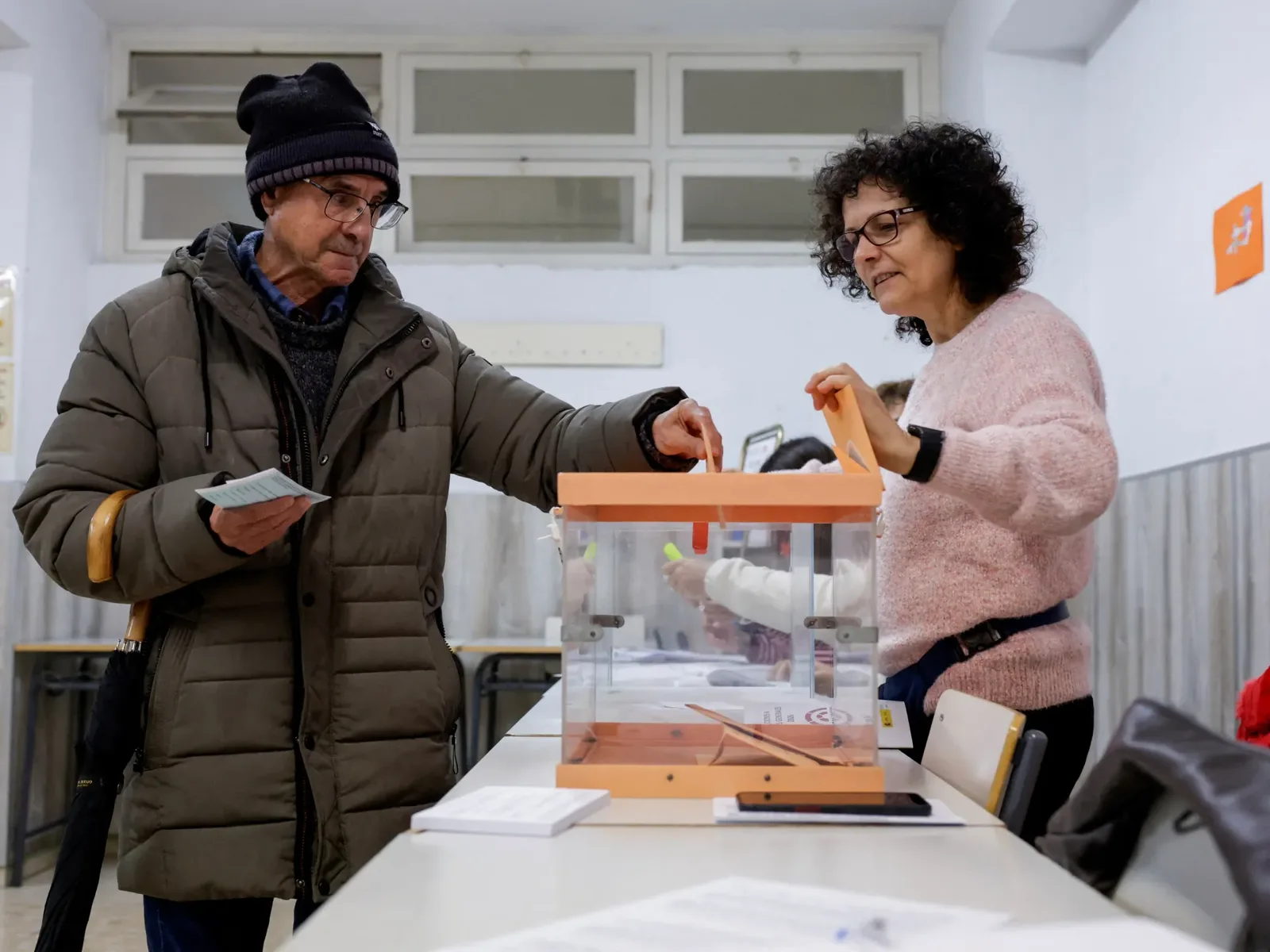
Voters in Spain are participating in a snap election that could shift power from the socialist government to a conservative coalition.
Polling indicates a potential coalition between the conservative People's Party and the far-right Vox party may secure a majority.
High voter turnout is anticipated, with issues of housing affordability and immigration policies central to the electoral debate.
Voters across Spain are casting their ballots in a pivotal snap election that may determine the fate of Prime Minister Pedro Sanchez's socialist-led government. The polls opened at 9 AM local time and are set to close at 8 PM. Provisional results are expected shortly after the polls close, with a clearer picture anticipated before midnight.
The backdrop to this election includes a series of challenges faced by Sanchez's administration, particularly concerning housing and immigration. Recent events, such as the eviction of an elderly woman due to unaffordable rent, have sparked widespread protests and highlighted the ongoing housing crisis in Spain. This incident, among others, has intensified public scrutiny of the government's effectiveness in addressing these pressing issues.
Pre-election surveys suggest that the conservative People's Party (PP) is likely to secure the most seats, but may need the support of the far-right Vox party to achieve an outright majority in the Congress of Deputies. Analysts predict that a coalition between these two parties could pave the way for PP leader Alberto Nunez Feijoo to assume power, potentially through a minority government backed by Vox.
Immigration has emerged as another critical topic in this election, particularly for Vox, which has gained traction by opposing Sanchez's immigration policies. The party's leader, Santiago Abascal, has focused on calls to reverse mass regularization efforts and to implement stricter measures on migrants. This message resonates with many voters who express concerns about the strain on public services and the perceived benefits afforded to migrants.
Looking ahead, the results of this election could significantly reshape Spain's political landscape. With high voter turnout projected, the implications of the election extend beyond party lines, affecting public policy on housing and immigration. As provisional results begin to emerge, all eyes will be on how the electorate responds to the pressing issues that have dominated the campaign.