Southern Transitional Council Mobilizes Amid Houthi Threat to Aden
The Southern Transitional Council seeks to bolster its influence in response to Houthi advances towards Yemen's temporary capital, Aden.
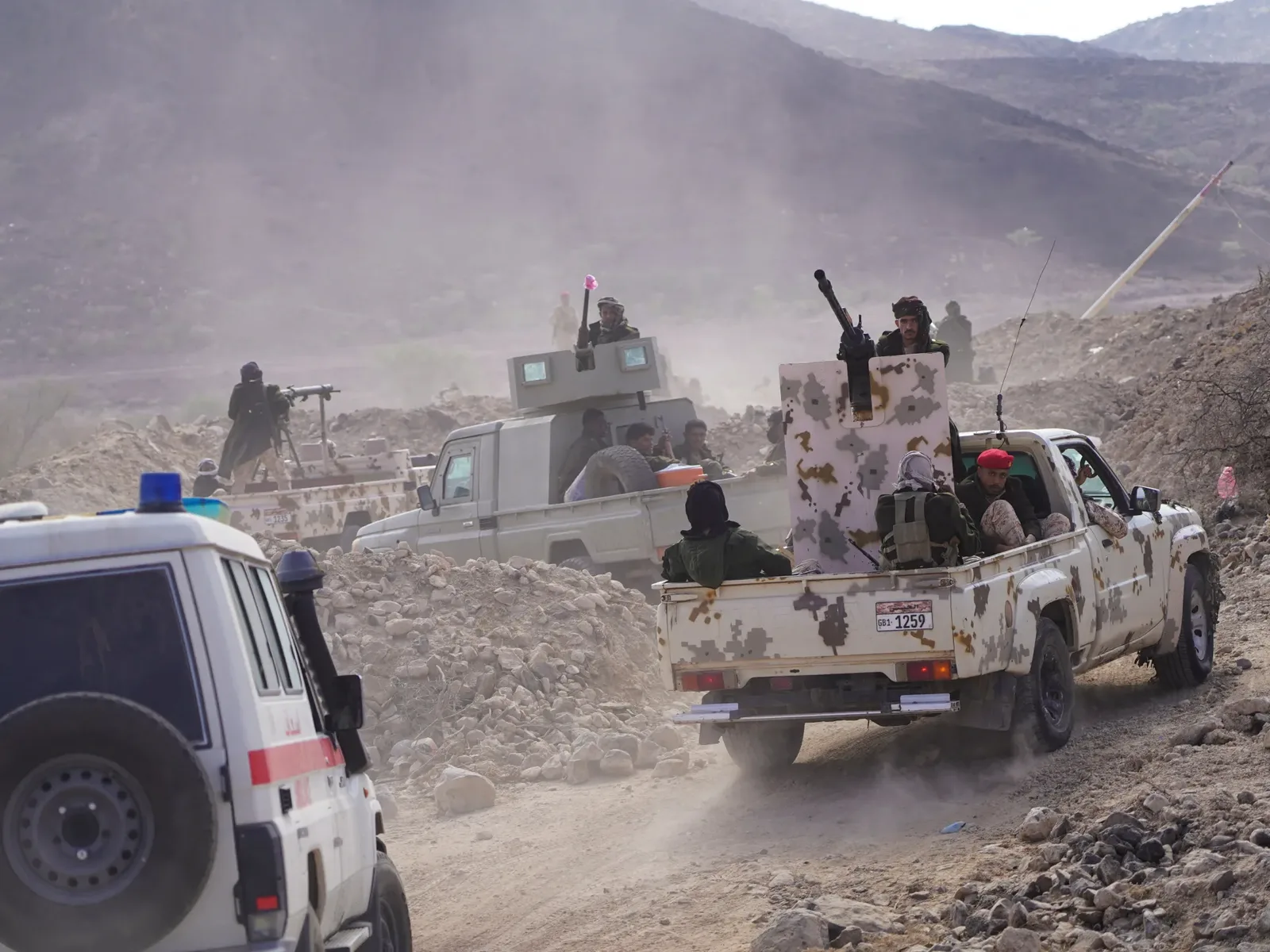
The Southern Transitional Council aims for greater autonomy in defending Aden against Houthi forces.
Recent military gains by the Houthis have prompted a resurgence of southern separatist movements.
Political divisions within the STC may hinder its effectiveness against the Houthi offensive.
The Southern Transitional Council (STC) is stepping up its efforts to defend Aden, Yemen's temporary capital, as Houthi forces advance closer to the city. Analysts suggest that the recent military gains by the Houthis have increased the STC's importance as a key player in the region. The STC, which has aspirations for an independent southern Yemen, is believed to have backing from the United Arab Emirates and is mobilizing its forces in response to the perceived threat from the Houthis.
Historically, the STC has faced challenges, including a recent announcement of its disbandment earlier this year, which was met with resistance from its senior members who deemed it invalid. The group had been weakened following a Saudi-backed military campaign against it. However, the withdrawal of Yemeni government forces from strategic positions along the Red Sea coast has created an opportunity for the STC to regain influence and assert its role in the defense of southern Yemen.
With the Houthis now approximately 60 kilometers from Aden, STC factions have intensified their military preparations. Amr al-Bidh, a representative for the STC president, attributed the collapse of government forces to decisions made in Riyadh, emphasizing that the STC requires autonomy on the battlefield to effectively counter the Houthi advance. He stated, "No front can be held for long when the people defending it have no say in how it is defended."
The implications of the STC's resurgence could be significant for the broader political landscape in Yemen. As the STC seeks to assert its authority, it faces internal divisions and a reliance on Saudi financial support. Experts warn that without this backing, the STC may struggle to repel the Houthi forces, which have demonstrated considerable military capabilities. The relationship between the STC and the Yemeni government remains complex, marked by both collaboration against the Houthis and conflicts over control in southern Yemen.
Looking ahead, the STC's ability to mobilize effectively will be crucial in the face of ongoing Houthi offensives. The recent appointment of General Fayyad al-Ruwaili as the commander of Saudi forces fighting the Houthis may centralize decision-making and enhance military coordination. As tensions escalate, the STC's future actions will be closely monitored, particularly regarding its quest for autonomy and the potential for a political solution that addresses the aspirations of the southern population.