Senate Approves Energy Permitting Reform Bill with 62-33 Vote
The Senate has passed a significant bill aimed at expediting the approval of energy projects, with a vote of 62-33.
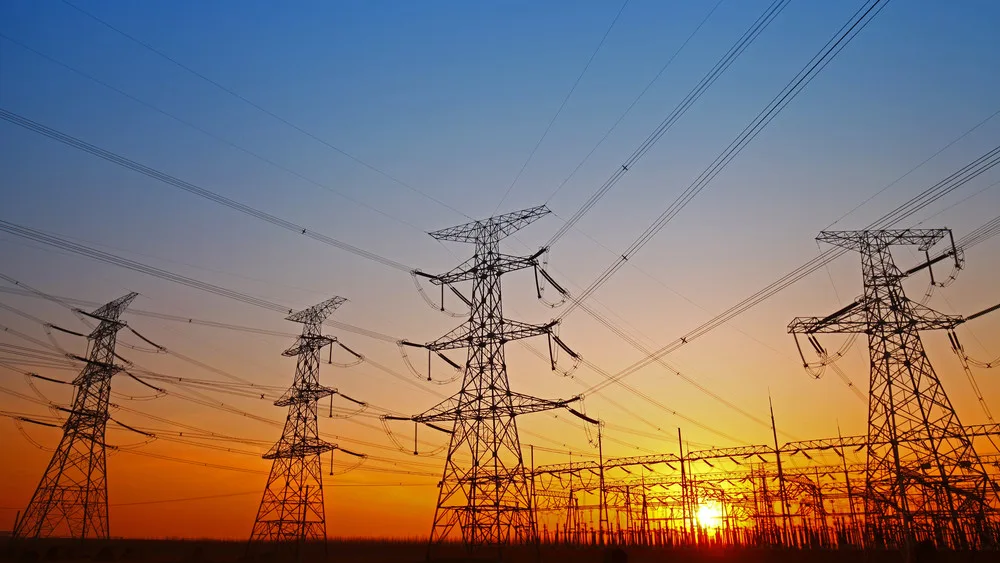
The Bipartisan American Affordability and Jobs Bill aims to speed up energy project approvals.
The bill received support from 62 senators, including 14 Democrats.
Concerns remain regarding potential impacts on environmental regulations.
In a decisive move, the U.S. Senate has approved the Bipartisan American Affordability and Jobs Bill, which seeks to streamline the permitting process for large-scale energy initiatives. The bill, which passed with a vote of 62-33, is designed to facilitate the development of new power plants, grid enhancements, and data centers across the nation.
The support for the bill was largely bipartisan, with the majority of Republican senators backing it, alongside 14 Democrats and one independent senator. This legislative action comes as the Senate prepares to send the bill to the House of Representatives. Notably, the new Democratic majority will not assume office until January 2027, raising concerns among some Democrats who opposed the bill due to fears of weakened environmental protections.
Senator Shelley Moore Capito, a co-author of the bill, expressed optimism following the vote, stating that the passage represented a significant step toward addressing the affordability issues faced by American citizens. The bill aims to accelerate the approval of various energy projects, including traditional fossil fuel initiatives and renewable energy sources like wind and solar.
Despite the bill's broad support, many Democrats in Congress have voiced apprehensions regarding its implications for existing environmental regulations. Senator Jeff Merkley of Oregon highlighted the fundamental questions surrounding the bill's impact on the nation's environmental responsibilities. He noted that while the bill could potentially boost renewable energy projects, there is skepticism about the current administration's commitment to supporting such initiatives over fossil fuel projects.
Looking ahead, the future of the bill in the House remains uncertain, particularly given the concerns raised by some lawmakers regarding its environmental implications. As discussions continue, stakeholders will be closely monitoring the developments surrounding this significant piece of legislation, which could reshape the energy landscape in the United States.