Security Talks in Tehran: Officials from Saudi Arabia, Pakistan, Turkey Arrive
High-ranking officials from Saudi Arabia, Pakistan, and Turkey are convening in Tehran to discuss regional security and defense collaboration.
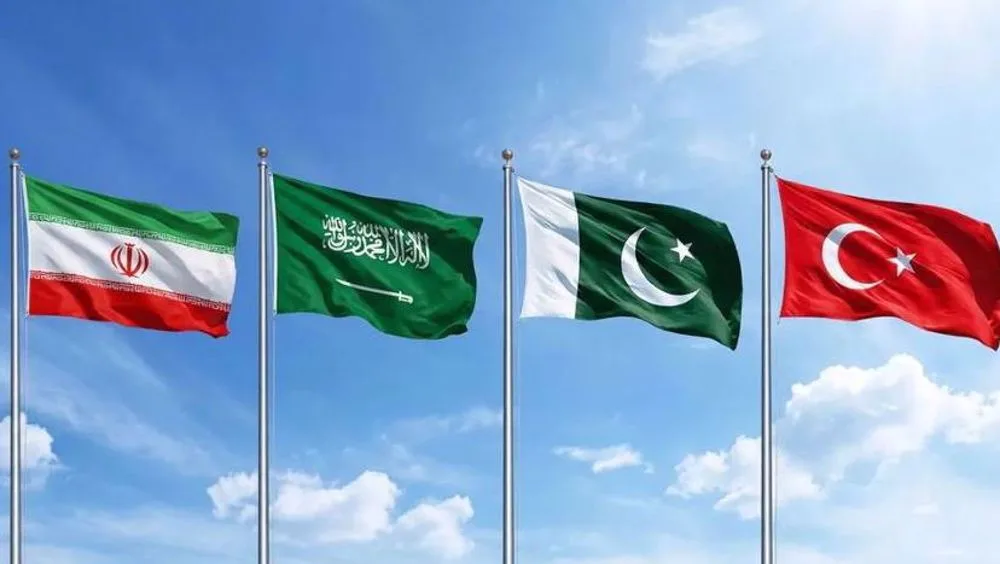
Top officials from three nations are meeting in Tehran on Monday.
The discussions focus on enhancing regional security and leveraging Iran's defense experiences.
Iran emphasizes the importance of self-reliance in security and opposes foreign interference.
In a significant diplomatic move, senior officials from Saudi Arabia, Pakistan, and Turkey are set to arrive in Tehran for a crucial meeting aimed at bolstering regional security. This joint session is scheduled for Monday and will include discussions on leveraging Iran's defense expertise, as stated by Ali Bagheri Kani, Deputy Secretary of Iran’s Supreme National Security Council (SNSC).
The meeting will feature prominent figures such as Saudi Defense Minister Prince Khalid bin Salman, Pakistan's Army Chief Field Marshal Asim Munir, and Turkey's National Intelligence Organization Director Ibrahim Kalin. Bagheri Kani highlighted that the collaboration aims to foster a framework for security that is rooted in the capabilities of regional nations, particularly drawing from Iran's experiences during the recent conflict with the US and Israel.
During the session, the Iranian official reiterated that Iran's defense model, which is based on indigenous capabilities, has proven effective in ensuring national security. He emphasized that regional countries must take charge of their own security, dismissing any foreign interference, particularly from the US and Israel, as detrimental to stability in the region. The Iranian leadership views this meeting as a pivotal step toward establishing a cohesive security strategy among the involved nations.
The backdrop of this meeting is significant, as it follows a 40-day conflict that began on February 28, where Iranian forces engaged in retaliatory actions against US and Israeli targets. This conflict concluded with a ceasefire formalized in June, which underscored the resilience of Iran's military capabilities. The Iranian government has since maintained a strong position in the Strait of Hormuz, a critical maritime route.
Looking forward, the Iranian Foreign Ministry has expressed readiness for various diplomatic scenarios, despite ongoing tensions with the US. The outcome of the Tehran meeting could set the stage for future collaborations among these nations, potentially leading to a more stable and secure West Asia. The discussions will likely focus on solidifying mutual defense strategies and addressing the implications of external pressures on regional security dynamics.