Saudi Arabia's Renewed Engagement in Yemen Conflict Amidst Mistakes
A series of strategic miscalculations has led Saudi Arabia back into the Yemen war, jeopardizing its future plans.
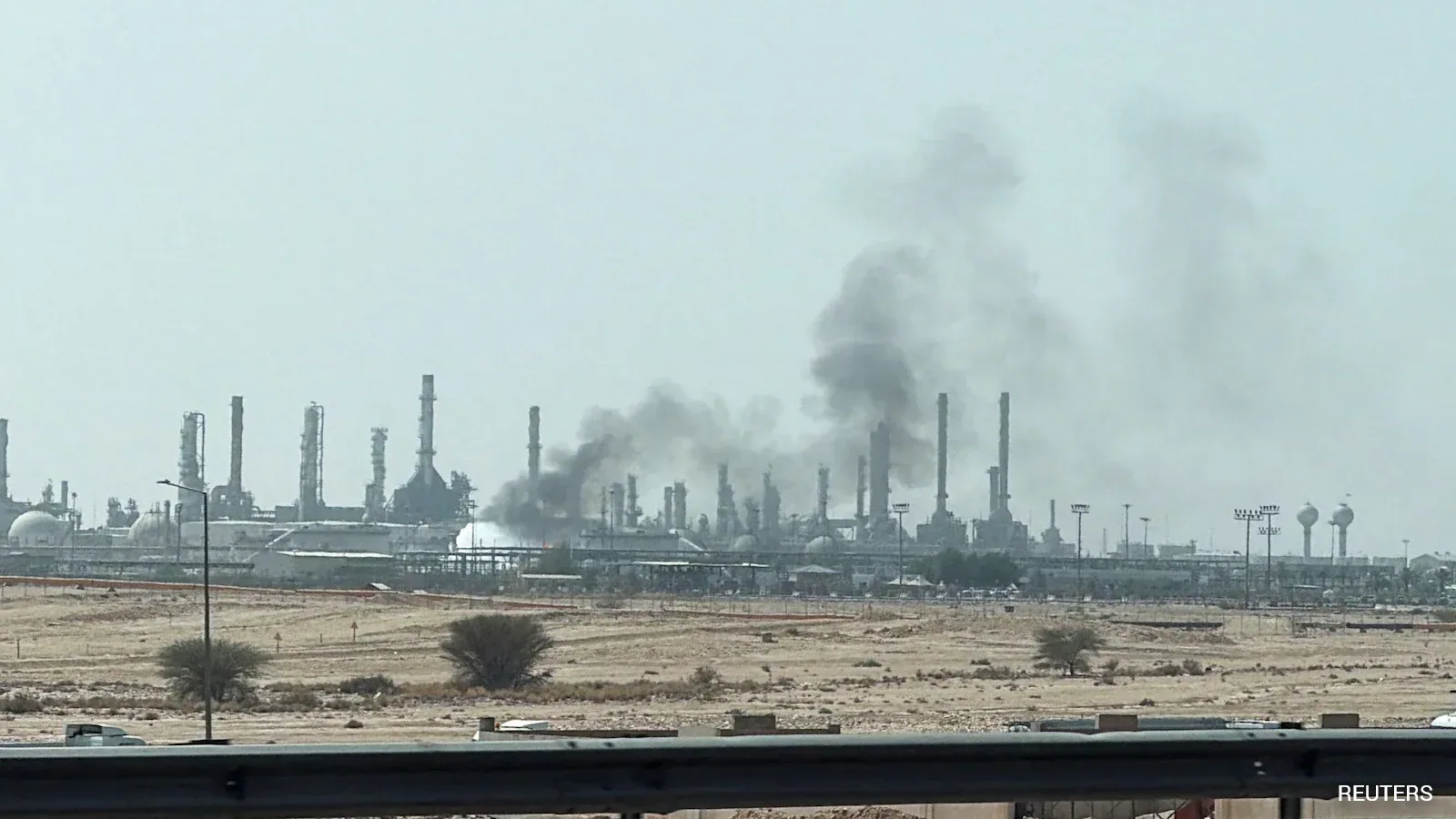
Saudi Arabia's involvement in Yemen has escalated after a fallout with the UAE and renewed Houthi attacks.
Crown Prince Mohammed bin Salman’s vision for modernization is threatened by ongoing conflict.
The US's perceived decline in military support has prompted Saudi Arabia to seek alliances with other nations.
Saudi Arabia has re-entered the Yemen conflict after years of attempting to stabilize the situation, primarily due to a series of strategic errors. The kingdom's renewed military engagement follows a breakdown in relations with the UAE, inadequate preparation for Houthi offensives, and uncertainty regarding American military support. Recent missile and drone attacks from Yemen have targeted Saudi cities and oil facilities, raising alarms about the kingdom's security and economic ambitions.
The backdrop of this renewed conflict is rooted in Saudi Arabia's long-standing involvement in Yemen's civil war, which has persisted for over a decade. Initially, the kingdom aimed to combat the Houthi rebels but later sought to negotiate peace. However, tensions escalated after Saudi airstrikes targeted UAE-supplied military vehicles intended for the Southern Transitional Council (STC), a group advocating for southern Yemen's independence. This incident strained the partnership between Saudi Arabia and the UAE, leading to the latter's withdrawal of forces and leaving Saudi Arabia to navigate the conflict independently.
The situation deteriorated further when the Houthis resumed hostilities, coinciding with heightened tensions between the US and Iran. Following the assassination of Iranian Supreme Leader Ayatollah Ali Khamenei, the Houthis, who had previously agreed to a ceasefire, launched new attacks on Saudi territory. The escalation was triggered by Iran's transport of Houthi leaders to Tehran for Khamenei's funeral, which violated Saudi airspace restrictions. In retaliation, Saudi Arabia targeted Houthi-controlled airports, prompting the Houthis to end their truce and impose a blockade on Saudi maritime routes.
The implications of this renewed conflict extend beyond immediate military concerns. The ongoing war threatens Crown Prince Mohammed bin Salman’s ambitious plans to transform Saudi Arabia into a global hub for tourism and investment. Major events, including concerts and film festivals, have been canceled, and the kingdom's economic stability is at risk. Additionally, the perceived decline in US support has led Saudi Arabia to seek new alliances, including defense agreements with countries like France and Britain, and collaborative efforts with Turkey and Pakistan under the Mecca Joint Defence Agreement.
Looking ahead, Saudi Arabia faces the challenge of consolidating its military strategy and addressing internal disputes among allied factions in Yemen. Experts emphasize the need for unified command and coordination among various groups to maintain territorial gains and ensure stability. As the kingdom navigates this complex landscape, its future actions will be crucial in determining the trajectory of both its domestic ambitions and the broader regional dynamics.