Protests in New Delhi Demand Resignation of Election Chief Gyanesh Kumar
Opposition supporters march to the Supreme Court, calling for the resignation of India's election chief amid concerns over voter roll revisions.
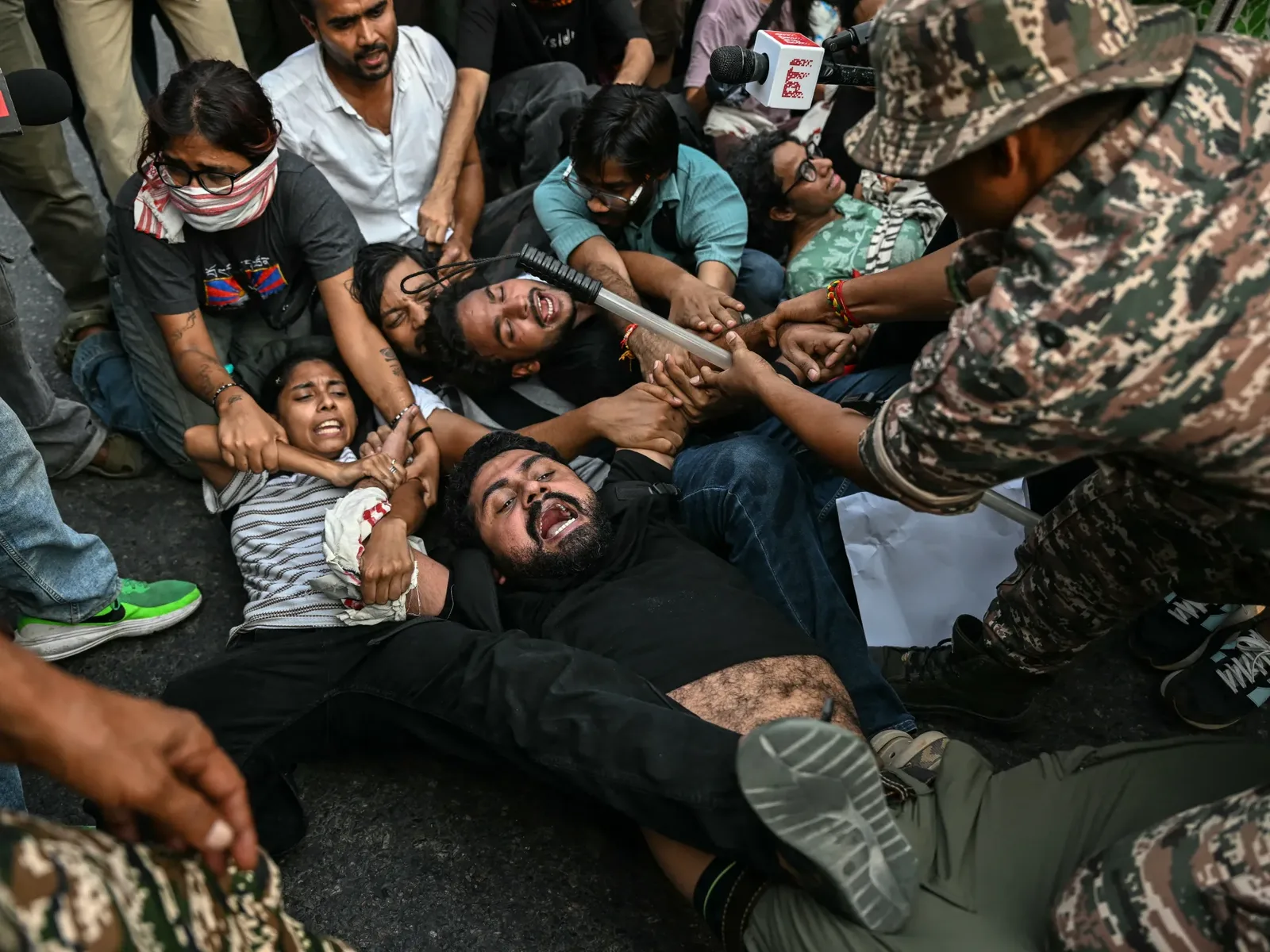
Protests in New Delhi involve hundreds of opposition supporters demanding the resignation of Chief Election Commissioner Gyanesh Kumar.
The Election Commission faces accusations of bias in voter roll revisions that critics claim favor the ruling BJP.
Police have detained thousands of protesters, raising concerns about the suppression of dissent and press freedom.
In a significant demonstration in New Delhi, hundreds of opposition supporters marched to the Supreme Court on Monday, demanding the resignation of Chief Election Commissioner Gyanesh Kumar. This protest marks the third consecutive day of heightened tensions in the capital, where thousands of police and security personnel have been deployed to manage the situation, erecting barricades and closing several metro stations in anticipation of the march.
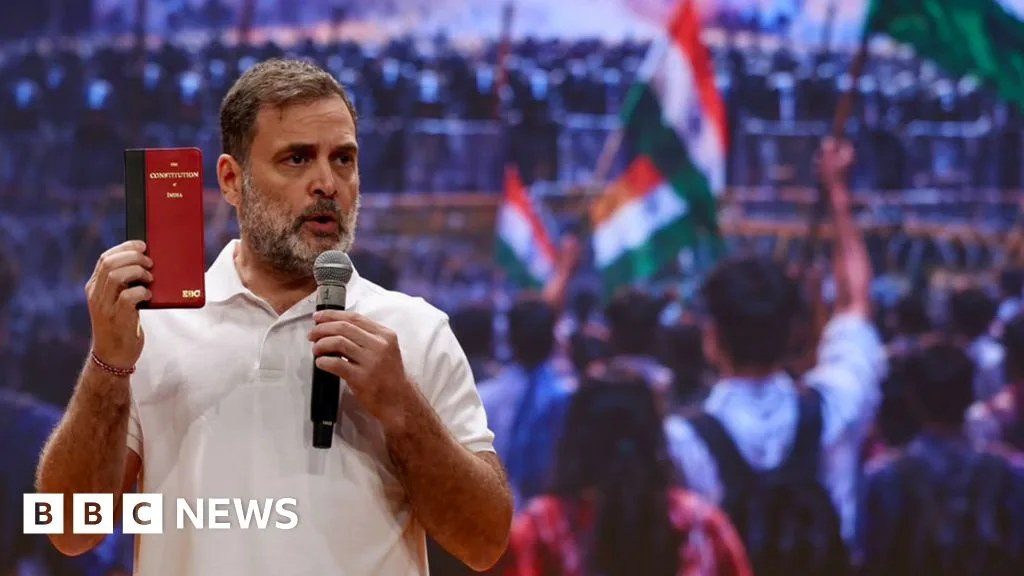
The protests are primarily fueled by discontent over recent revisions to electoral lists, which critics argue disproportionately affect minority communities and benefit Prime Minister Narendra Modi’s Bharatiya Janata Party (BJP). Opposition leader Rahul Gandhi has been vocal in rallying supporters against these changes, asserting that they undermine democratic processes. The Cockroach Janta Party (CJP), a youth movement, has also played a crucial role in mobilizing public sentiment against the electoral reforms.
Reports indicate that over the weekend, police detained thousands of protesters who attempted to demonstrate against the revisions. Opposition figures, including members of the Communist Party of India (Marxist), have accused law enforcement of excessive force during these detentions. John Brittas, a parliamentarian, described being assaulted by police while participating in the protests, emphasizing that such actions threaten democratic freedoms.
The implications of these protests extend beyond immediate political concerns, as they highlight broader issues of civil liberties and the right to dissent in India. The protests have garnered attention from international organizations, with Reporters Without Borders condemning the detention of journalists covering the events. The organization emphasized that reporting on public interest matters is a fundamental right that should be protected.
Looking ahead, the opposition has vowed to continue their protests until Gyanesh Kumar resigns. Gandhi's call to action on social media reflects a determination among opposition leaders and supporters to challenge the current government's electoral practices. As the situation evolves, the protests represent a critical moment in Indian politics, potentially reshaping the landscape ahead of upcoming elections.