Rahul Gandhi Criticizes BJP's Delimitation Bills as Threat to Democracy
Opposition leader Rahul Gandhi condemns proposed delimitation measures, warning they could undermine democratic processes in India.
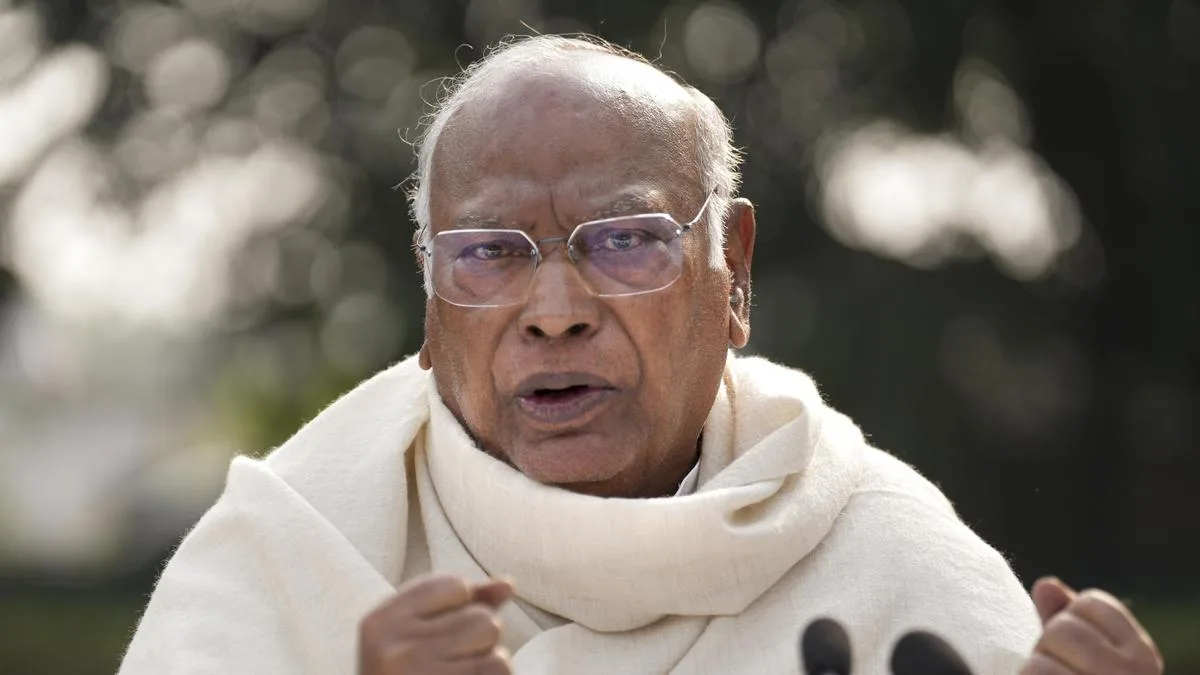
Rahul Gandhi accuses BJP of attempting to establish a dictatorship through proposed electoral changes.
The INDIA bloc formally opposes the 132nd Constitution Amendment and Delimitation Bills.
Concerns raised over representation of marginalized communities in the proposed electoral map.
On November 28, 2026, Rahul Gandhi, the Leader of the Opposition in the Lok Sabha, voiced strong opposition against the Bharatiya Janata Party (BJP) during a press conference at Congress headquarters. He accused the ruling party of steering India towards dictatorship, specifically criticizing the proposal to expand the Lok Sabha to 850 seats, which he claimed would 'murder' democracy. Gandhi argued that this delimitation exercise would provide Prime Minister Narendra Modi and other leaders a 'blank canvas' to manipulate the electoral landscape of the country.
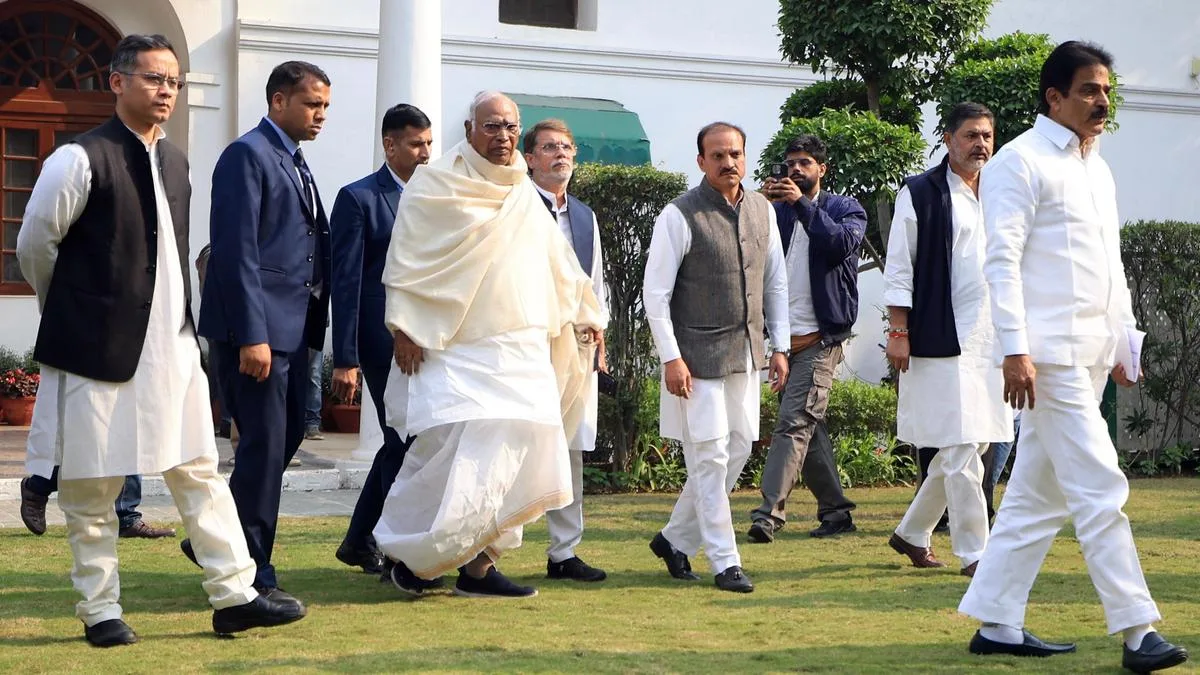
Gandhi's remarks came as the INDIA bloc, a coalition of opposition parties, declared its resistance to the 132nd Constitution (Amendment) Bill and the Delimitation (Second) Bill. These legislative measures are perceived as attempts by the BJP and the Rashtriya Swayamsevak Sangh (RSS) to consolidate power. He emphasized the importance of unity among all political factions, urging even those within the National Democratic Alliance (NDA) to join the fight for democracy.
During his address, Gandhi highlighted the potential risks of the delimitation process, particularly for marginalized communities. He pointed to past instances in Assam and Jammu and Kashmir, where electoral boundaries were redrawn in ways that disadvantaged certain groups. He warned that the proposed changes would disproportionately weaken the representation of communities opposed to the BJP, effectively targeting opposition leaders.
The implications of these proposed bills extend beyond immediate political maneuvering; they raise significant concerns regarding social justice and fair representation. Gandhi insisted that any delimitation should be based on the upcoming 2027 Census, incorporating caste data to ensure equitable representation while maintaining the Lok Sabha's current strength of 543 members. This approach, he argued, would better reflect the demographic realities of the nation.
As the Parliament prepares for a special session from November 30 to December 3, where the government aims to pass these bills, the opposition's stance remains firm. Congress President Mallikarjun Kharge echoed Gandhi's sentiments, warning that the BJP's actions could lead to a permanent alteration of the Constitution and a threat to democratic governance. The outcome of this legislative battle will be pivotal in shaping India's political landscape and the future of its democratic institutions.