Rahul Gandhi Addresses Pakistan's Role in India-Pak Relations in Chicago
During a recent event at the University of Chicago, Rahul Gandhi emphasized the need for Pakistan to cease its support for terrorism for meaningful dialogue to occur.
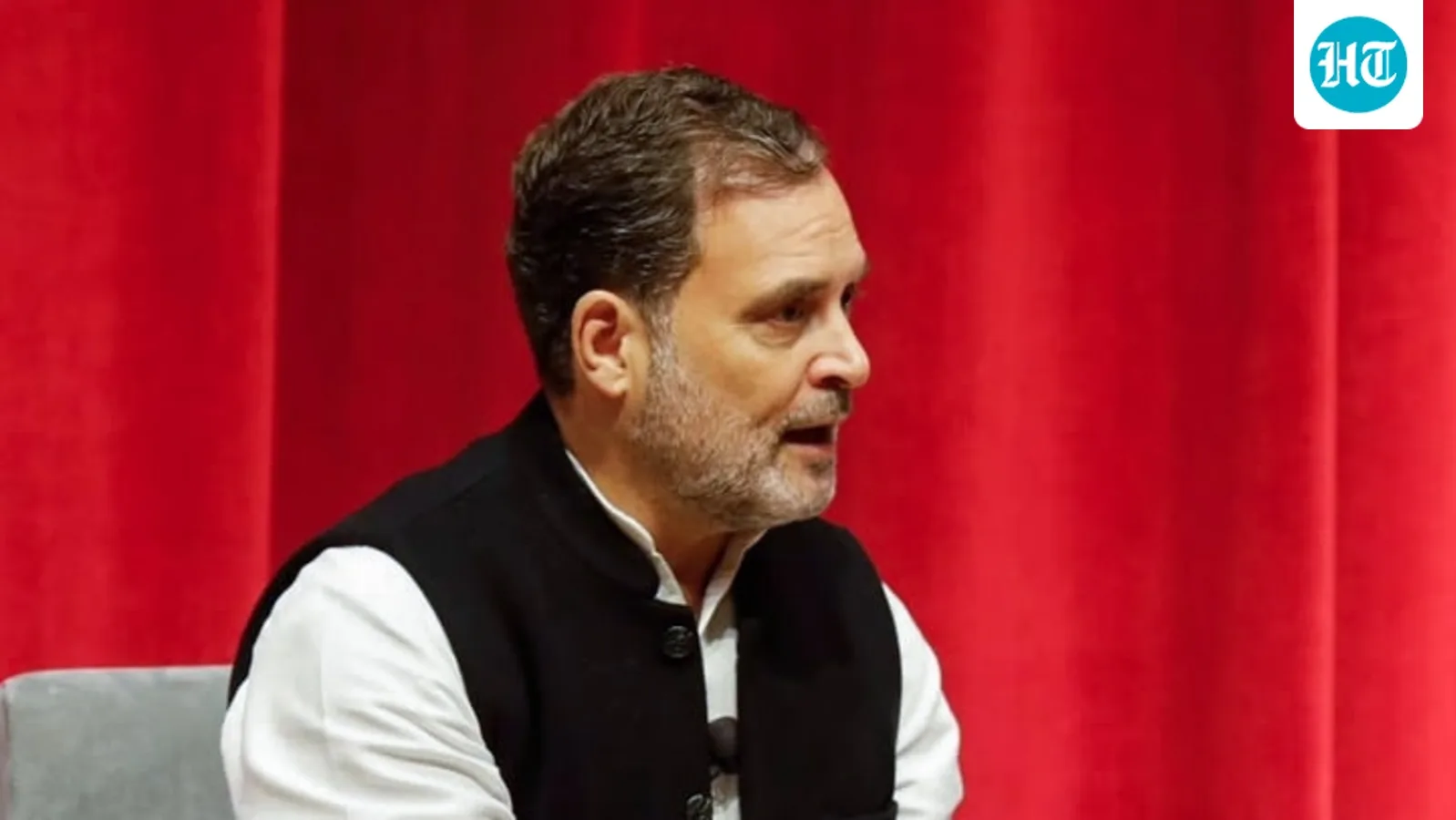
Rahul Gandhi stated that talks with Pakistan are impossible while terrorism continues.
He criticized India's current foreign policy, calling it a 'side player' in global affairs.
Gandhi urged India to reclaim its historical role in international relations.
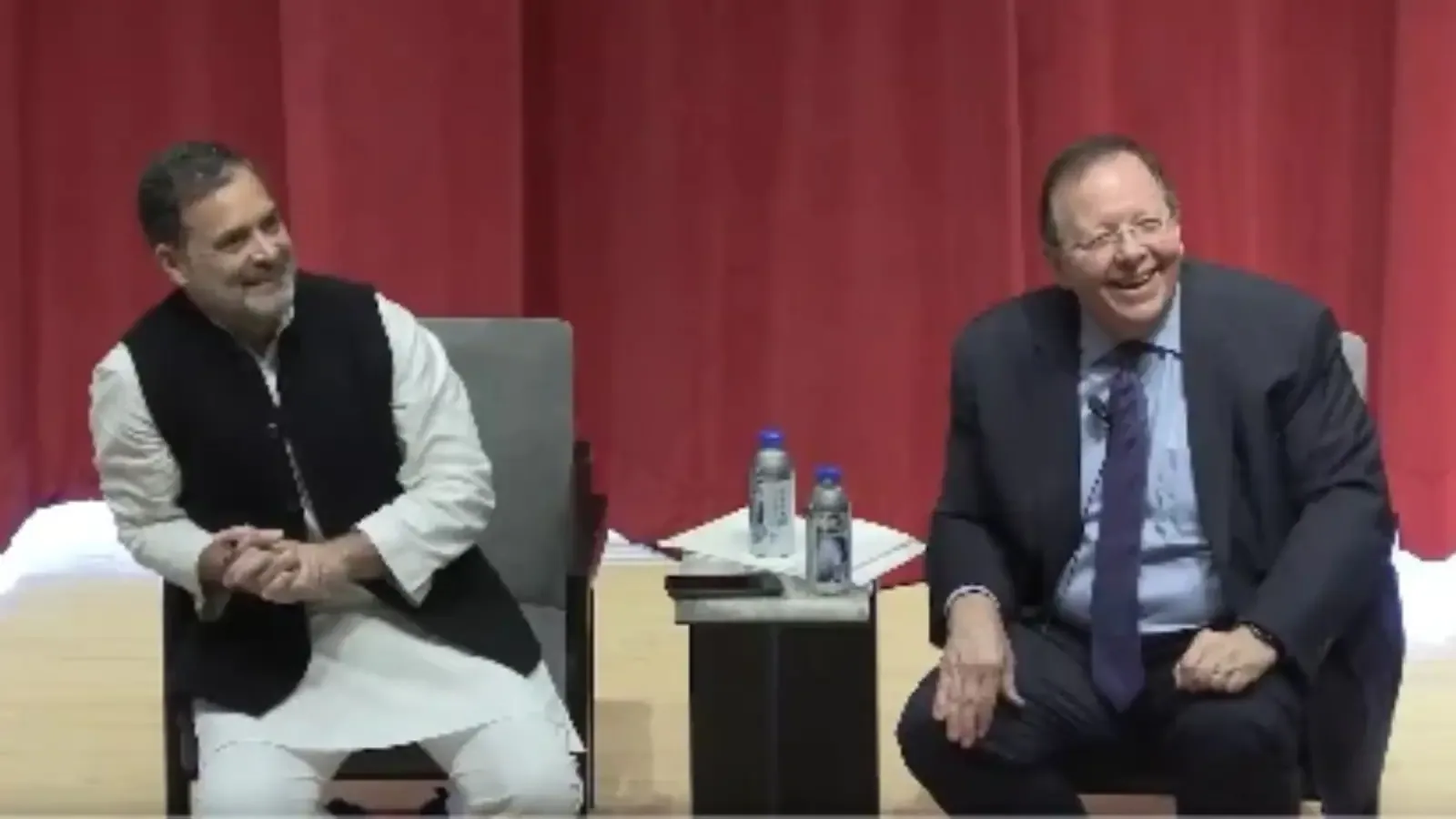
During an event at the University of Chicago, Rahul Gandhi, the Leader of the Opposition in Lok Sabha, responded to a question from a Pakistani national regarding the potential for India and Pakistan to move beyond their longstanding blame game. Gandhi asserted that meaningful dialogue between the two nations could only occur if Pakistan ceased its support for terrorism, stating, "It is impossible for us to accept our innocent people being murdered and having a conversation with Pakistan."
Gandhi's comments come amid ongoing tensions between India and Pakistan, which have been exacerbated by incidents of violence and terrorism. He highlighted that while there is room for cooperation, the fundamental issue remains Pakistan's alleged backing of terrorist activities that target India. This statement reflects a broader sentiment within Indian politics that emphasizes national security as a prerequisite for diplomatic engagement.
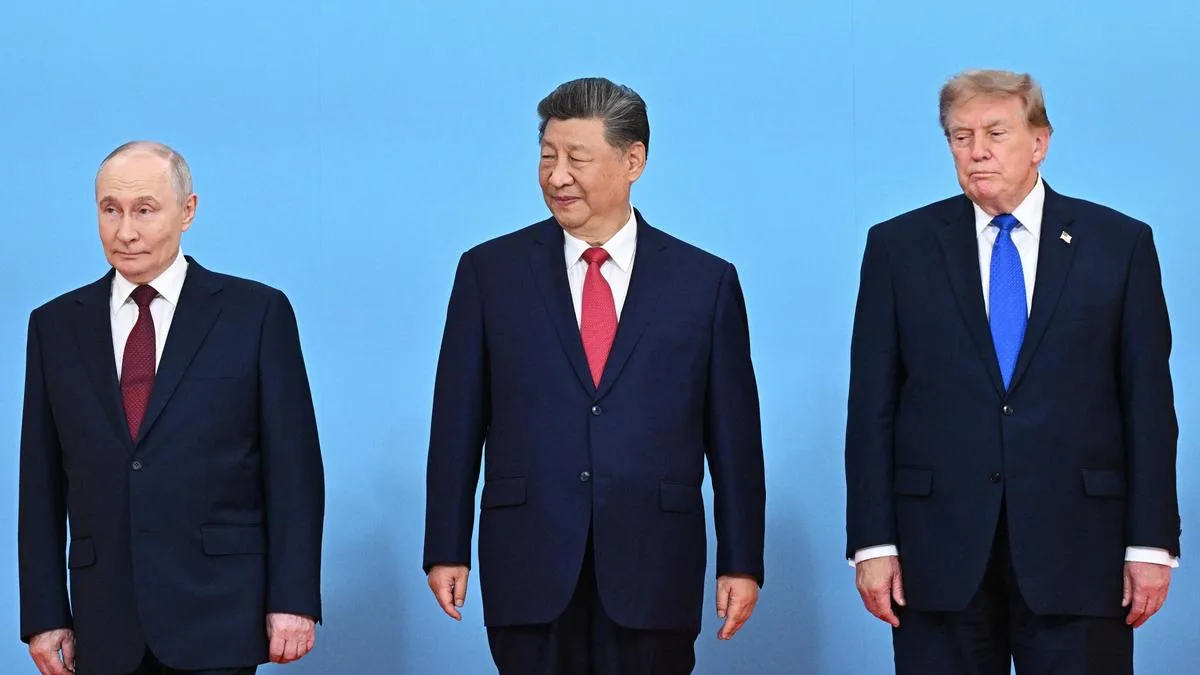
In addition to addressing the India-Pakistan relationship, Gandhi criticized the current Indian government's foreign policy, suggesting that India has diminished its influence on the global stage. He expressed concern that India has become a mere observer in significant international negotiations, particularly noting Pakistan's active role in mediating discussions between the US and Iran. Gandhi remarked, "India has become a side player in global affairs despite its size and international relationships."
The implications of Gandhi's statements extend beyond bilateral relations, touching on India's position in the international community. He called for India to reclaim its historical leadership role, particularly referencing its past influence within the Non-Aligned Movement. This perspective suggests a desire for India to engage more assertively in global conversations, particularly in light of shifting geopolitical dynamics.
Looking ahead, Gandhi's remarks may influence discussions within Indian political circles regarding foreign policy and national security. As India navigates its relationships with neighboring countries and major global powers, the call for a more proactive stance could shape future diplomatic strategies. The upcoming months will likely see continued debates on how India can enhance its role in international affairs while addressing security concerns related to terrorism and regional stability.