Protests Intensify in Delhi Over Alleged Voter Fraud Amid Modi's Defense of Democracy
As protests escalate against alleged electoral misconduct, Prime Minister Modi emphasizes India's democratic values while dissent grows.
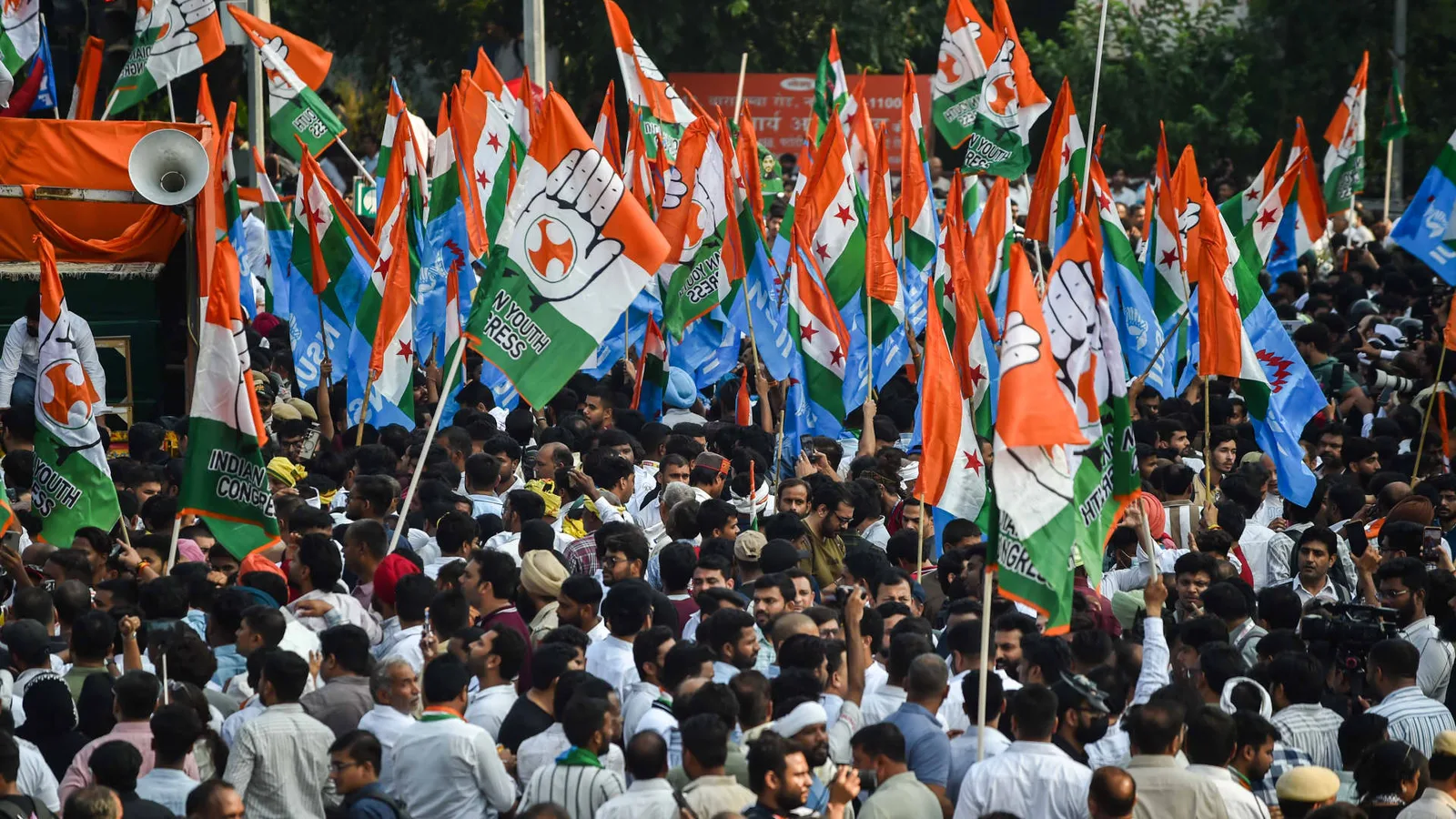
Protests demanding the resignation of Chief Election Commissioner Gyanesh Kumar are intensifying in Delhi.
The Cockroach Janta Party faced detentions as they sought to protest against alleged voter list discrepancies.
Experts warn that heavy-handed government responses could exacerbate public unrest.
Prime Minister Narendra Modi defended India's status as the 'mother of democracy' during a Bloomberg New Economy event on Tuesday, coinciding with escalating protests in Delhi. Demonstrators are calling for the resignation of Chief Election Commissioner Gyanesh Kumar amid allegations of voter fraud and significant deletions from the electoral rolls.
The protests have been fueled by the Cockroach Janta Party (CJP), which has gained attention for its viral political activism. Over the weekend, several of its leaders were detained for protesting without permission. The CJP had requested authorization from the Delhi Police to hold demonstrations at the Jantar Mantar grounds but was denied access, leading to further tensions. On Monday, thousands joined opposition leaders in a march to the Supreme Court, contesting recent changes to the voter list that reportedly removed the names of 130 million individuals.
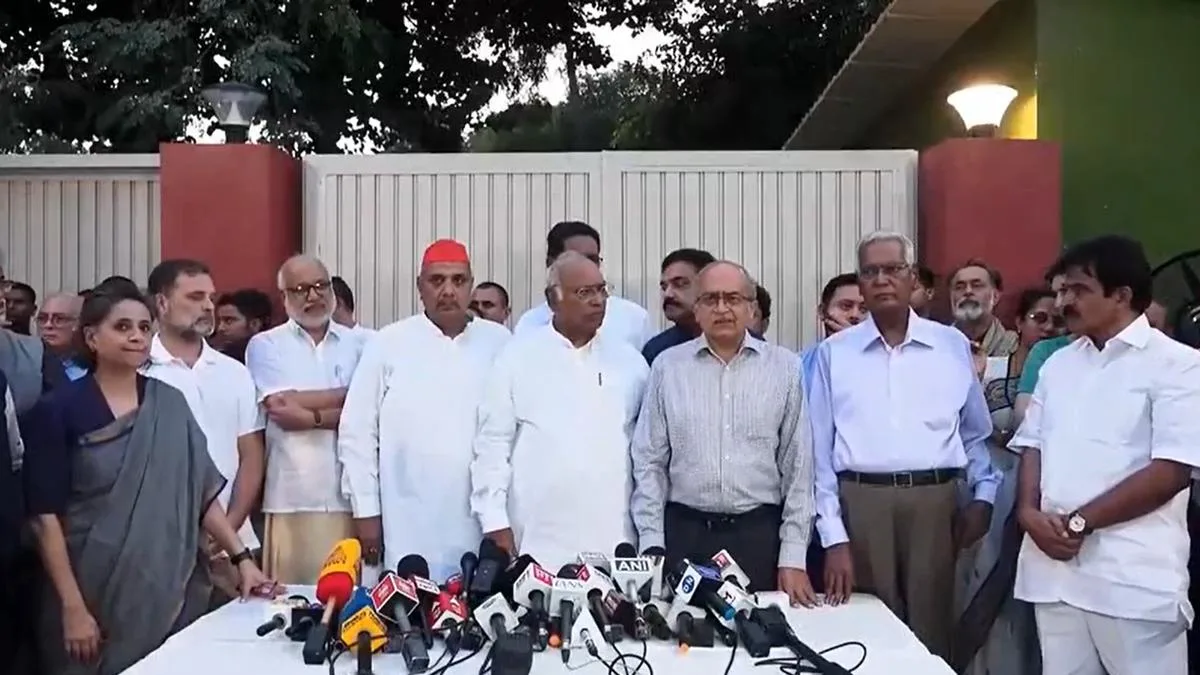
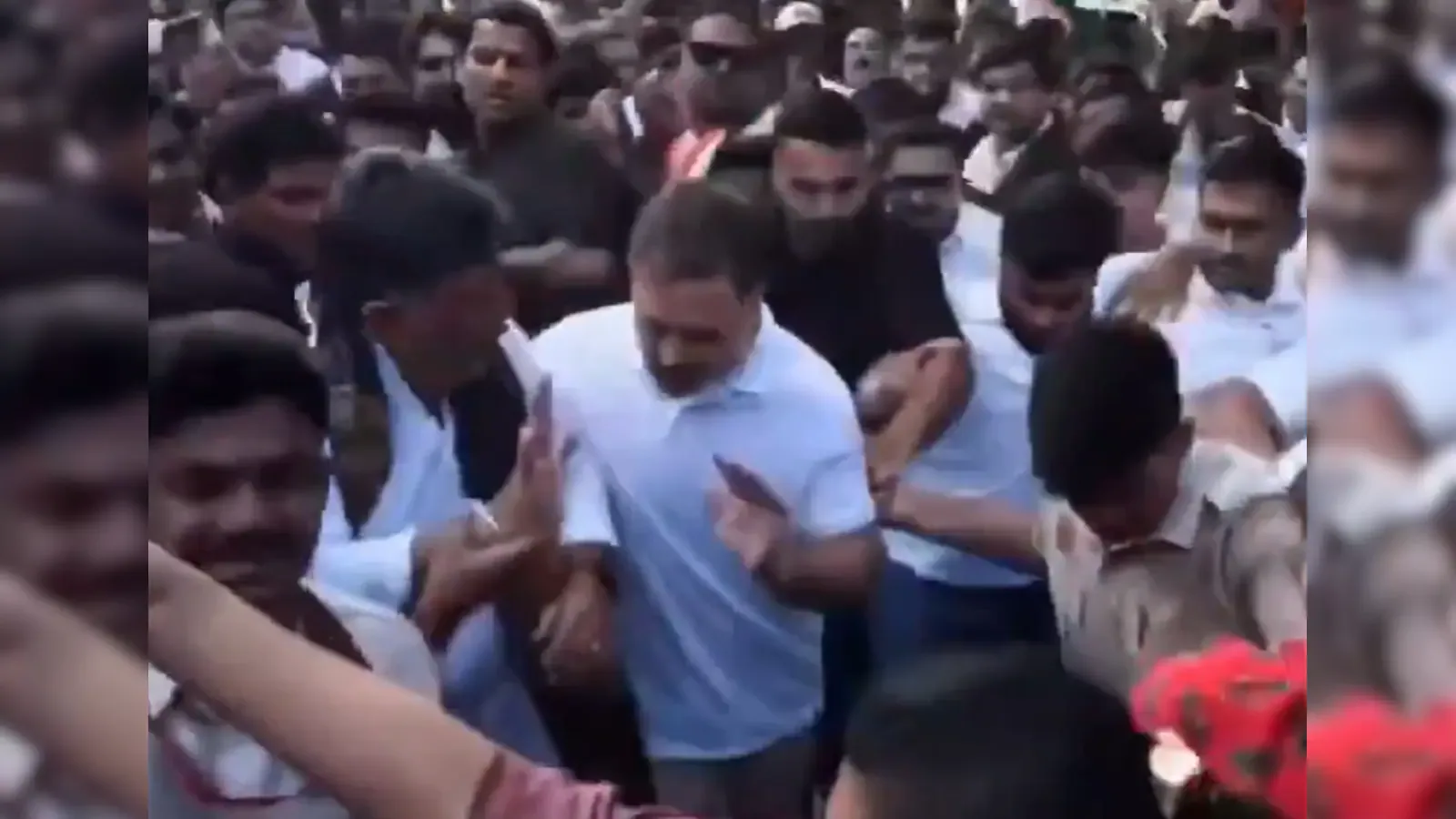
Rahul Gandhi, a prominent opposition figure, highlighted the large turnout as a sign of public defiance against government intimidation. He emphasized unity among protestors, stating, "There are no parallel protests. It's one protest, and it's a protest where everybody is standing together." Meanwhile, the Delhi police have faced criticism for their crackdown on demonstrators, which included detaining young activists, politicians, and journalists.
The implications of these protests extend beyond immediate political concerns. Experts suggest that while the current unrest does not threaten India's stability, aggressive government responses could lead to increased volatility. Michael Kugelman from the Atlantic Council noted that heavy-handed tactics could provoke larger demonstrations and unrest. The United Nations Human Rights Office has expressed concern over mass detentions and urged Indian authorities to respect the right to peaceful assembly.
Looking ahead, the CJP's call for nationwide protests on October 2 reflects ongoing dissatisfaction with the electoral process. The Election Commission of India has initiated a special drive to enroll voters omitted from the rolls, but the ruling Bharatiya Janata Party defends the deletions as necessary due to demographic changes. As the situation develops, the demand for electoral reform and accountability remains a central issue for many citizens.