Prince William's Ancestral Link to India Revealed
A remarkable discovery unveils Prince William's Indian heritage through his five-times-great-grandmother Eliza Kewark.
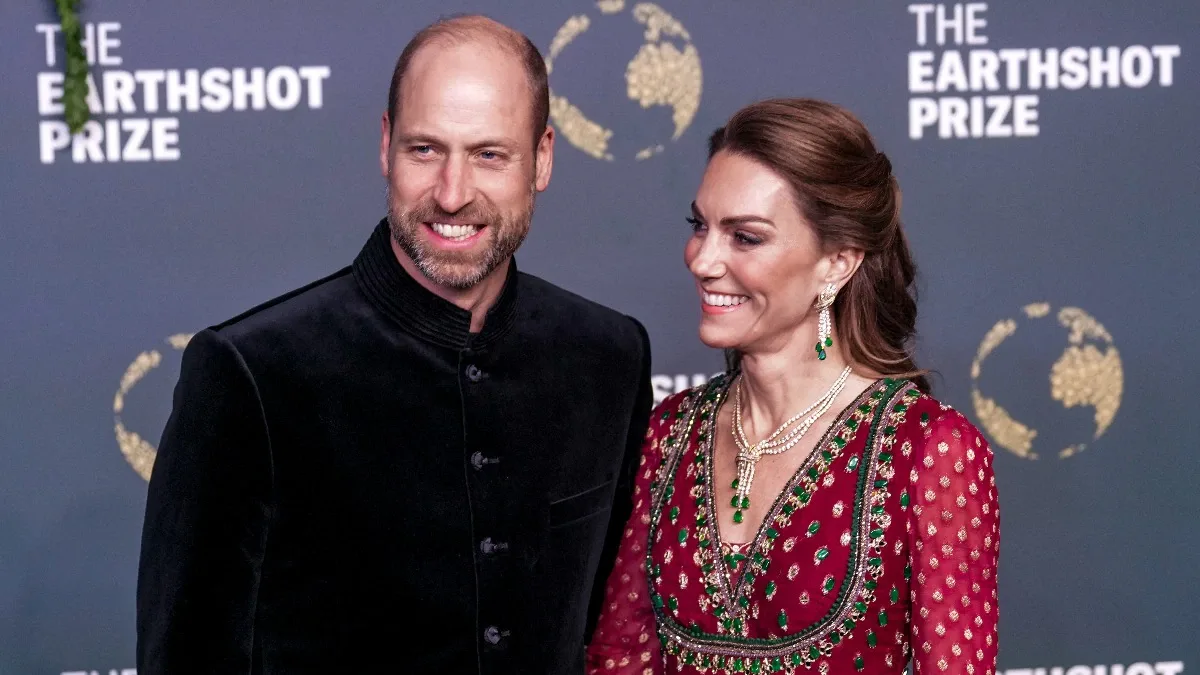
Prince William is linked to Eliza Kewark, born in 1790 to an Armenian father and Indian mother.
Genetic testing confirmed a rare mitochondrial DNA strand connecting William to South Asia.
The historical narrative highlights the complexities of colonialism and family heritage.
Recent revelations have uncovered a significant aspect of Prince William's ancestry, tracing his roots back to Eliza Kewark, who was born in 1790 to an Armenian father and an Indian mother. This connection positions Eliza as William's five-times-great-grandmother, yet the royal has never publicly acknowledged this heritage. The story of Eliza is one of resilience and societal challenges, set against the backdrop of British colonial rule in India.
Eliza Kewark's life unfolded in the Bombay Presidency, where she faced the dual challenges of racial prejudice and social stigma. Her marriage to Theodore Forbes, an East India Company official, was marked by the complexities of their differing heritages. While Armenian ancestry was somewhat accepted, Indian lineage was not, leading to Eliza being misrepresented in official records as merely a housekeeper rather than a wife. This misrepresentation reflects the broader societal attitudes of the time, which often marginalized individuals based on their ethnic backgrounds.
In 2013, a team of researchers from the University of Edinburgh, led by Dr. Jim Wilson, conducted DNA analysis on living descendants of Eliza. The findings revealed a rare mitochondrial DNA strand that links Prince William to the Indian subcontinent, a connection that has been described as "unassailable". This genetic evidence not only affirms William's Indian roots but also suggests he may be one of the first British royals with a documented lineage to India. However, due to the nature of mitochondrial DNA inheritance, William cannot pass this specific marker to his children.
The implications of this discovery extend beyond personal heritage, touching on the historical narratives of colonialism and the experiences of those left behind by British officials. Eliza's story, intertwined with the legacy of the East India Company, highlights the often-overlooked lives of women and families who were marginalized in historical accounts. As the royal family continues to navigate its public image, acknowledging this connection could serve as a powerful gesture towards reconciliation with the colonial past.
Looking ahead, the conversation surrounding Prince William's Indian ancestry raises questions about how he might choose to address this part of his heritage. As he continues his royal duties, particularly during visits to India, there may be opportunities for him to publicly embrace this aspect of his lineage. Scholars like Susan Harvard advocate for William to acknowledge his roots, suggesting that doing so would honor Eliza's legacy and the complex history that binds the British monarchy to India.