Parliament to Discuss Women's Quota Bill Amid Government Confidence
Prime Minister Modi reaffirms commitment to women's reservation as Parliament prepares for a crucial vote on the amendment bill.
A new Constitution Amendment Bill aims for a 33% women's quota in Lok Sabha and Assemblies.
The bill addresses concerns of southern states by freezing seat allocations until 2051.
Government expresses confidence in securing necessary support for the bill's passage.
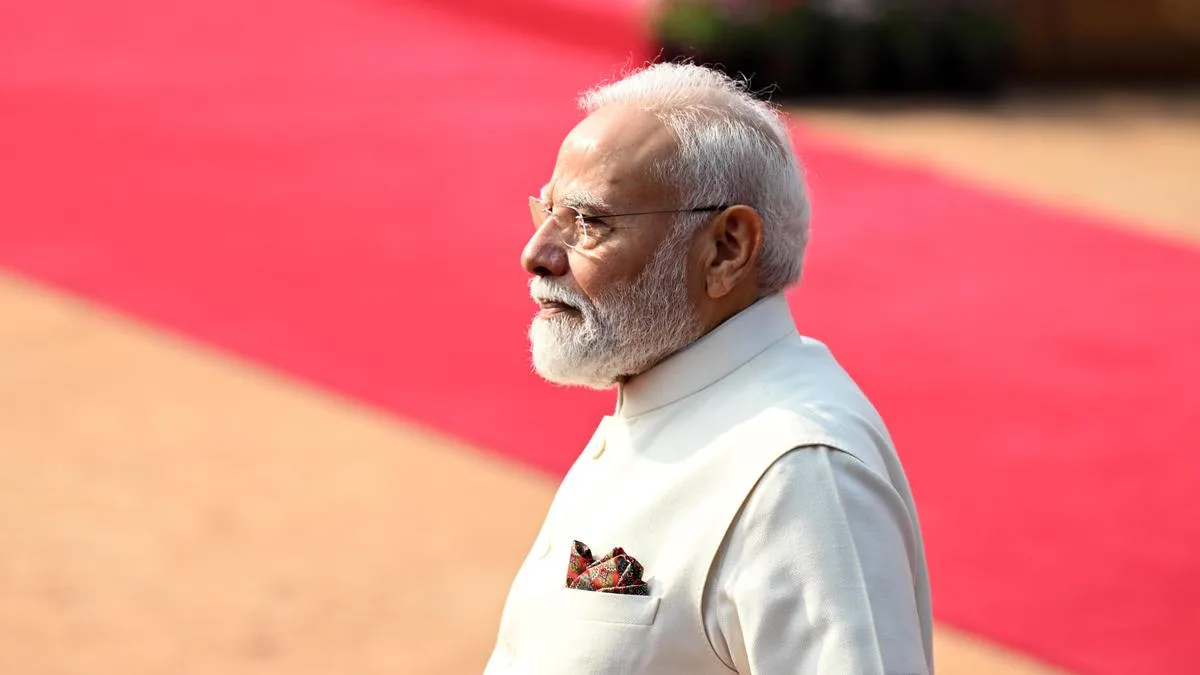
In a significant move, Prime Minister Narendra Modi has reiterated his government's commitment to women's representation just two days before Parliament is set to deliberate on a Constitution Amendment Bill. This legislation proposes a 33% reservation for women in the Lok Sabha and State Assemblies, a step that has been long awaited by advocates of gender equality.
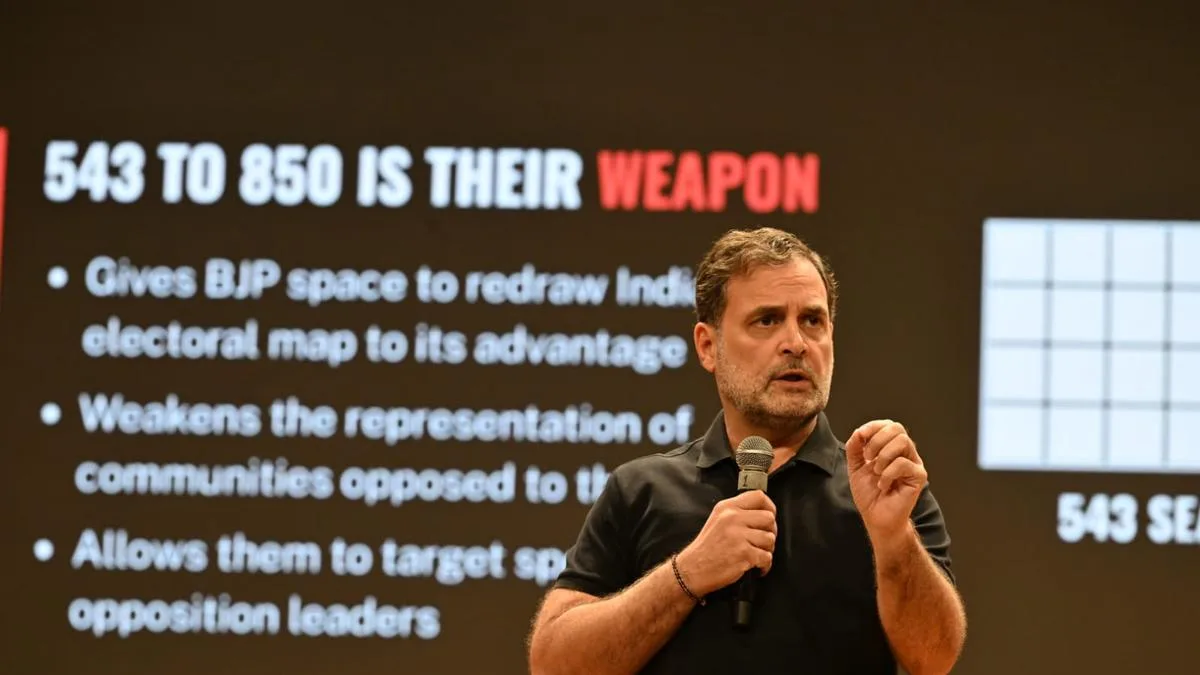
The backdrop to this legislative push is marked by a previous defeat the government faced when it attempted to pass a similar bill. In that instance, a united opposition successfully blocked the bill, citing concerns about the lack of provisions to protect the representation of southern states. This time, the government aims to address those concerns directly in the new bill, which has been approved by the Union Cabinet.
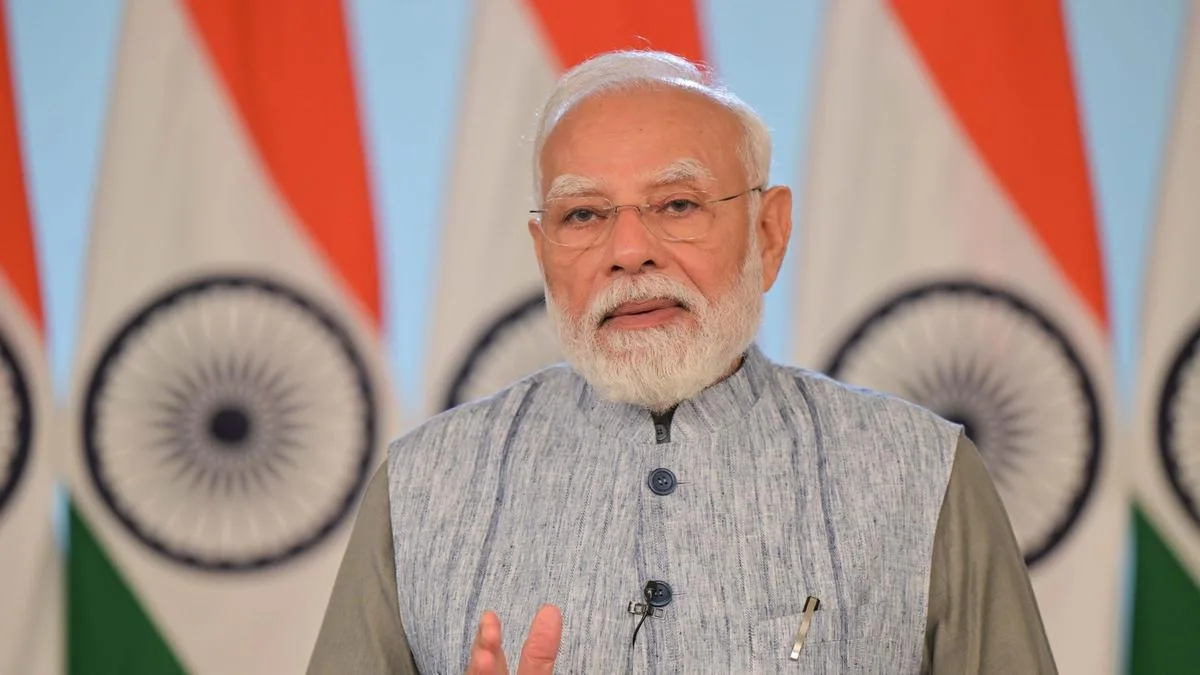
The Constitution (132nd Amendment) Bill, 2026, is designed to increase the Lok Sabha's capacity from 550 to 850 members, with a significant portion of these seats allocated to states based on the 1971 census. Additionally, it raises the maximum size of State Assemblies from 500 to 650 members. Modi, in a video reposted from his earlier address, assured that every obstacle to women's reservation would be removed, emphasizing the government's unwavering resolve to empower women.
The government is optimistic about garnering sufficient support for the bill, especially with the DMK's backing and indications of support from the NCP. They are also counting on divisions within the opposition, particularly the Trinamool Congress and Shiv Sena. A senior government official highlighted that the bill includes provisions to freeze constituency boundaries and seat allocations until 2051, which aims to alleviate fears from southern states about losing representation.
Looking ahead, the government is hopeful that the bill will receive broader support than anticipated, considering the pressing need for women's representation in governance. As discussions unfold in Parliament, the outcome of this bill could significantly impact the political landscape and women's empowerment in India.