Palestinian Elections Delayed Until September 2027
President Mahmoud Abbas has postponed the Palestinian legislative elections, originally scheduled for November 2026, to September 2027.
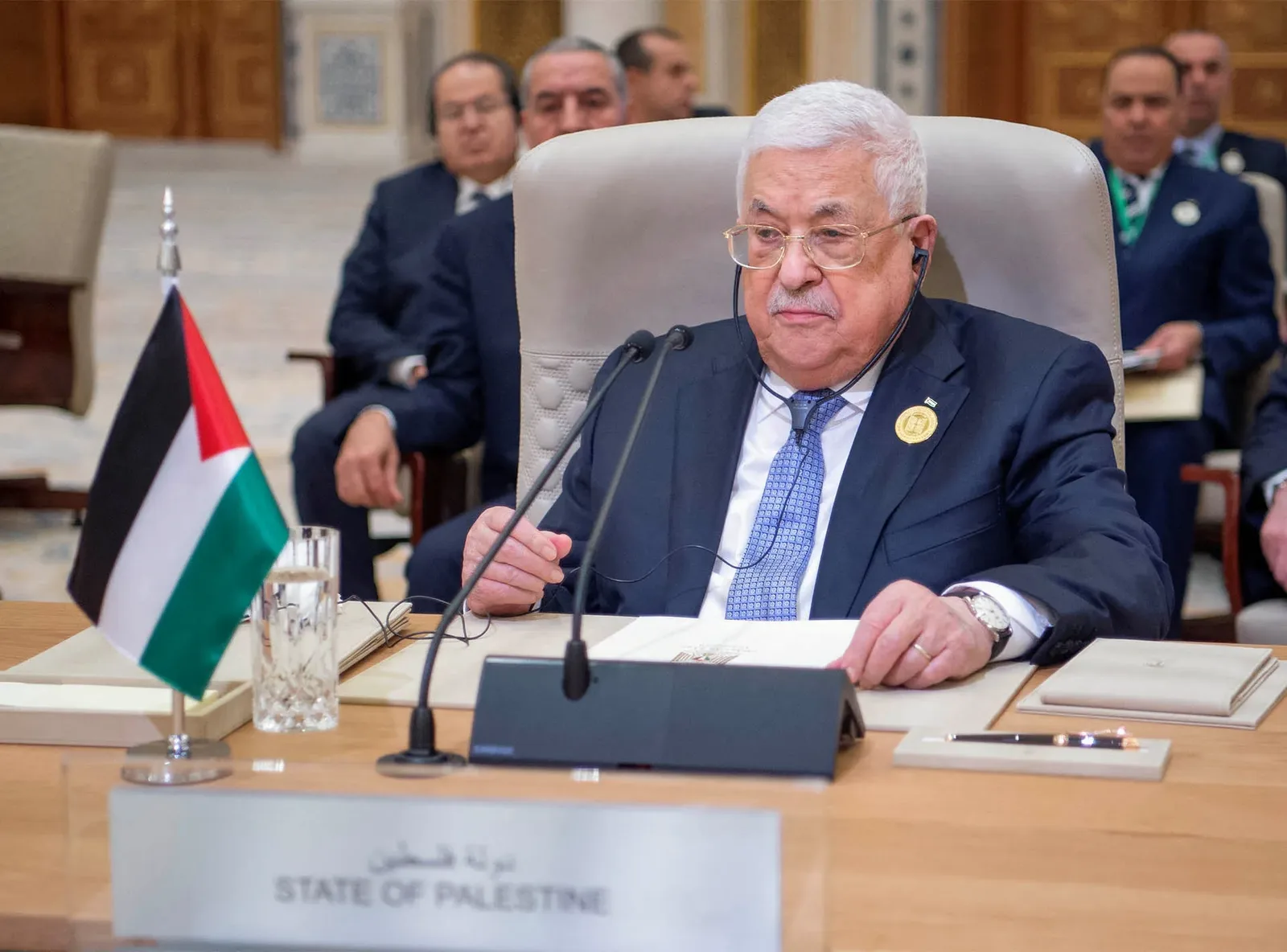
Legislative elections will now coincide with presidential elections on September 11, 2027.
The decision follows concerns over conditions in East Jerusalem, the West Bank, and Gaza.
Palestinian leaders face increasing criticism for delaying democratic processes.
In a significant political development, Palestinian President Mahmoud Abbas has announced the postponement of legislative elections that were set to take place in November 2026. This decision, made through a presidential decree, reschedules the elections to September 11, 2027, aligning them with the presidential vote. The announcement was reported by Wafa, the official Palestinian news agency, on Saturday.
This postponement marks a continuation of the electoral delays that have plagued Palestinian governance for nearly two decades. The last parliamentary elections occurred in 2006, resulting in a victory for Hamas over Abbas's Fatah party, which has since dominated the Palestinian Authority (PA). Abbas, who has been in power since winning the presidential election in 2005, has faced mounting pressure to hold elections, which were initially anticipated to restore democratic processes in the territories.
The decision to delay the elections was influenced by a meeting of senior Palestinian officials who cited unfavorable conditions for a fair electoral process. The Palestine Liberation Organization (PLO), led by Abbas, indicated that ongoing Israeli actions, including military operations and restrictions on election materials in Gaza, have rendered it impossible to conduct elections. Reports also highlighted Israel's withholding of Palestinian tax revenues and limitations on international observers as contributing factors to the postponement.
The implications of this delay are significant, as it perpetuates the status quo of entrenched leadership within the Palestinian Authority. Critics argue that this move undermines the credibility of the PA among Palestinians and international supporters. Mustafa Barghouti, secretary-general of the Palestinian National Initiative, expressed deep disappointment over the decision, emphasizing the need for reform and the establishment of democratic institutions. He lamented the absence of an independent judiciary and legislative body, calling the denial of elections for two decades unacceptable.
Looking ahead, the political landscape remains uncertain as Abbas's administration prepares for the rescheduled elections in 2027. The call for a national dialogue among Palestinian factions suggests that there may be attempts to unify various political groups before the elections. However, the ongoing challenges posed by Israeli policies and internal divisions within Palestinian society will likely complicate the path towards a successful electoral process.