CJI Surya Kant Rejects Rahul Gandhi's Meeting Request on SIR Issues
Chief Justice Surya Kant has turned down a request from opposition leaders for a meeting to discuss electoral roll revisions.
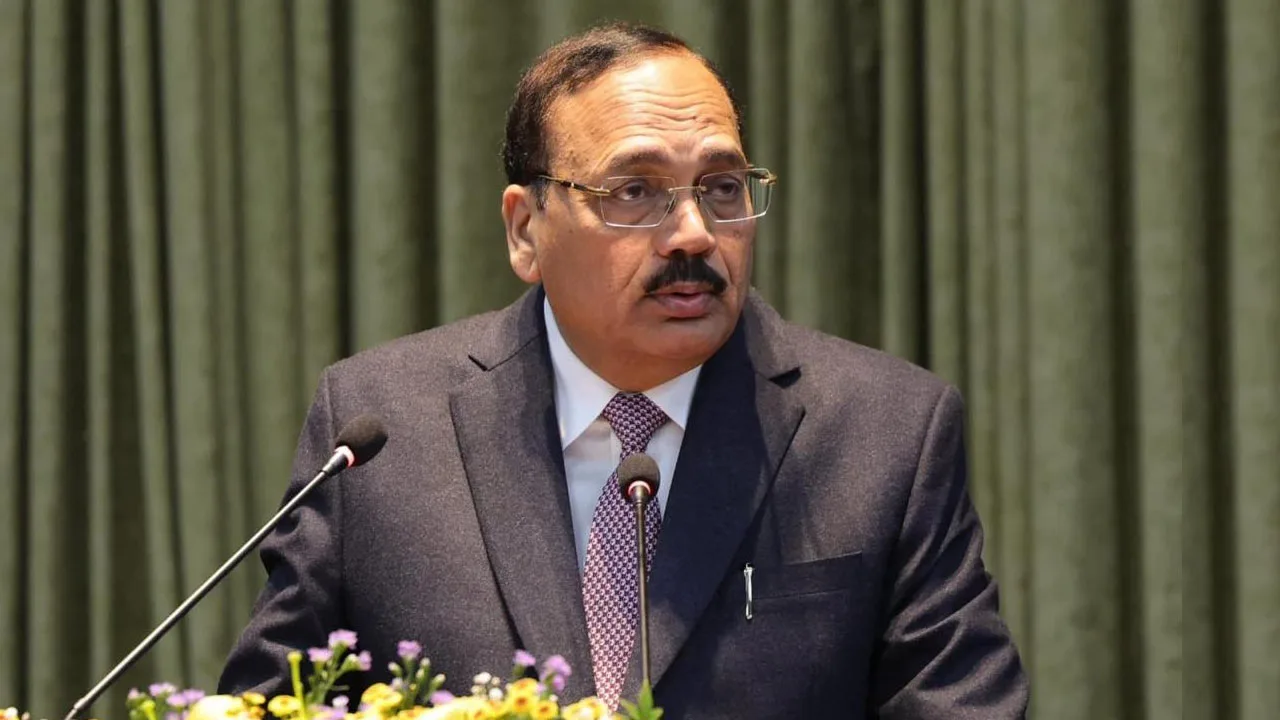
CJI Surya Kant declined a meeting request from Rahul Gandhi and Mallikarjun Kharge regarding the Special Intensive Revision of electoral rolls.
The CJI stated that the issues are sub judice and cannot be discussed outside the court.
Opposition leaders can still file petitions related to the SIR, which will be heard alongside existing cases.
In a significant development, Chief Justice of India Surya Kant has declined a meeting request from Rahul Gandhi, the Leader of the Opposition in the Lok Sabha, and Mallikarjun Kharge, the Leader of the Opposition in the Rajya Sabha. The meeting was sought to discuss matters concerning the Special Intensive Revision (SIR) of electoral rolls, scheduled for tomorrow.
The Chief Justice's response, communicated via an official email, emphasized that holding such a meeting would be inappropriate since the issues raised are currently sub judice before the Supreme Court. CJI Surya Kant further clarified that, according to the constitutional framework, the Supreme Court cannot interfere with the executive's administrative functions, although he noted that the opposition leaders are welcome to approach the Court on judicial matters.
In light of this, the opposition leaders were informed that any petitions filed by them could be heard in conjunction with similar matters related to the SIR exercise, which are already set for hearing before the Supreme Court on Tuesday. Earlier in the day, Rahul Gandhi announced plans for opposition parties to march to the Supreme Court, presenting a memorandum to the CJI that calls for the rollback of the SIR and the resignation of Chief Election Commissioner Gyanesh Kumar.
It is pertinent to mention that a bench led by CJI Surya Kant had previously upheld the Election Commission of India's authority to conduct the SIR in May 2026. Furthermore, the bench is currently reviewing petitions challenging various decisions made by the Chief Election Commissioner, which are alleged to have been taken without the agreement of other Election Commissioners.
Looking ahead, the opposition's planned march to the Supreme Court and their memorandum submission could intensify discussions surrounding the electoral process in India. As the Supreme Court prepares to hear related petitions, the implications of these developments on the electoral landscape remain to be seen.