Opposition Leaders Highlight U.S. Midterm Elections as Catalyst for Change
On November 4, 2026, Indian opposition leaders drew parallels from U.S. midterm elections, emphasizing the power of collective action against authoritarianism.
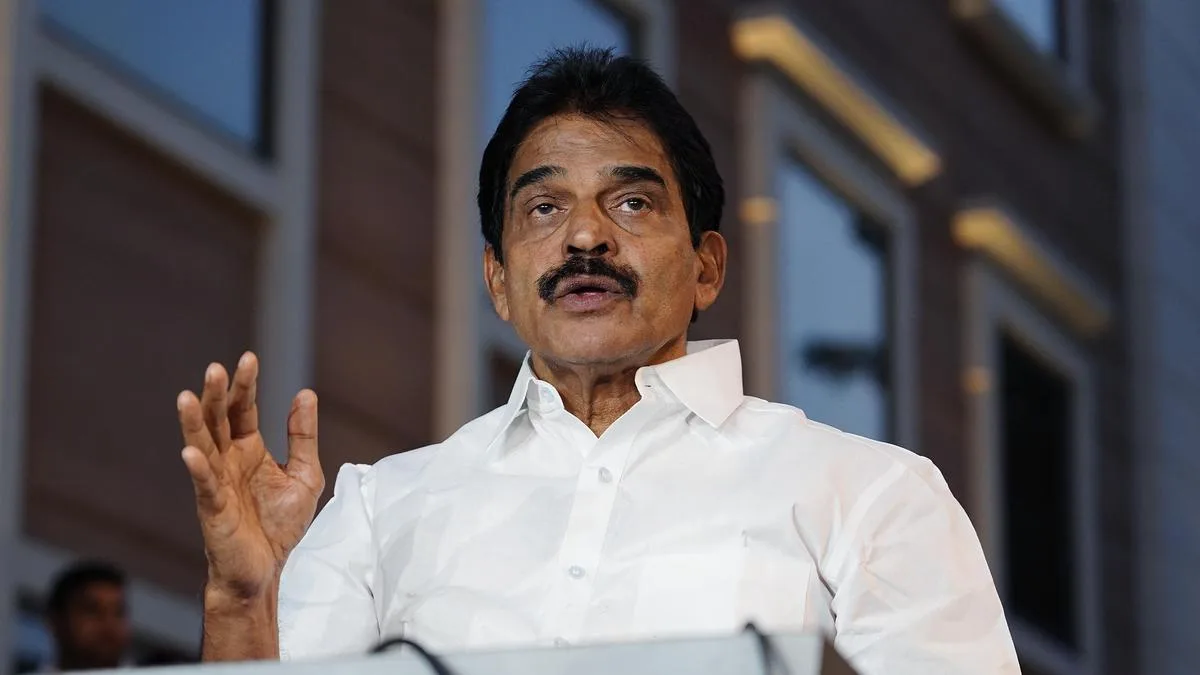
Opposition leaders claim U.S. midterm results show the strength of collective action against authoritarianism.
Congress leaders argue that midterm elections enforce accountability in governance.
Democratic victories in the U.S. Congress signal a shift in political dynamics amid public discontent.
On November 4, 2026, opposition leaders in India referenced the outcomes of the U.S. midterm elections to assert that collective public action can effectively counter authoritarianism. K.C. Venugopal, Congress general secretary, stated that the results indicate a significant shift in political sentiment, suggesting that the voice of the people can challenge entrenched power structures.
Venugopal emphasized that the midterm elections serve as a crucial mechanism for ensuring governmental accountability. He remarked on social media that the results illustrate how ordinary citizens can unite against authoritarian forces, which are often supported by large corporations and biased media. He stressed that democracy is fundamentally about the people, not the elite, and highlighted the importance of solidarity in preserving rights and freedoms.
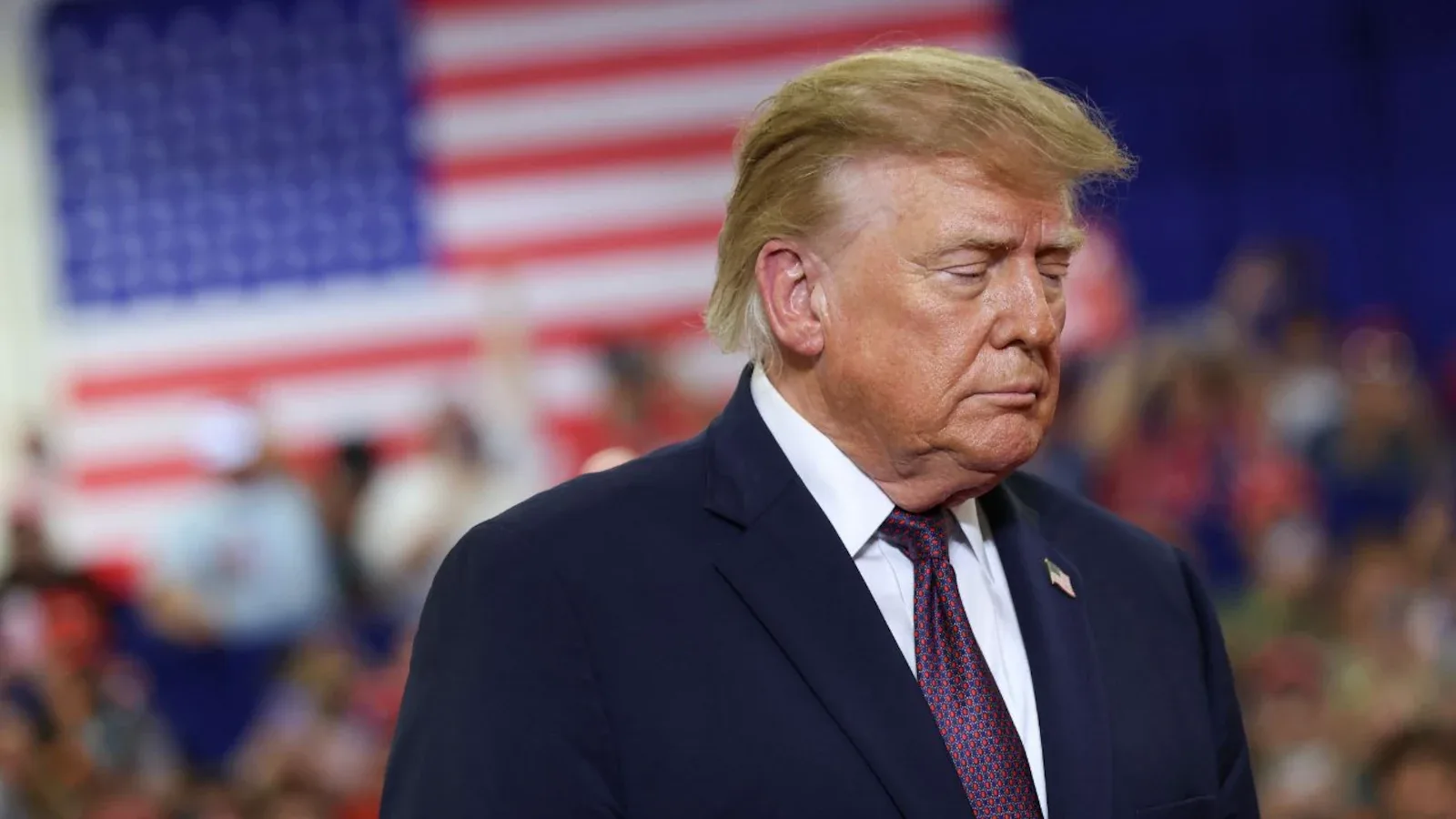
Jairam Ramesh, the party's communications chief, described the election results as a "stunning verdict" against U.S. President Donald Trump, noting that they reflect the potential of midterm elections to hold leaders accountable. He warned that India's current political landscape, particularly the One Nation, One Election proposal by the Modi government, could undermine this accountability mechanism, which has been a cornerstone of democratic governance.
The implications of the U.S. elections extend beyond American borders, with Ramesh pointing out that they restore institutional balance crucial for a constitutional democracy. He expressed concern that such balance has been compromised in India since 2014, urging citizens to remain vigilant against the erosion of democratic norms.
In a notable reaction, Asaduddin Owaisi, leader of the All India Majlis-e-Ittehadul Muslimeen, celebrated the election of Democrat Abdul El-Sayed as the first Muslim in the U.S. Senate. Owaisi's remarks highlighted the significance of this victory for Muslim identity in politics, suggesting that it could inspire a stronger political presence for Muslims in India. The Democratic Party's gains in the U.S. Congress, attributed to public dissatisfaction with Trump's policies, signal a potential shift in political dynamics that could resonate in India as well.