Opposition Critiques SAD-BJP Alliance Amid Punjab Election Dynamics
The AAP and Congress express concerns over the newly formed SAD-BJP alliance, citing past failures and questioning its viability for the upcoming elections.
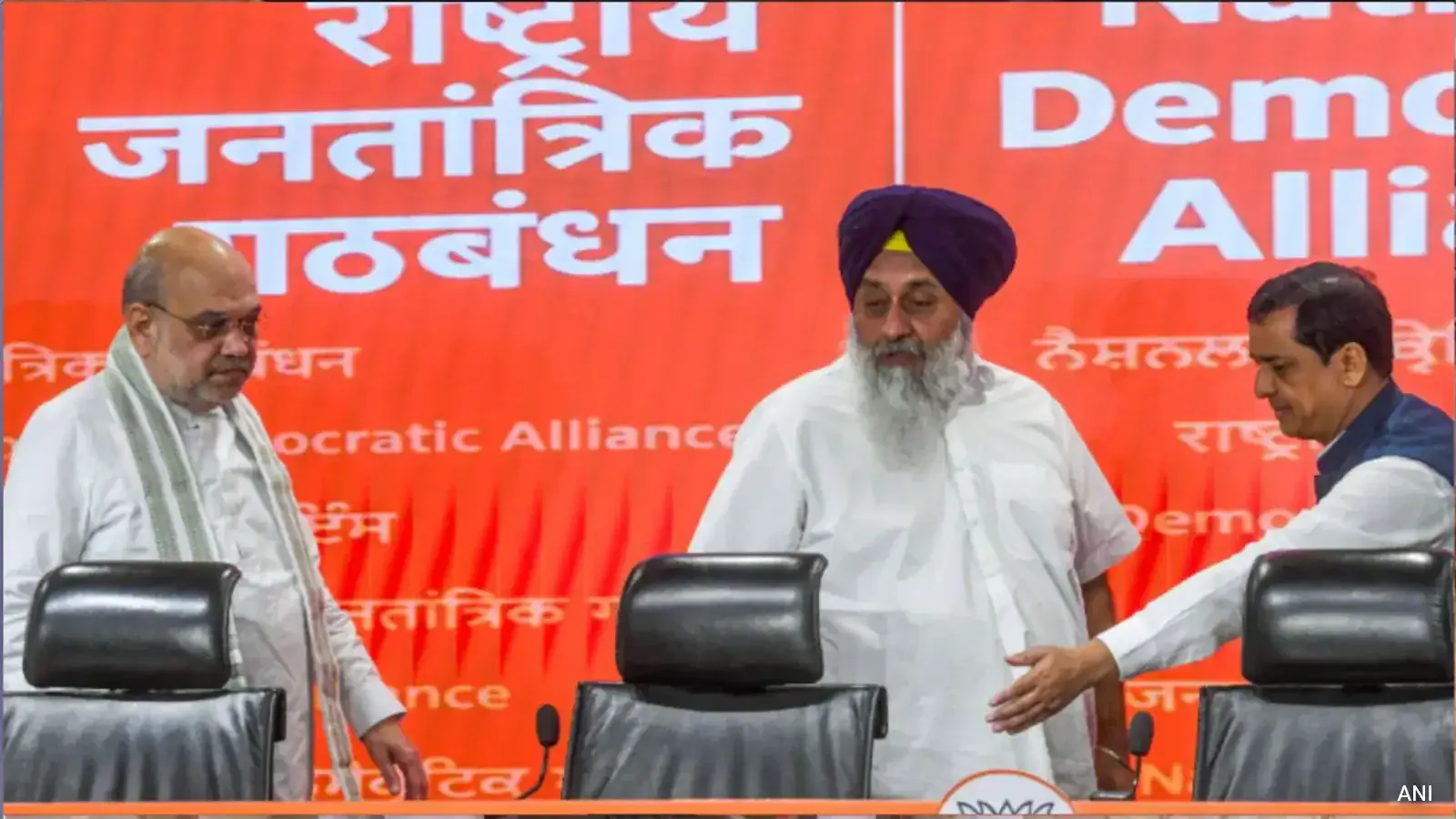
The SAD-BJP alliance garnered 31.98% of votes in the 2024 Lok Sabha polls, surpassing AAP and Congress.
Opposition leaders criticize the alliance as a desperate move lacking a clear agenda for Punjab's needs.
The coalition aims to secure a majority by focusing on urban districts and addressing voter dissatisfaction with the current government.
The recent announcement of the alliance between the Shiromani Akali Dal (SAD) and the Bharatiya Janata Party (BJP) has sparked immediate backlash from opposition parties in Punjab. The Aam Aadmi Party (AAP) and Congress have labeled this reunion as a desperate attempt by two weakened factions to regain power ahead of the upcoming elections. They argue that the alliance is not based on the needs of Punjab but rather on political convenience, with leaders from both parties questioning the motives behind this partnership.
Historically, the SAD had distanced itself from the BJP in September 2020 due to disagreements over controversial farm laws. The opposition has seized upon this history, with AAP leader Arvind Kejriwal and Punjab Chief Minister Bhagwant Mann accusing SAD of inconsistency and opportunism. They emphasize that AAP's true alliances lie with the farmers and marginalized communities, rather than with parties that have previously failed to address their concerns. Congress leaders echoed these sentiments, describing the alliance as directionless and driven by a survival instinct rather than a coherent strategy for Punjab's future.
In the 2024 Lok Sabha elections, the SAD and BJP's combined vote share of 31.98% positioned them ahead of Congress and AAP. However, the opposition remains skeptical about whether this vote share can translate into actual seats in the Punjab Assembly elections. The alliance's supporters argue that their combined strength could lead to a double-engine government, promising to address issues such as drug trafficking and economic development in border districts. Amit Shah has highlighted the aim of fostering Hindu-Sikh unity as a key component of this partnership.
The coalition is strategically targeting urban districts, where they believe they can convert votes into seats. Six major urban areas, including Ludhiana and Amritsar, hold significant electoral weight, and internal assessments suggest the alliance could contend for a majority in 50 to 58 segments. The plan hinges on capitalizing on dissatisfaction with AAP's governance and presenting the alliance as a stable alternative amidst fragmented political groups. However, the success of this strategy will depend on effective seat-sharing negotiations between SAD and BJP, as well as addressing potential local dissent.
As the political landscape evolves, the implications of this alliance for Punjab's electorate remain uncertain. The BJP's decision to support SAD, which has seen a decline in its traditional voter base, raises questions about the future dynamics of Punjab politics. With the campaign season approaching, the ability of the SAD-BJP alliance to resonate with rural and Panthic voters will be crucial in determining the outcome of the elections.