Ongoing Border Tensions in Arunachal Pradesh: ITBP Chief
Indo-Tibetan Border Police Chief confirms continued face-offs with China in Arunachal Pradesh amid heightened military readiness.
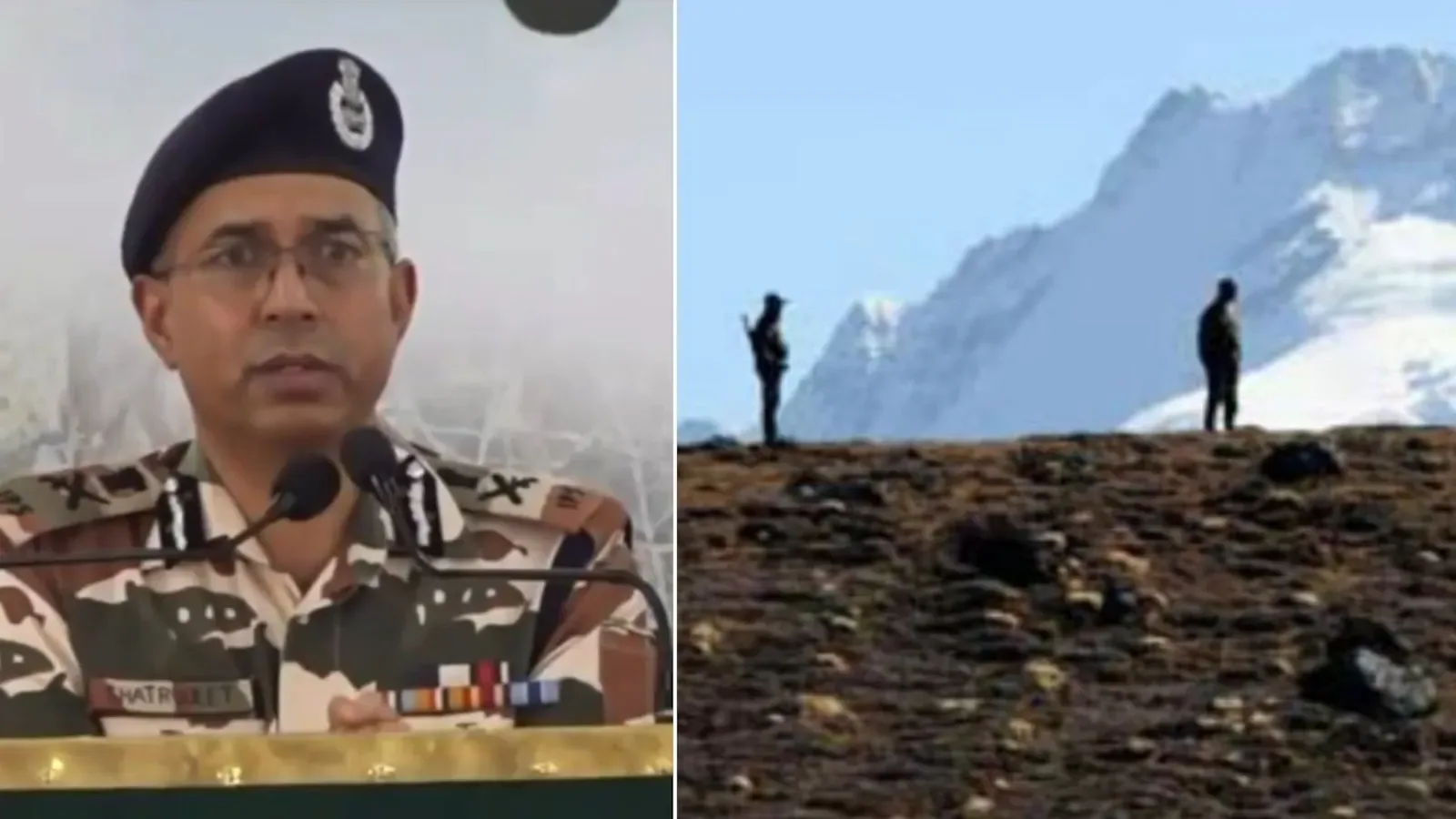
Face-offs with Chinese troops reported at multiple locations in Arunachal Pradesh.
A new combat unit, the Shaurya commandos, has been established to enhance operational capabilities.
ITBP Chief emphasizes the need for advanced technology to counter Chinese military advancements.
The Indo-Tibetan Border Police (ITBP) Director General Shatrujeet Kapur announced on Thursday that face-offs with Chinese forces have been occurring at various points along the Arunachal Pradesh border. This statement was made during a briefing to his troops at a base in Alwar, Rajasthan, as he prepares for retirement at the end of the month.
Kapur highlighted the establishment of a new combat team known as the Shaurya commandos, which has already demonstrated its capabilities during the ongoing confrontations with the People's Liberation Army (PLA) of China. This new unit is intended to be integrated into every border battalion, providing the ITBP with a distinctive operational identity.
The ITBP, formed in 1962, is responsible for securing the 3,488-kilometer-long Line of Actual Control (LAC) with China. Kapur's remarks come in the context of routine force deployment and preparedness along the border, rather than a specific incident. In contrast, Chief of Defence Staff General NS Raja Subramani recently stated that the situation along the LAC is stable, indicating no immediate cause for concern.
The implications of these ongoing tensions are significant for India, particularly in light of recent statements from External Affairs Minister S. Jaishankar, who emphasized that peace in border areas is crucial for normalizing relations with China. Jaishankar noted that any disturbances could have serious repercussions, underscoring the delicate nature of India-China relations.
Looking ahead, the ITBP plans to enhance its operational readiness by introducing a new training course named 'Strike,' aimed at preparing personnel for potential Galwan-like scenarios. This comprehensive training program is expected to be completed by the end of 2027, reflecting the ITBP's commitment to adapting to modern warfare challenges, particularly in light of advancements in drone technology and the evolving nature of military engagements.