New Delhi Braces for Cockroach Party Rally Amid Heavy Police Presence
Authorities in New Delhi have ramped up security as the Cockroach Janta Party plans a protest following the jailing of its activists.
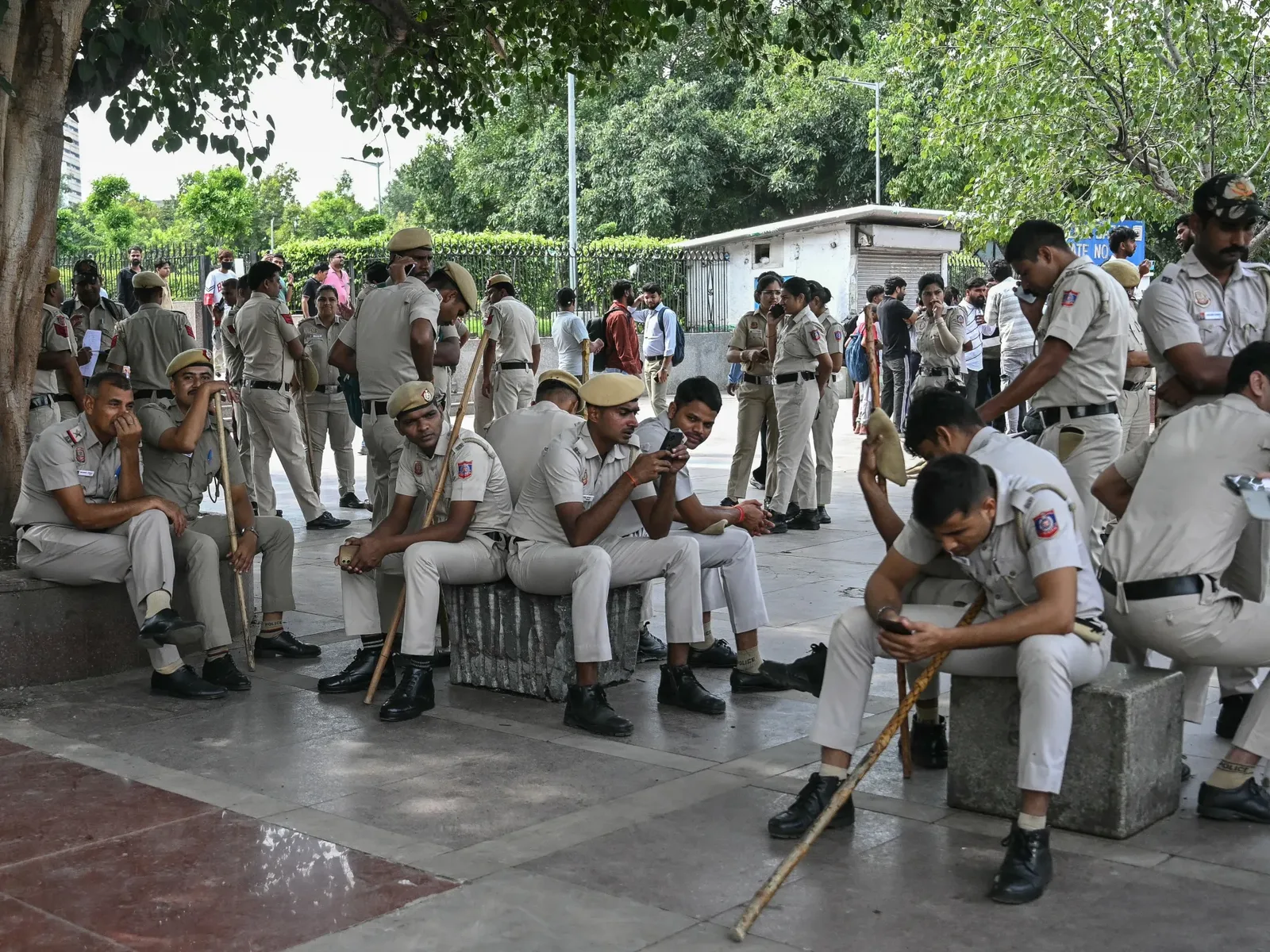
New Delhi sees increased police deployment ahead of CJP rally.
CJP protests demand the resignation of the Chief Election Commissioner.
The movement highlights youth discontent amid rising unemployment.
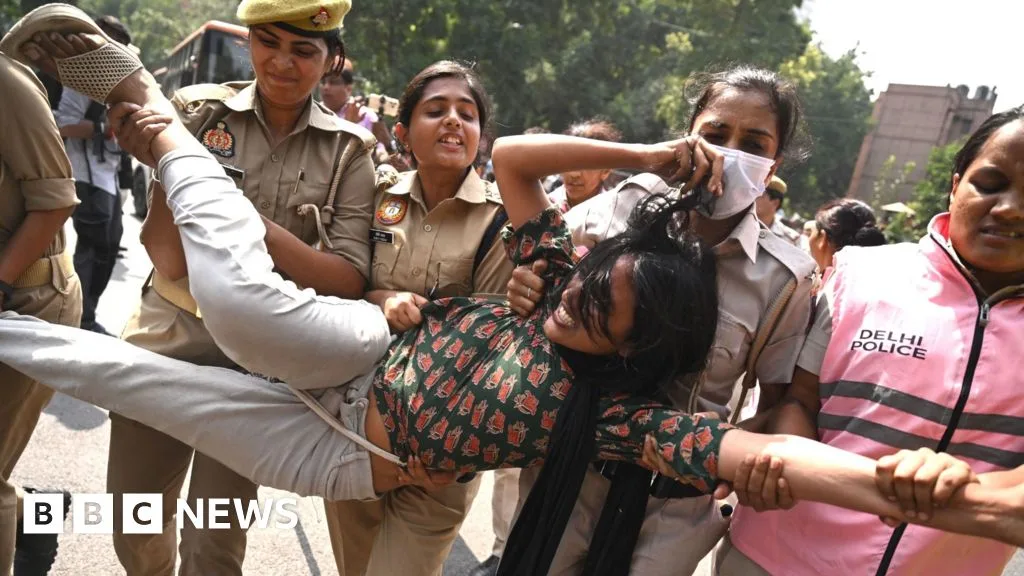
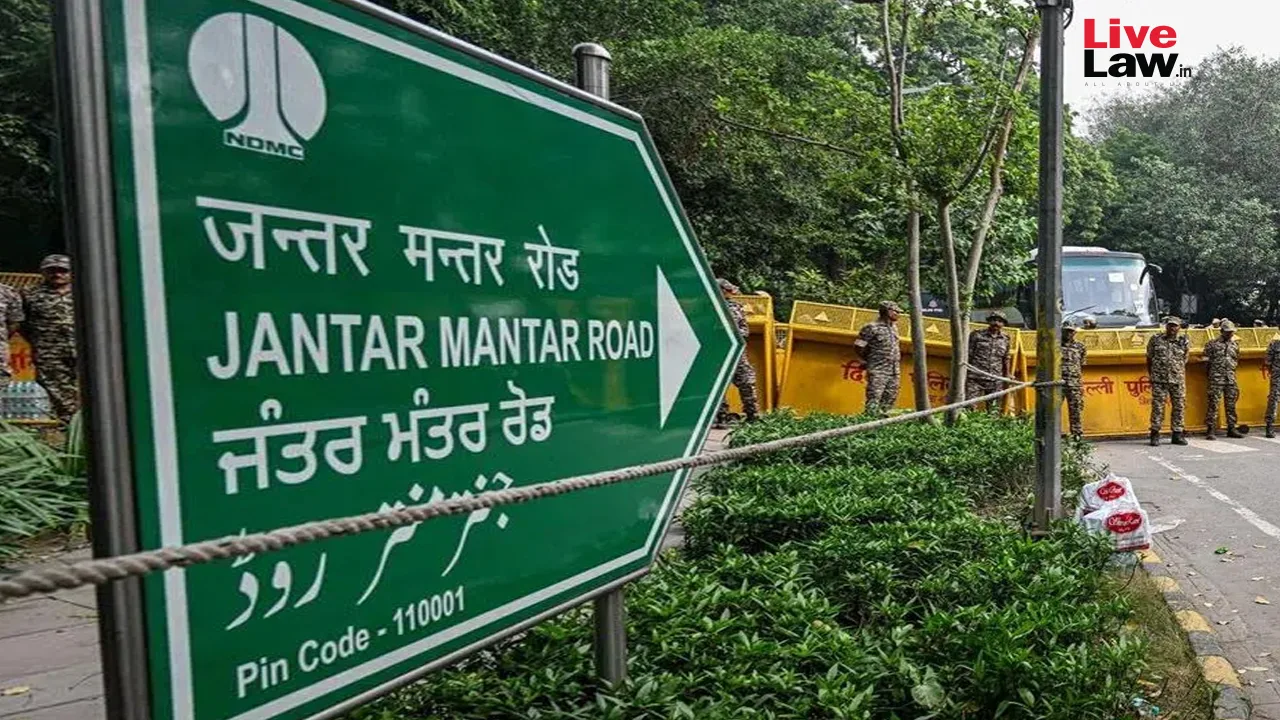
In New Delhi, security measures have intensified as the Cockroach Janta Party (CJP) prepares for a rally scheduled for 5 PM on Friday. This demonstration follows the recent jailing of two CJP leaders, who were detained for allegedly trespassing at a protest site. Thousands of additional police officers have been deployed in anticipation of potential confrontations, reflecting the government's readiness to manage dissent.
The CJP, a youth-led movement, has been vocal in its demands for electoral reforms and the resignation of Chief Election Commissioner Gyanesh Kumar. The movement gained momentum after the commissioner oversaw the removal of over 130 million names from the electoral roll, which the CJP claims amounts to voter fraud. The authorities, however, maintain that these changes were necessary to eliminate duplicate and fraudulent entries.
CJP founder Abhijeet Dipke has expressed concerns about the government's approach to protests, suggesting that the current administration may attempt to arrest him before the rally. He has publicly stated that he and his supporters are prepared to face arrest, emphasizing their determination to continue advocating for their cause despite the risks involved. In a recent social media post, Dipke criticized the government for its hypocrisy, arguing that the ruling party's leaders would not have reached their positions of power had they faced similar restrictions during their time in opposition.
The implications of the CJP's protests extend beyond immediate demands, as they resonate with a broader sentiment among India's youth, many of whom feel marginalized amid a rising unemployment crisis. The movement has become a voice for Gen Z, who are increasingly frustrated with the current political climate. The CJP's activities have already led to significant political repercussions, including the resignation of the education minister, indicating the growing influence of this grassroots movement.
Looking ahead, the CJP's rally is expected to draw significant attention, both from supporters and critics alike. As the political landscape in India continues to evolve, Prime Minister Narendra Modi faces mounting pressure from opposition parties and civil society groups. Analysts suggest that the current unrest represents one of the most significant challenges to Modi's administration since he took office in 2014, marking a pivotal moment in India's political discourse.