Netanyahu Declares Military Action Against Iran Inevitable
Israeli Prime Minister Benjamin Netanyahu insists on the necessity of military operations against Iran, while President Trump adopts a more cautious approach.
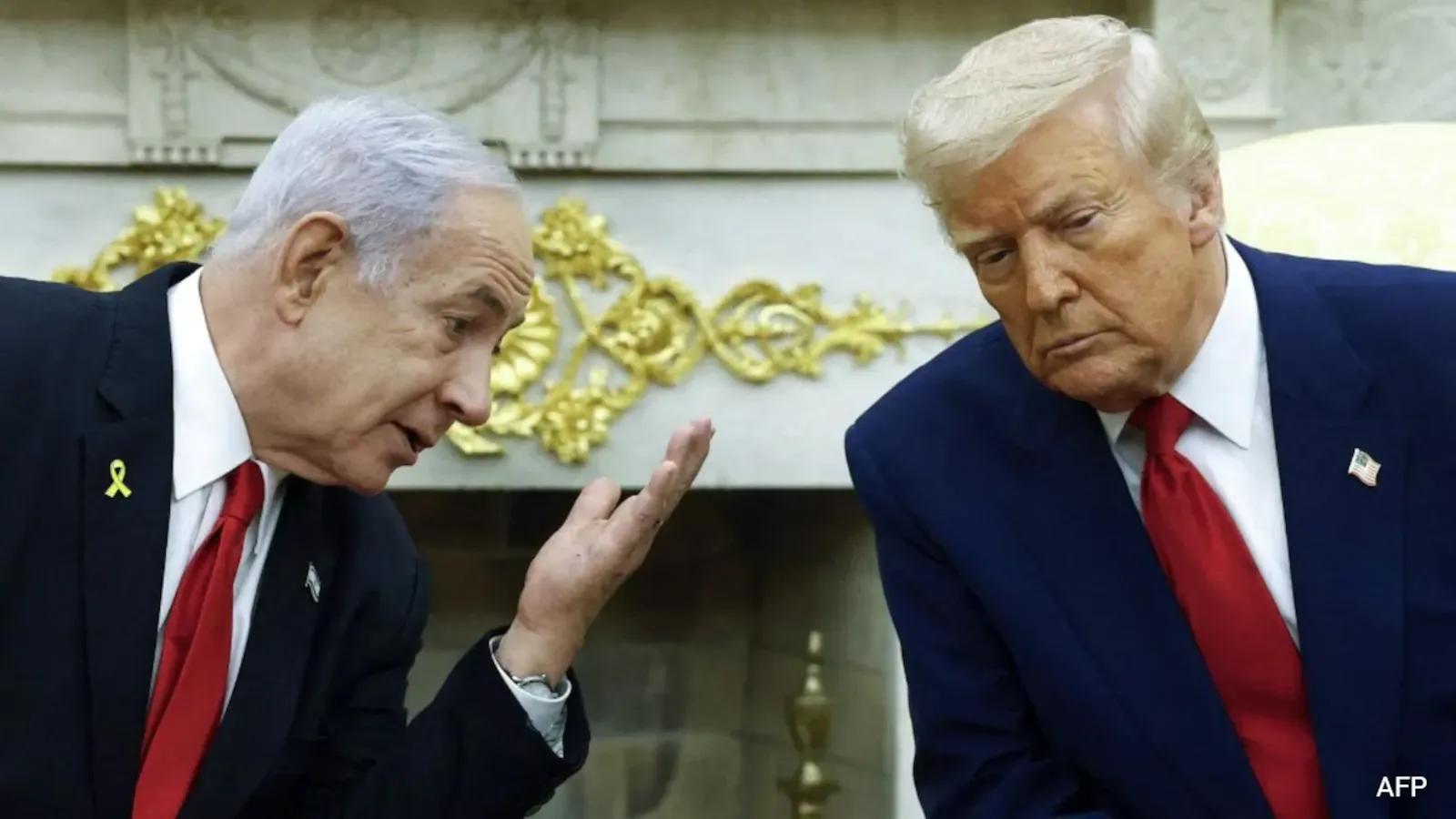
Netanyahu claims a military operation against Iran is unavoidable amid political pressure.
Trump emphasizes a careful approach, stating he won't rush decisions regarding Iran.
The US Senate recently voted against legislation that would limit Trump's military actions.
In a significant development, Israeli Prime Minister Benjamin Netanyahu has asserted that a new military operation against Iran is unavoidable. This statement was made during discussions with senior ministers and security officials as he seeks to secure support from the United States for a potential military campaign against Tehran. Reports indicate that Netanyahu's remarks come in the wake of a joint US-Israel strike on Iran that occurred on February 28, raising concerns about escalating tensions in the region.
Netanyahu's push for military action is reportedly backed by a senior officer from the Israel Defense Forces, who noted that plans have been shared and approved by officials from both Israel and the US Central Command. The primary uncertainty now lies in the timing of such operations. Critics within Netanyahu's political sphere have accused him of attempting to escalate the conflict to bolster his political standing, a claim he has publicly denied.
In contrast to Netanyahu's assertive stance, US President Donald Trump has adopted a more measured tone regarding military action against Iran. In a recent interview, Trump stated, "I am not rushing into any decision" and indicated that the US would reassess the situation after the start of the new year. He expressed a willingness to discuss potential military strikes but emphasized that there is no immediate urgency, saying, "We have got time."
The backdrop of these discussions includes reports that Netanyahu is advocating for a US-backed air campaign lasting four to seven days against Iran. The New York Times has indicated that Trump is contemplating significant military strikes, taking into account Israeli intelligence that suggests Iran has been enhancing its missile and drone capabilities. This situation has prompted detailed military planning, with Trump requesting the Pentagon to evaluate attack scenarios that would minimize the risk of large-scale retaliation from Iran.
As the situation develops, the implications for US-Iran relations remain profound. The recent Senate vote to reject a proposal that would have compelled Trump to seek congressional approval for military actions underscores the political sensitivity surrounding the issue. The administration continues to argue that its strategy of sanctions and blockades is effectively pressuring Tehran, while Trump maintains that preventing Iran from acquiring nuclear weapons is a central tenet of his policy. The coming months will be crucial in determining the trajectory of US-Iran relations and the potential for military engagement.