Neha Bora Leads Protests Demanding Resignation of CEC Gyanesh Kumar
Neha Bora, a prominent student leader, gained attention during the Jantar Mantar protests, advocating for the resignation of Chief Election Commissioner Gyanesh Kumar.

Neha Bora, president of AISA, led protests against CEC Gyanesh Kumar on October 11.
Bora has become a symbol of Gen-Z activism, known for her fiery speeches and resilience.
She has faced police detentions and criticism but remains committed to her cause.
On October 11, Neha Bora, the national president of the All India Students' Association (AISA), became a focal point during the protests at Jantar Mantar, demanding the resignation of Chief Election Commissioner Gyanesh Kumar. The protests were sparked by allegations of irregularities in the Special Intensive Revision (SIR) exercise, drawing significant attention in the national capital as demonstrators rallied for accountability.
Bora, a 29-year-old PhD student at Jawaharlal Nehru University, has been actively involved in student politics since 2018. Her rise to prominence began during earlier protests against the education ministry, where she undertook a 23-day hunger strike that garnered national media coverage. Her background includes a diverse upbringing due to her father's military service, which she credits for shaping her political views. Bora's academic focus on Performance Studies complements her activism, as she engages in street theatre to express social issues.
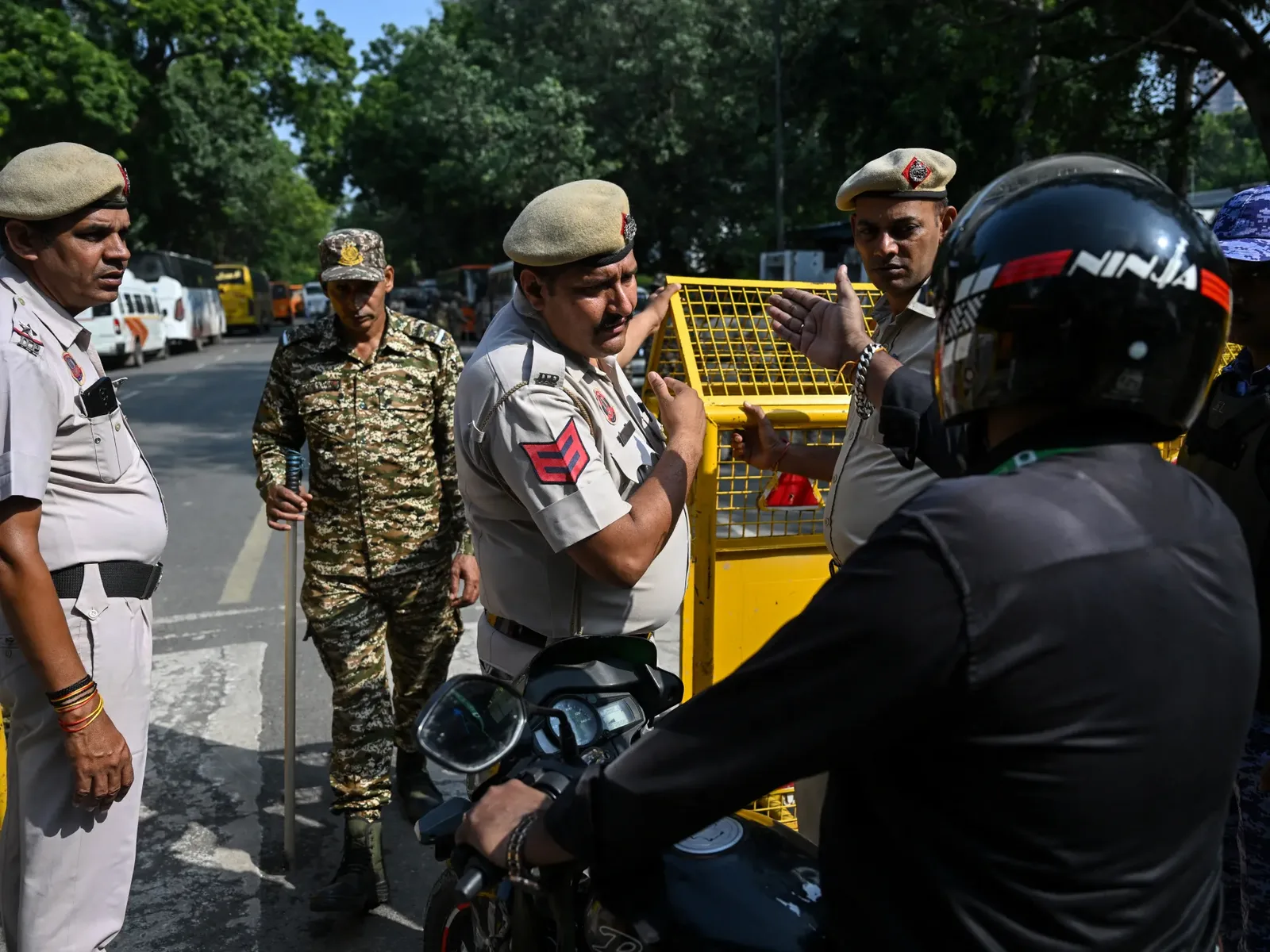
During the recent protests, Bora was seen evading police and rallying fellow demonstrators, quickly becoming a viral sensation on social media. Many have dubbed her 'sherni,' or lioness, for her tenacity and courage in the face of authority. Despite facing physical challenges, including weight loss from previous hunger strikes, her resolve has only strengthened. She has openly criticized the government and its officials, notably calling out Uttar Pradesh's Chief Minister Yogi Adityanath for his policies.
The implications of Bora's activism extend beyond her personal journey; her actions resonate with a broader movement among India's youth, who are increasingly vocal about their rights and governance issues. Her participation in protests against Gyanesh Kumar reflects a growing discontent with electoral integrity and democratic processes in India. As she continues to challenge the status quo, her influence is likely to inspire more young activists across the nation.
Looking ahead, Bora's future in activism seems promising as she remains a key figure in ongoing protests. With her recent detentions highlighting the tensions between youth activists and law enforcement, the coming weeks may see further developments in her campaign against the Chief Election Commissioner. As she stated, her pursuit of accountability is unwavering, and she plans to continue her fight for democracy and justice in India.