Nationwide Protests Erupt Against Electoral Roll Revisions on October 23, 2026
Protesters demand the resignation of Chief Election Commissioner Gyanesh Kumar and the rollback of the Special Intensive Revision of electoral rolls.
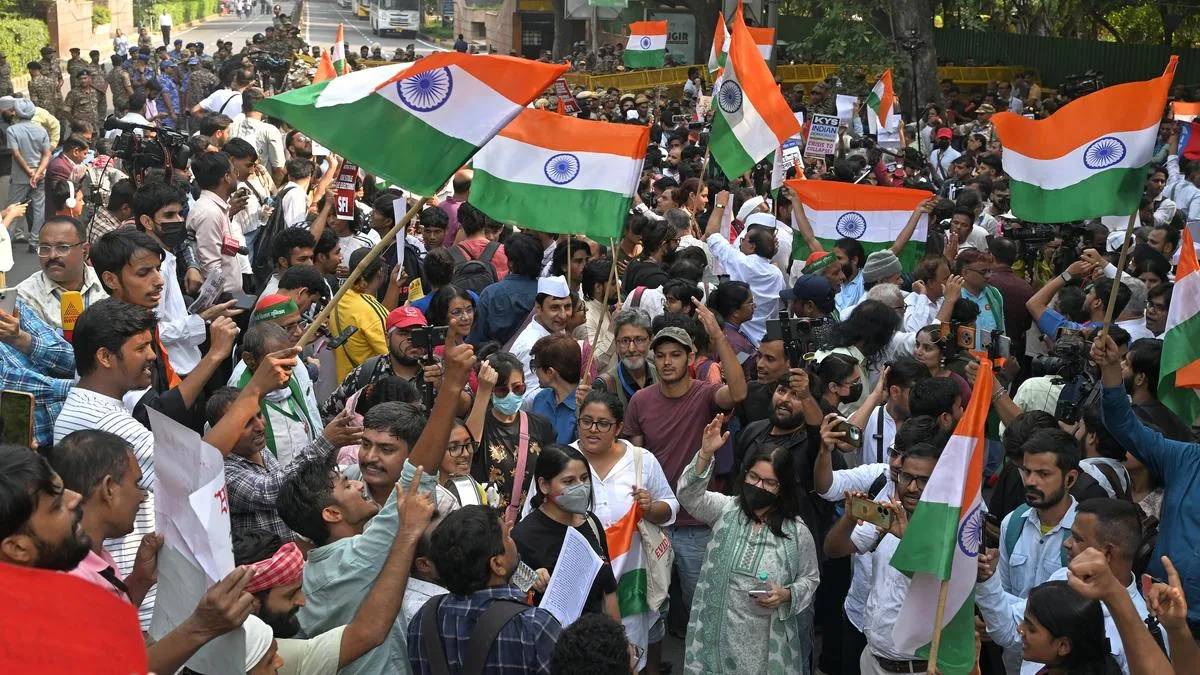
Around 500 protesters marched in Central Delhi on October 23, 2026.
Demonstrators included students, farmers, and civil society members.
Protests were organized across the country, with calls for the resignation of the CEC.
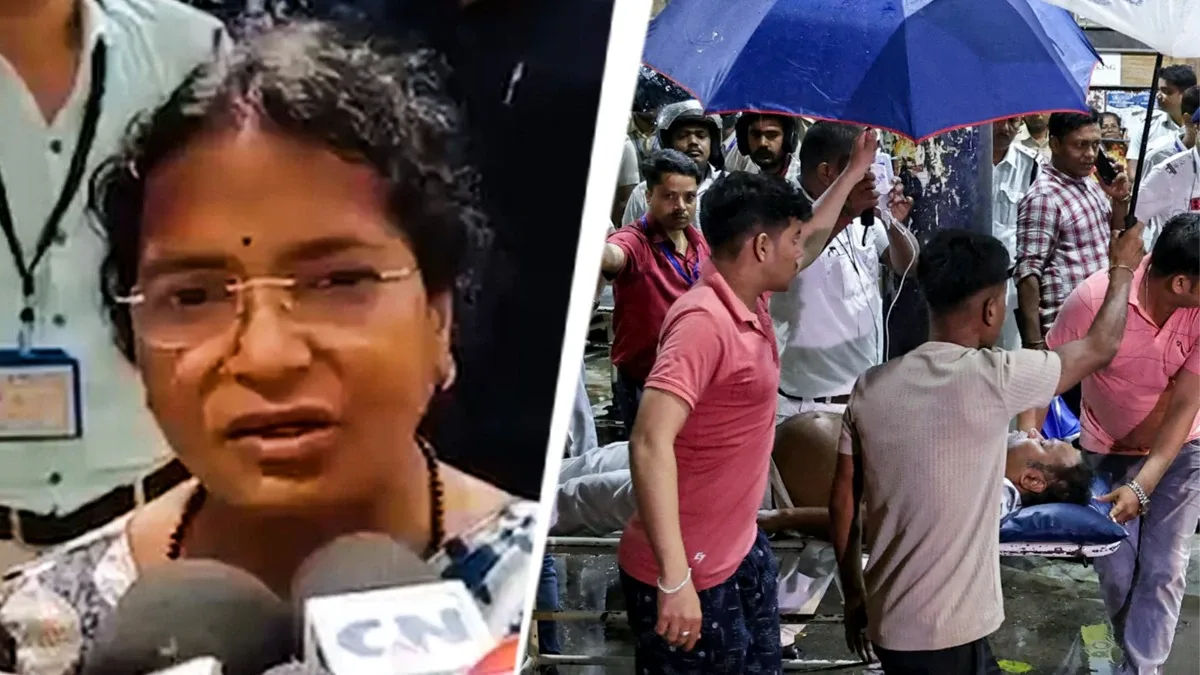
On October 23, 2026, approximately 500 individuals, including students, farmers, and civil society members, gathered in Central Delhi to protest against the Special Intensive Revision (SIR) of electoral rolls. The demonstrators, united under the banner of 'People Against SIR,' marched towards the Election Commission of India (ECI) headquarters, demanding the resignation of Chief Election Commissioner Gyanesh Kumar. This event was part of a broader movement occurring nationwide, reflecting widespread discontent with the electoral process.
The protests stem from concerns that the SIR undermines the integrity of electoral rolls, leading to fears of disenfranchisement among voters. Activists argue that the current electoral revision process lacks transparency and could disenfranchise marginalized communities. This mobilization follows a series of earlier protests where demonstrators faced police brutality, particularly against women participants, which has intensified calls for accountability and reform.
During the protest, prominent figures such as political activist Yogendra Yadav and leaders from various student organizations voiced their support for the movement. Yadav emphasized that the protests would persist despite government restrictions, stating, "If you try to silence one person, people will not remain quiet." The police reported detaining around 20 protesters, while demonstrators claimed the number was closer to 50, highlighting the tensions between law enforcement and activists.
The protests have significant implications for the political landscape in India, as they unite diverse groups advocating for democratic rights and electoral integrity. The Samyukt Kisan Morcha (SKM), representing farmers, has also joined the movement, demanding the repeal of the SIR and the restoration of the right to protest at Jantar Mantar. The SKM's involvement underscores the growing alliance between farmers and civil society in advocating for electoral reforms and safeguarding democratic processes.
Looking ahead, the movement is expected to gain momentum, with plans for further demonstrations across the country. Activists are calling for continued engagement from citizens to ensure their voices are heard in the democratic process. The situation remains fluid, with potential for additional protests and political actions as the demand for accountability from the Election Commission intensifies.