Modi Challenges Indian Industry on Job Creation Post Tax Cuts
Prime Minister Narendra Modi urges Indian businesses to enhance employment and wages following recent tax reforms.
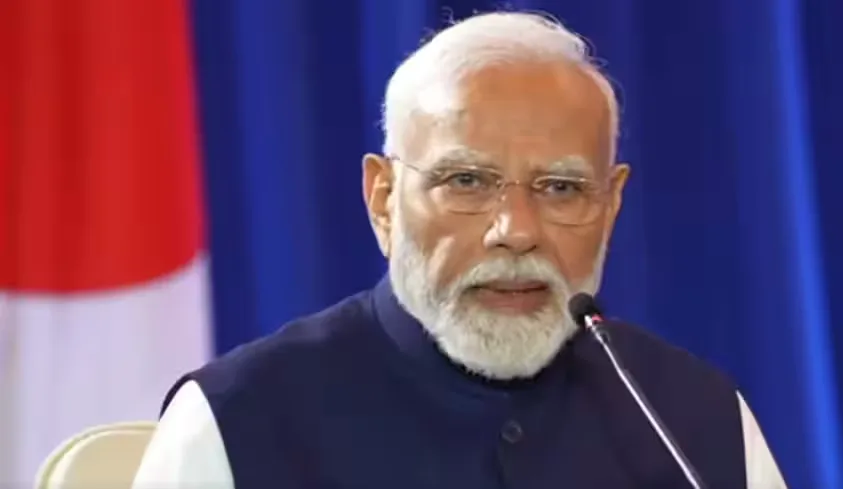
Modi questions if companies have raised wages and created jobs post-tax cuts.
He emphasizes the need for industries to invest in domestic manufacturing and reduce import dependence.
India's merchandise exports hit a record $49.47 billion in October, reflecting strong economic growth.
On November 19, Prime Minister Narendra Modi addressed the FICCI Annual General Meeting in New Delhi, challenging Indian companies to demonstrate their commitment to job creation and wage increases following corporate tax reductions. He highlighted the government's efforts in lowering corporate tax rates and simplifying compliance, urging the industry to take responsibility for leveraging these benefits for economic transformation.
Modi's remarks came in the context of India's improving economic outlook, with international organizations projecting growth rates of 7% or more. He pointed out that while the government has made significant reforms, it is now the responsibility of businesses to show tangible results in terms of employment and employee compensation. He emphasized that the government cannot be solely accountable for driving the nation's development.
The Prime Minister also called for a strategic approach from industries to capitalize on India's expanding network of free trade agreements. He warned against complacency, stating that the large domestic consumer base should not lead to a decline in product quality. Modi insisted that Indian consumers deserve the same high-quality goods available in international markets, urging businesses to avoid treating the domestic market as a captive audience.
In his address, Modi stressed the importance of enhancing domestic manufacturing capabilities, particularly in sectors like pharmaceuticals, where India still relies heavily on imports for key ingredients. He encouraged companies to invest in local production of active pharmaceutical ingredients and other essential materials to reduce this dependence. Additionally, he identified agriculture and food processing as critical areas needing investment to boost India's share in global agricultural exports.
Looking ahead, Modi reassured businesses of the government's openness to further reforms and invited suggestions for policy changes that could enhance competitiveness. He urged companies to adopt a long-term vision, focusing on sustainable growth and self-reliance, as India aims for its Viksit Bharat (Developed India) ambition. The Prime Minister's call to action underscores the need for a collaborative effort between the government and industry to achieve significant economic progress in the coming years.