Medvedev Signals Possible Nuclear Action Amid Satellite Launch Plans
Dmitry Medvedev warns of a potential nuclear response from Russia, citing threats from Ukraine and NATO as tensions rise.
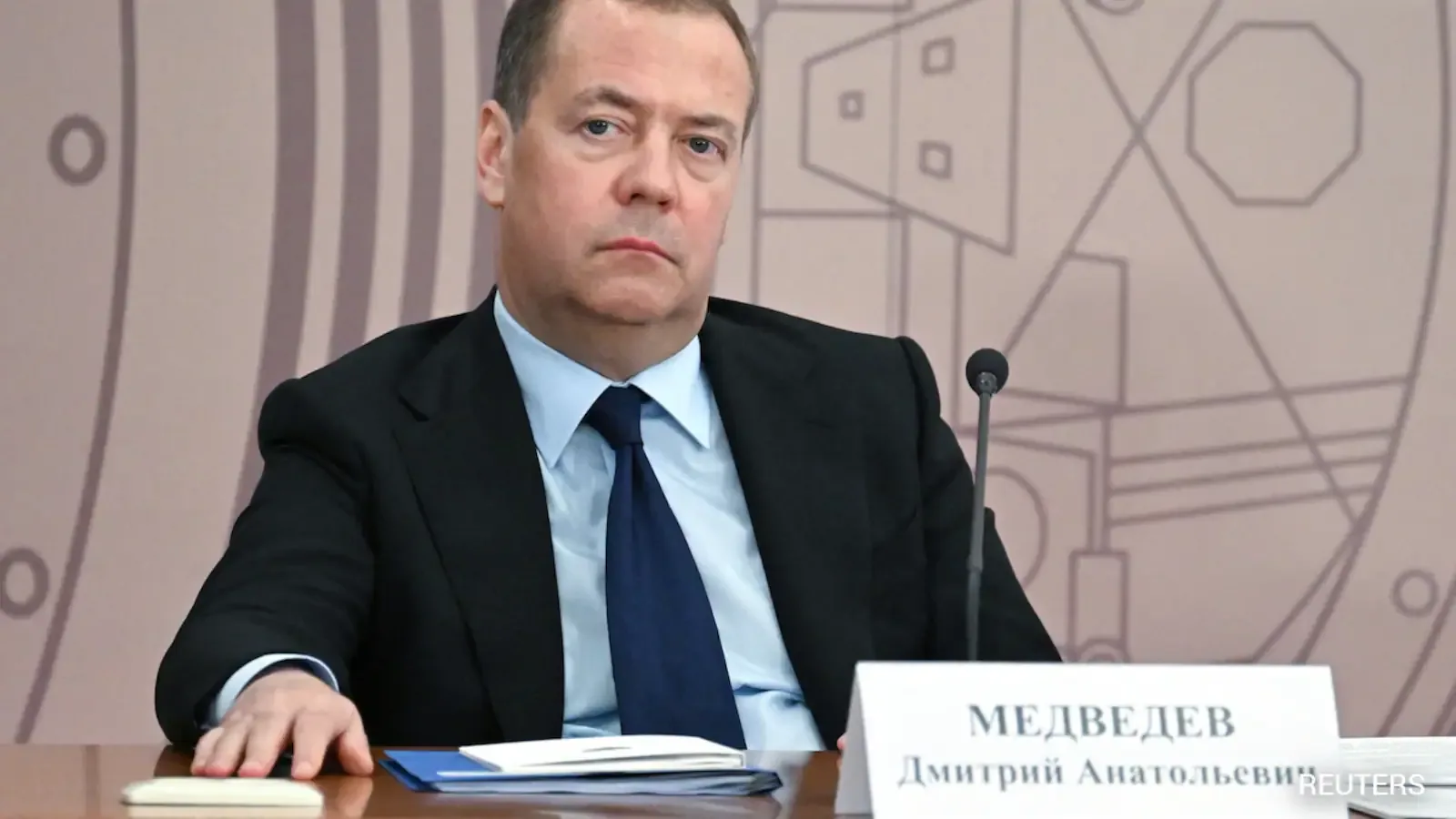
Medvedev indicates a 'preventive nuclear attack' could be considered under certain conditions.
Russia is reportedly preparing to launch a nuclear-armed satellite named 'Sputnik-S'.
NATO officials are taking the threat seriously, while Russia dismisses the claims as propaganda.
Dmitry Medvedev, former president of Russia and current deputy chairman of the Security Council, has issued a stark warning regarding the potential for a nuclear response from Moscow. In an article published in the Moscow Journal of International Law, Medvedev stated that Russia might consider a 'preventive nuclear attack' if certain thresholds, allegedly crossed by Ukraine and its NATO allies, are met. He emphasized that the use of non-nuclear means that lead to catastrophic outcomes could prompt such a drastic measure.
The context of Medvedev's statements reflects escalating tensions between Russia and the West, particularly in light of ongoing military support for Ukraine from NATO countries. He argued that the current geopolitical climate has created conditions where Russia might contemplate a nuclear strike. Medvedev added that any decision to use nuclear weapons would be preceded by a thorough evaluation of the proportionality of the response to the perceived threat.
In his article, titled 'State Sovereignty and Nuclear Weapons: International Legal Aspects of Ensuring National Security', Medvedev pointed to the possibility of 'secret or hidden supplies of nuclear weapons from the West to Kyiv' as a significant factor in Russia's calculations. He stated that Russia not only has the right but may also have an obligation to use nuclear weapons in certain situations, urging Kyiv and its allies to recognize this reality.
The warning coincides with reports suggesting that Russia is preparing to launch a nuclear-armed satellite, referred to as 'Sputnik-S', within the next two months. German media outlets have reported that this satellite could potentially disrupt or destroy other satellites, raising alarms within NATO. A spokesperson for the German government confirmed that these reports are being taken seriously, with NATO's chief asserting the alliance's commitment to defend against any space-related threats.
In contrast, the Russian embassy in Berlin has dismissed these reports as 'unfounded allegations' and part of a broader propaganda campaign against Russia. As the situation develops, the international community remains watchful of Russia's military advancements and the implications they hold for global security.