Mecca Pact Activated: Pakistan's Role in Saudi Arabia's Yemen Conflict
As the Mecca defense pact comes into play, questions arise about Pakistan's effectiveness in aiding Saudi Arabia against the Iran-aligned Houthis.
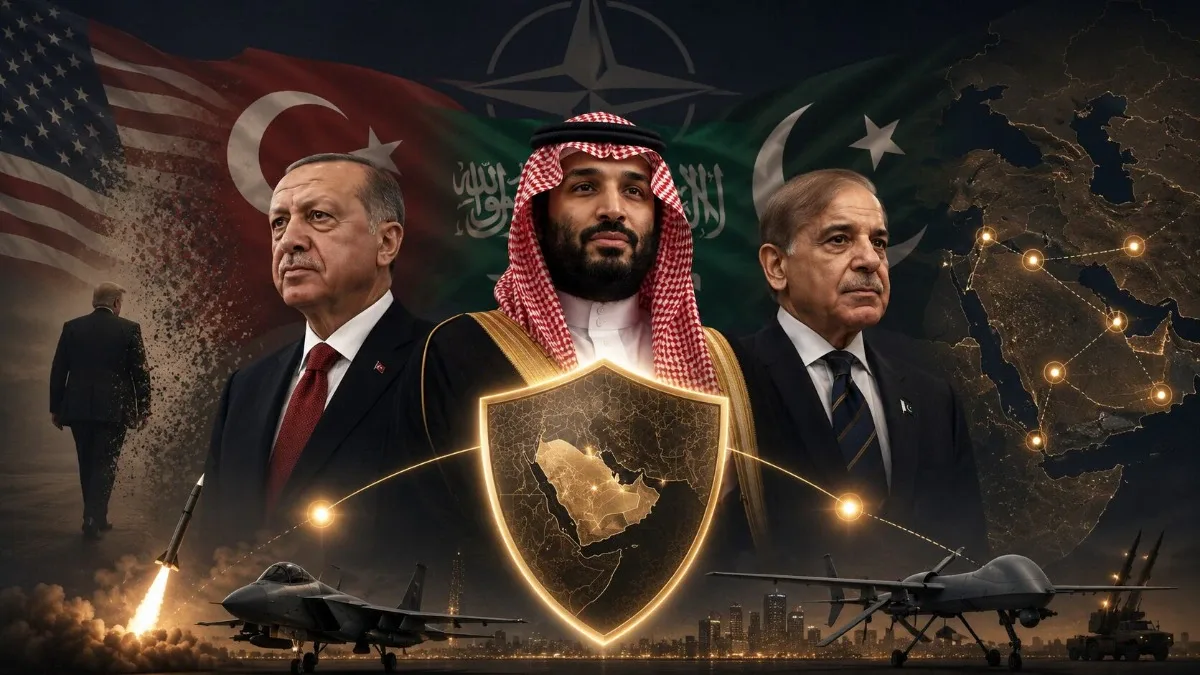
The Mecca defense pact binds Pakistan and Turkey to support Saudi Arabia against Houthi attacks.
Experts caution that military superiority does not guarantee victory in Yemen's complex terrain.
Historical precedents suggest that a ground invasion may lead to prolonged conflict without achieving decisive results.
The Mecca defense pact, signed by Saudi Crown Prince Mohammed bin Salman, Pakistani Prime Minister Shehbaz Sharif, and Turkish President Recep Tayyip Erdogan, has been activated in response to escalating Houthi attacks on Saudi Arabia. This agreement obligates Pakistan and Turkey to assist Saudi Arabia militarily, raising questions about the potential effectiveness of this coalition against the Iran-backed Houthis, who have demonstrated resilience over years of conflict.
Historically, Saudi Arabia has sought military assistance from Pakistan, notably in 2015, when it requested troops and air support for its campaign against the Houthis. At that time, Pakistan's Parliament opted for neutrality, citing concerns over becoming embroiled in a regional conflict. However, the current geopolitical landscape has shifted, with Saudi Arabia now demanding support under the Mecca pact, which stipulates that an attack on one member triggers a collective defense response.
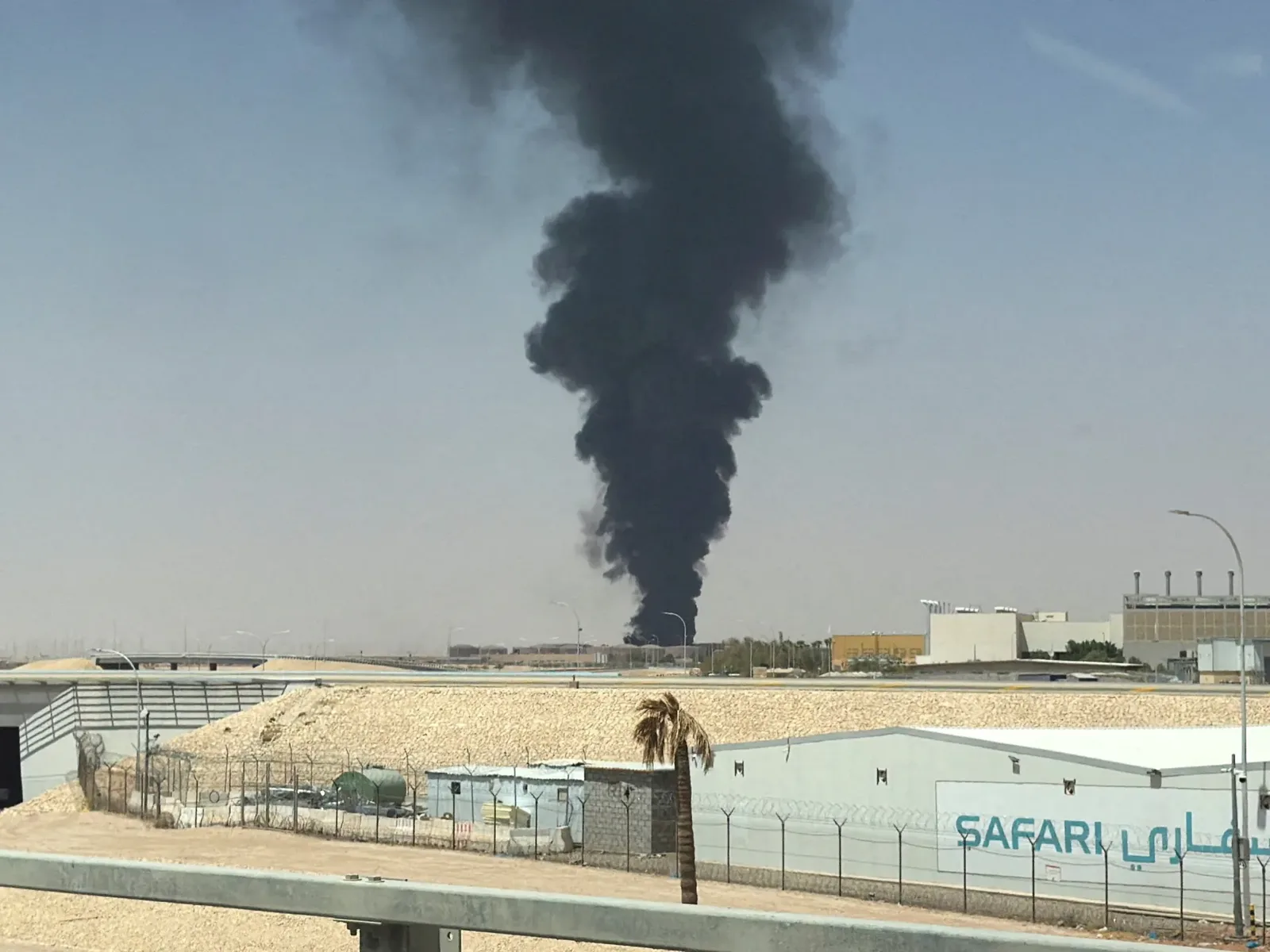
Saudi Arabia has faced significant challenges from Houthi forces, which have launched drone and missile strikes targeting key locations, including Riyadh and the holy cities of Makkah and Madinah. While the combined military capabilities of Saudi Arabia, Pakistan, and Turkey appear formidable on paper, experts warn that the terrain in Yemen favors the Houthis, who possess extensive underground facilities and a decentralized command structure. Previous military campaigns, including extensive airstrikes by Saudi Arabia, have failed to eliminate the Houthi threat, leading analysts to question the feasibility of a decisive military victory.
The implications of the Mecca pact extend beyond immediate military considerations. Should the alliance succeed in enhancing Saudi defenses and inflicting damage on Houthi forces, it could shift the balance of power in the region. However, experts argue that a more sustainable solution lies in diplomatic negotiations rather than military confrontation. The Houthis have evolved into a well-organized military and political entity, making outright defeat increasingly unlikely.
Looking ahead, the effectiveness of the Mecca pact will depend on the strategic objectives set by Saudi Arabia and its allies. While the coalition may bolster Saudi defenses and support Yemeni government forces, the complexities of the conflict suggest that a limited military engagement focused on specific goals may be more prudent than an all-out offensive aimed at conquering Houthi-held territories. As the situation develops, the international community will be closely monitoring the outcomes of this renewed military collaboration.