Indian and Chinese Military Leaders Convene in Arunachal Pradesh
High-level discussions aim to de-escalate tensions along the disputed border as winter approaches.
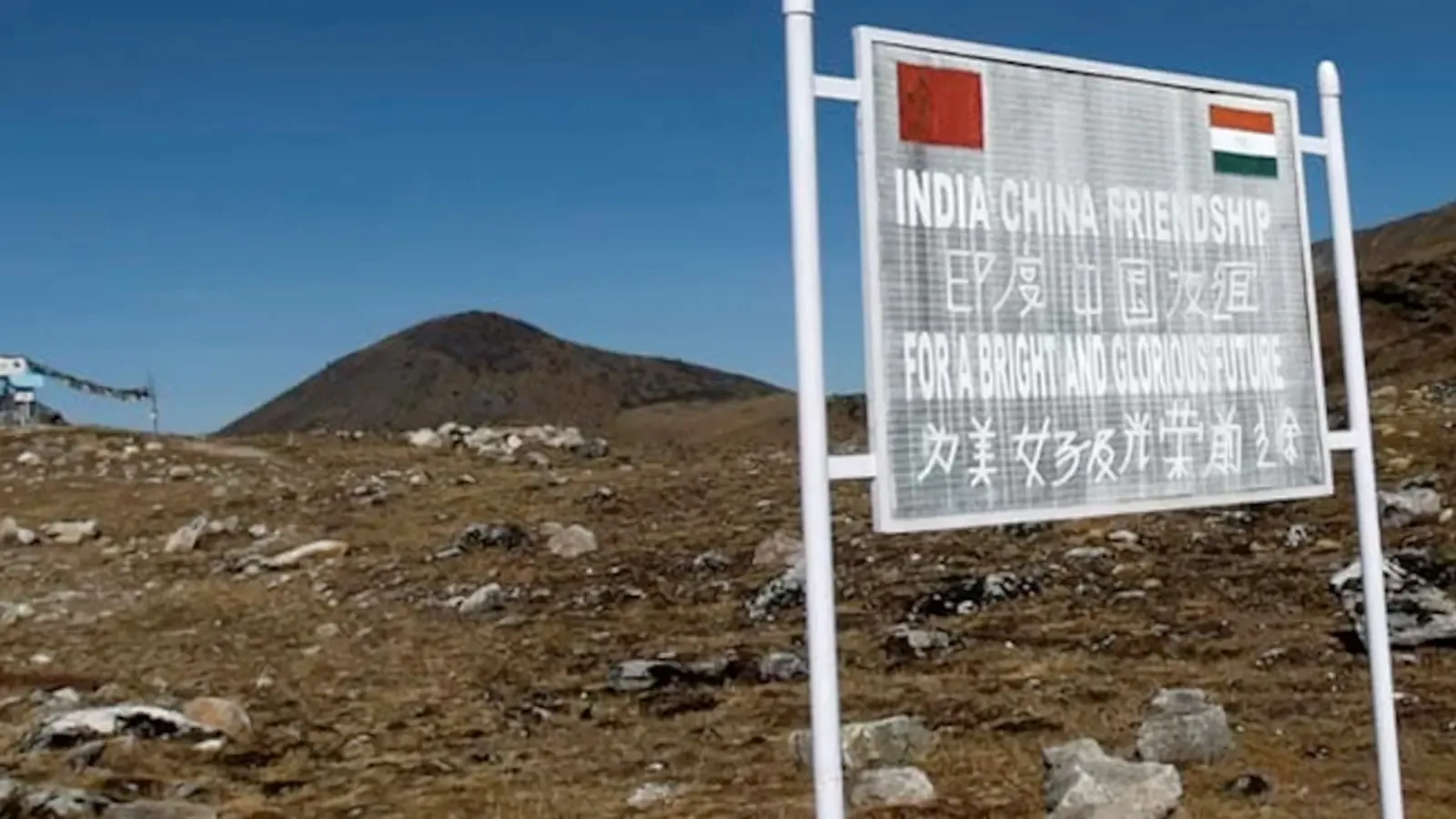
Indian and Chinese commanders met to establish engagement protocols to prevent confrontations.
The meeting follows previous military clashes and ongoing tensions along the Line of Actual Control.
Arunachal Pradesh remains a flashpoint due to China's non-recognition of the McMahon Line.
In a bid to ease rising tensions along the contested border in Arunachal Pradesh, military leaders from India and China engaged in high-level talks on December 13. The discussions were led by Lieutenant General Girish Kalia, who commands the Indian Army's III Corps, and included his Chinese counterpart along with other military officials. The meeting aimed to establish clear protocols for military engagement, ensuring that patrol parties avoid friction and that communication lines remain open to prevent local confrontations from escalating into larger military standoffs.
This round of talks marks a continuation of diplomatic efforts following a previous Corps Commander-level meeting held on September 6 and 7. The discussions took place at the Wacha-Damai border personnel meeting points, which are strategically significant for both nations. The September meeting was prompted by reports of heightened tensions in the Taksing area of Arunachal's Upper Subansiri district, highlighting the ongoing volatility in the region.
Both countries have deployed significant military resources in Arunachal Pradesh, with the challenging mountainous terrain complicating operations as winter approaches. Recent statements from retired officials, including Shatrujeet Kapur, former Director General of the Indo-Tibetan Border Police, have confirmed ongoing face-offs between Indian and Chinese troops at multiple locations along the border, emphasizing the need for continued military and diplomatic communication to manage these tensions effectively.
The implications of these military talks extend beyond immediate border concerns. The situation in Arunachal Pradesh is rooted in historical disputes, particularly China's refusal to recognize the McMahon Line, which India considers its legitimate boundary. This disagreement has led to repeated confrontations between patrols from both sides, with Arunachal Pradesh Chief Minister Pema Khandu acknowledging that transgressions have occurred due to the undefined nature of the border. He reiterated that the Indian armed forces are actively safeguarding the frontier.
Looking ahead, both nations are expected to continue their diplomatic engagements to stabilize relations and prevent further military confrontations. The recent meetings signal a commitment to maintaining peace along the border, but the absence of a mutually agreed boundary remains a significant challenge. As both countries navigate these complex dynamics, the potential for friction along the Arunachal Pradesh frontier persists, necessitating vigilance and adherence to established agreements.