Mecca Defence Alliance Delegation Meets in Tehran Amid Rising Tensions
Senior officials from Saudi Arabia, Pakistan, and Turkiye convene in Tehran to address escalating conflicts involving Iran and Yemen.
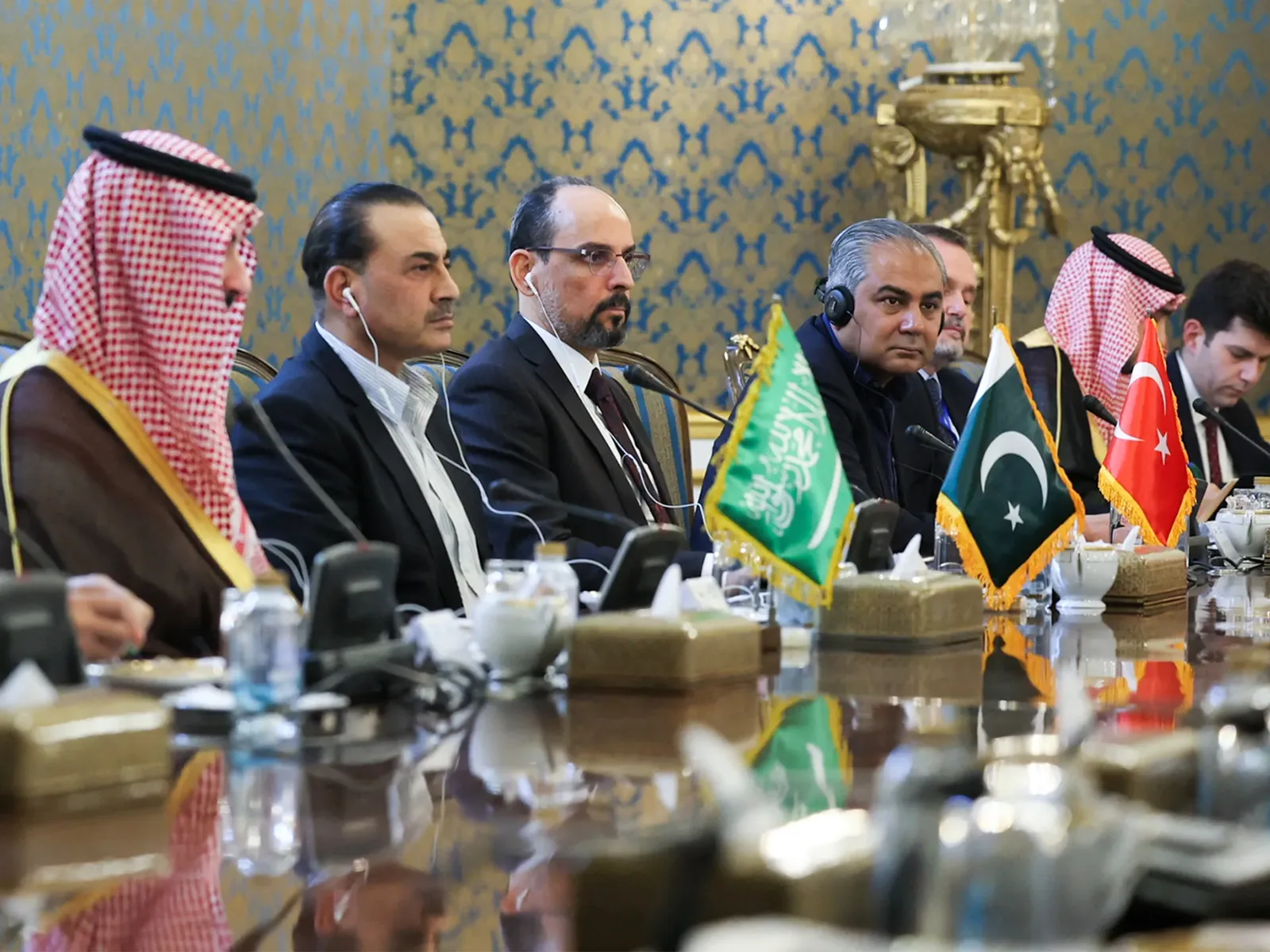
High-profile meetings in Tehran focus on regional security and Houthi threats.
Saudi Arabia seeks to strengthen alliances amid US-Iran tensions.
Experts caution that negotiations may not significantly alter Iran's strategic stance.
On October 26, 2026, a delegation comprising senior officials from Saudi Arabia, Pakistan, and Turkiye convened in Tehran to discuss pressing regional security issues, particularly the ongoing conflict in Yemen and escalating tensions between the United States and Iran. This meeting marks a significant diplomatic effort as the representatives seek to navigate the complexities of the current geopolitical landscape.
The backdrop of this meeting is the Mecca Joint Defence Agreement, which aims to foster collaboration among the three nations in addressing mutual security concerns. Saudi Defence Minister Khalid bin Salman Al Saud, Pakistani military chief General Syed Asim Munir, and Turkish intelligence chief Ibrahim Kalin engaged in discussions with Iranian President Masoud Pezeshkian and other senior officials. The focus is primarily on countering the advances of Houthi rebels in Yemen, who have been launching missile and drone attacks against Saudi Arabia, a nation that supports Yemen's internationally recognized government.
Analysts suggest that the discussions are critical in light of recent aggressive posturing from the US, which is contemplating new military actions against Iran. Ali Vaez from the International Crisis Group noted that the visit represents an attempt to foster compromise before potential military escalation. However, experts like Ayesha Siddiqa have expressed skepticism regarding the effectiveness of these talks, emphasizing that Saudi Arabia's allies may not be in a position to commit ground troops in Yemen, limiting their options.
The implications of these discussions extend beyond immediate military concerns, as they reflect broader regional dynamics. The Iranian government has expressed a preference for security arrangements that originate within the region, which could influence future diplomatic engagements. Umer Karim, a researcher on Saudi foreign policy, indicated that while the Tehran meetings may not significantly reduce the risk of renewed conflict, they could serve to bolster Saudi Arabia's security posture amid ongoing threats.
Looking ahead, the outcome of these talks remains uncertain. While there is cautious optimism about the potential for limited agreements, particularly regarding Yemen, the entrenched positions of the involved parties suggest that substantial breakthroughs may be elusive. As the situation evolves, the Mecca Defence Alliance will likely continue to seek ways to mitigate risks and navigate the complex geopolitical landscape in the region.