Lula Secures Unprecedented Fourth Presidential Term in Brazil
Luiz Inacio Lula da Silva defies expectations to win Brazil's runoff election, marking a significant political comeback.
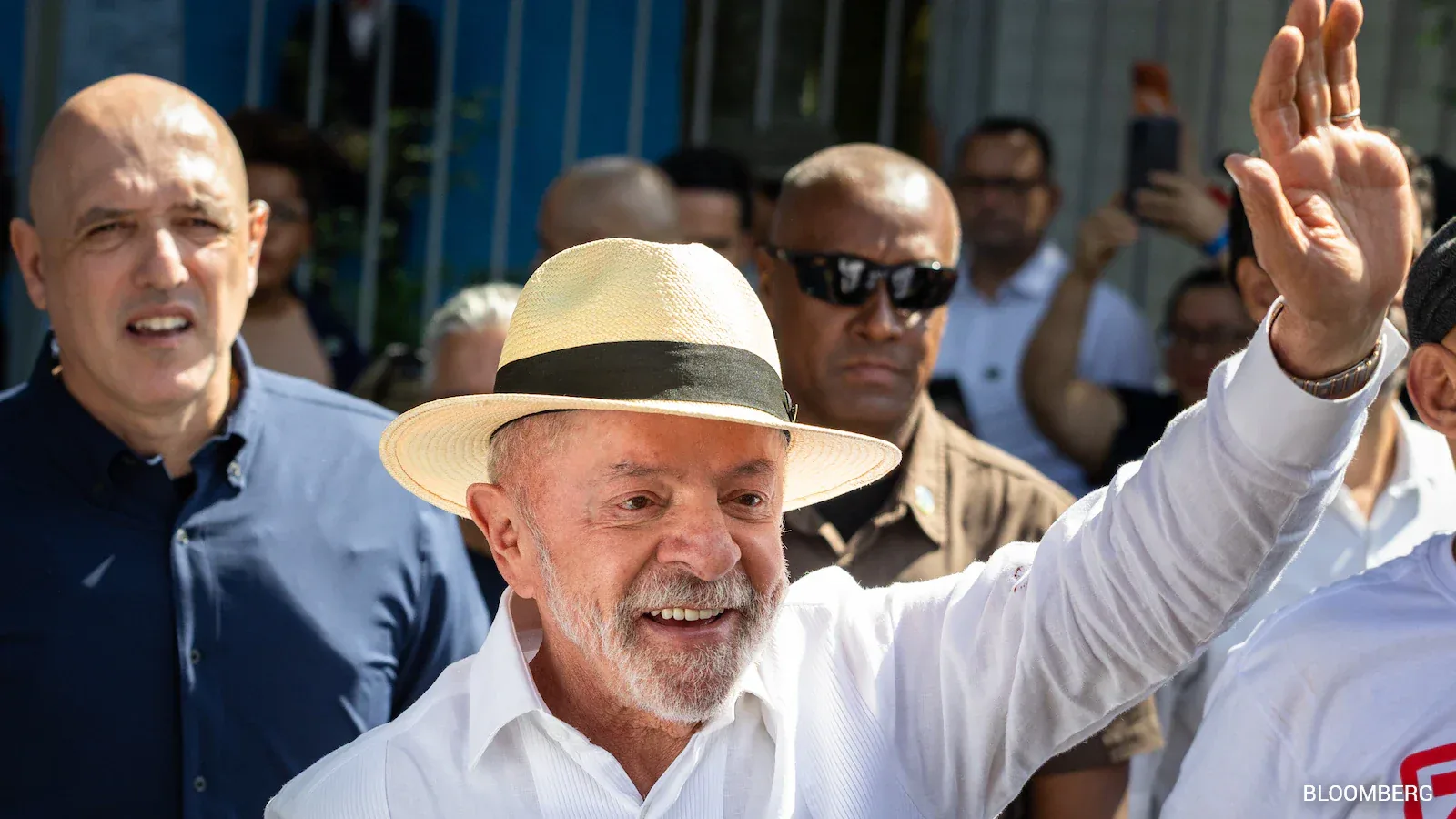
Lula won the runoff election with 51.8% of the vote against Flavio Bolsonaro's 48.2%.
His victory represents a rejection of right-wing politics in Brazil and a challenge to Bolsonaro's influence.
Lula faces significant economic challenges, including rising debt and inflation, as he begins his fourth term.
Luiz Inacio Lula da Silva has emerged victorious in Brazil's recent runoff election, securing a historic fourth term as president. The electoral court confirmed his win with 51.8% of the votes, compared to 48.2% for Flavio Bolsonaro, despite a tumultuous election day marked by allegations of voter suppression. Lula's triumph is seen as a significant political comeback, halting the right-wing momentum that has been sweeping across Latin America.
Lula's political journey spans over four decades, and his reelection comes as a surprise to many who believed his career was nearing its end. His victory not only delivers a blow to the Bolsonaro political dynasty but also signals a broader rejection of right-wing populism in Brazil. Political analysts suggest that this election was less about support for Lula and more about a collective rejection of Bolsonaro's policies and ideologies.
In the wake of Lula's win, financial markets are bracing for volatility, with investors concerned about the implications of his presidency on Brazil's economy. Lula's administration will need to navigate significant economic challenges, including high inflation and rising public debt. The president has promised to address these issues while maintaining his commitment to social programs, which may create tension with financial markets.
Lula's reelection is particularly significant given the deep ideological divides within Brazil. His leadership style and policies have historically focused on social justice and economic equality, contrasting sharply with Bolsonaro's conservative approach. As Lula takes office again, he faces the daunting task of uniting a polarized nation and addressing pressing economic concerns that have left many Brazilians struggling financially.
Looking ahead, Lula's administration will need to act swiftly to reassure investors and stabilize the economy. With a focus on critical industries and social welfare programs, Lula aims to foster a more inclusive economic environment. His ability to build coalitions and navigate the complex political landscape will be crucial as he embarks on this new chapter in his long political career.