Lula Secures Historic Fourth Term in Brazil's Presidential Election
Luiz Inacio Lula da Silva triumphs over Flavio Bolsonaro, marking a significant comeback in Brazil's political landscape.
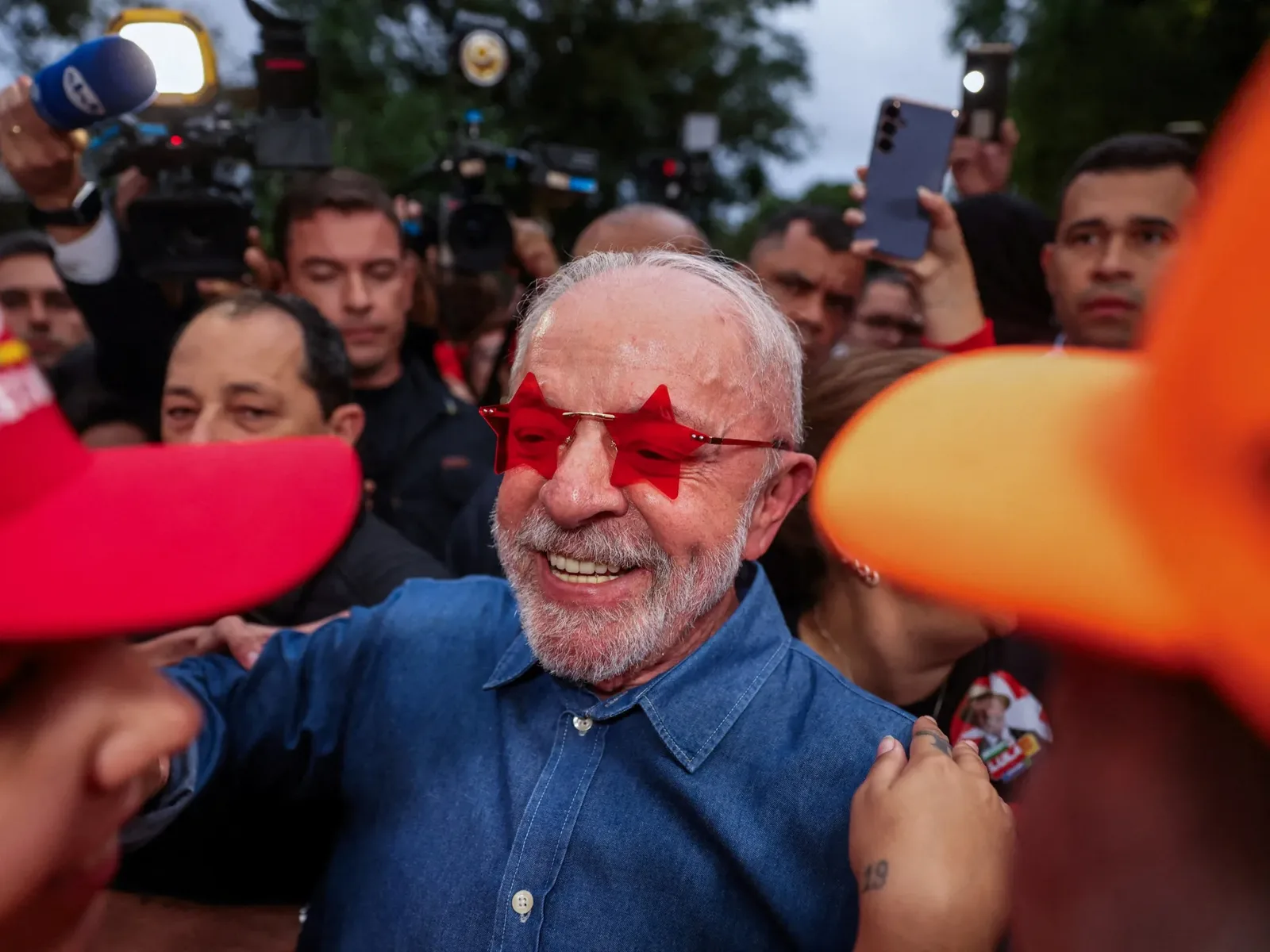
Lula wins with over 51% of the vote, defeating Bolsonaro's 48%.
This victory marks Lula's unprecedented fourth non-consecutive term.
Allegations of voter suppression and transport disruptions were reported during the election.
Luiz Inacio Lula da Silva has successfully secured a historic victory in Brazil's presidential election, defeating right-wing Senator Flavio Bolsonaro. The decisive win was announced shortly after 9:00 PM Brasilia time on Sunday, with Lula garnering more than 51% of the votes cast, translating to over 64 million ballots. This outcome is particularly remarkable as it follows Lula's unexpected loss in the first round of voting, which had energized Bolsonaro's supporters.
The election results come at a time of heightened political tension in Brazil, where Lula's comeback is seen as a pivotal moment for the left. In the first round held on October 4, Lula received 45% of the votes compared to Bolsonaro's 47%, necessitating a runoff. Lula's campaign gained momentum in the weeks leading up to the runoff, focusing on pressing issues such as the cost of living and a recent constitutional amendment aimed at reducing the workweek.
In his victory speech, Lula acknowledged the challenges ahead, particularly in navigating a Congress that leans heavily to the right. He expressed gratitude to voters for their support in preserving democracy, stating, "I do not choose the Congress; it was the people who chose it." Lula's victory is historic, as no Brazilian politician has previously lost in the first round and won in the second, marking a significant achievement in the country's democratic process.
The implications of Lula's win extend beyond Brazil, as leaders across the Western Hemisphere, especially from the left, have celebrated the outcome. Mexican President Claudia Sheinbaum and U.S. Senator Bernie Sanders both praised Lula's re-election, emphasizing its importance for democracy. However, the election process was not without controversy, as reports emerged of voter suppression tactics, including reduced public transport availability in areas with high working-class populations, which could have impacted voter turnout.
Looking ahead, Lula is set to be inaugurated on January 5, 2027, at the age of 80, making him the oldest president to take office in Brazil's democratic history. His administration will face the challenge of advancing its legislative agenda amid a Congress that may resist his initiatives. Additionally, the reaction from Bolsonaro's supporters and potential repercussions from the Trump administration remain uncertain, as Bolsonaro has hinted at contesting the election results. Lula's victory, however, solidifies his position as a key figure in Brazil's political landscape, with significant implications for the future of the country and its governance.