Knesset Set to Elect New Speaker Amid Opposition Momentum
The anti-Netanyahu bloc in Israel prepares to elect a new Knesset speaker, aiming for significant political change.
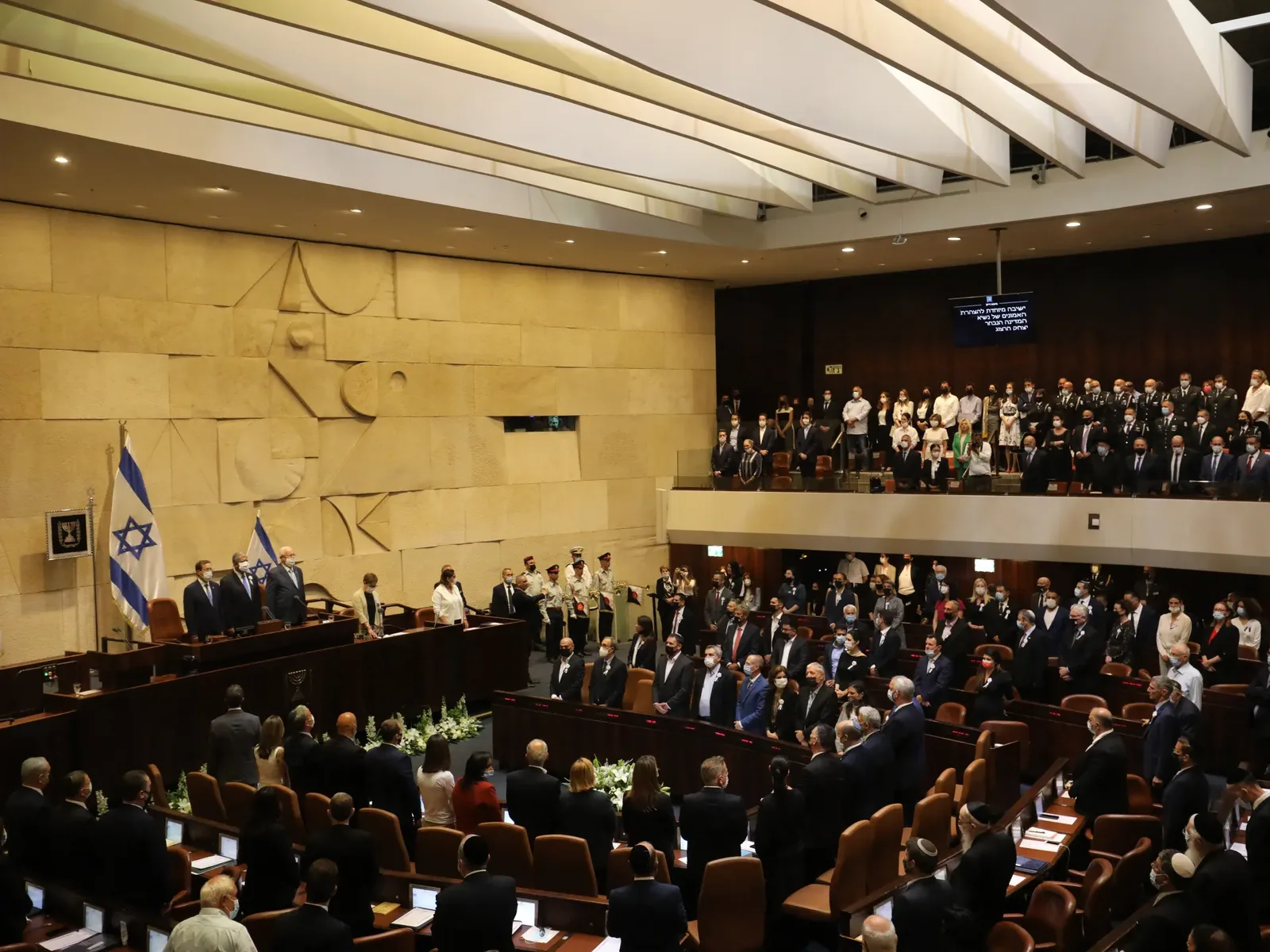
The anti-Netanyahu bloc is poised to elect Matan Kahana as the new Knesset speaker.
This election is seen as a pivotal moment for legislative change in Israel.
Key legislation, including a two-term limit for prime ministers, is on the agenda.
In a significant political development, the Israeli Knesset is preparing to elect a new speaker, with the anti-Netanyahu coalition poised to play a crucial role in this process. The election is scheduled for Tuesday, and the opposition bloc, led by Gadi Eisenkot, aims to leverage this position to initiate substantial changes within the government and its institutions.
The context of this election stems from the recent Israeli elections, where the anti-Netanyahu bloc emerged with a mandate to challenge the long-standing leadership of Prime Minister Benjamin Netanyahu. Eisenkot, now recognized as the de facto leader of the opposition, has rallied support among various factions to ensure a united front in electing a speaker who aligns with their vision for change. This election is not merely procedural; it represents a strategic move to reshape the legislative agenda and challenge the existing power dynamics.
Matan Kahana, a member of Eisenkot's Yashar party, is the favored candidate for the speaker position. His political experience includes previous terms in the Knesset and affiliations with various political alliances, which positions him as a capable leader who can navigate the complexities of Israeli politics. The support from Arab-led parties, including the Joint List, further solidifies his candidacy, as they have pledged to back Kahana to ensure a majority in the vote.
The implications of this election extend beyond the speaker's role. The anti-Netanyahu bloc is eager to introduce critical legislation, including an independent inquiry into the Hamas-led attacks on October 7, 2023, which has been obstructed by the Netanyahu coalition. Additionally, they aim to restore the powers of the attorney general and propose a two-term limit for the premiership, which would prevent Netanyahu from returning to power. These legislative efforts reflect the broader desire among the electorate for accountability and reform in governance.
Looking ahead, the election of a new speaker could set the stage for a series of legislative initiatives that challenge Netanyahu's legacy. As negotiations continue among coalition members, the anti-Netanyahu bloc is determined to capitalize on this moment to implement changes that resonate with the public's demand for a new direction in Israeli politics.