JD Vance Addresses Controversial 'Indentured Servants' Comment Amid H-1B Visa Debate
US Vice President JD Vance clarifies his remarks on H-1B visa workers, emphasizing the need for a balanced immigration system.
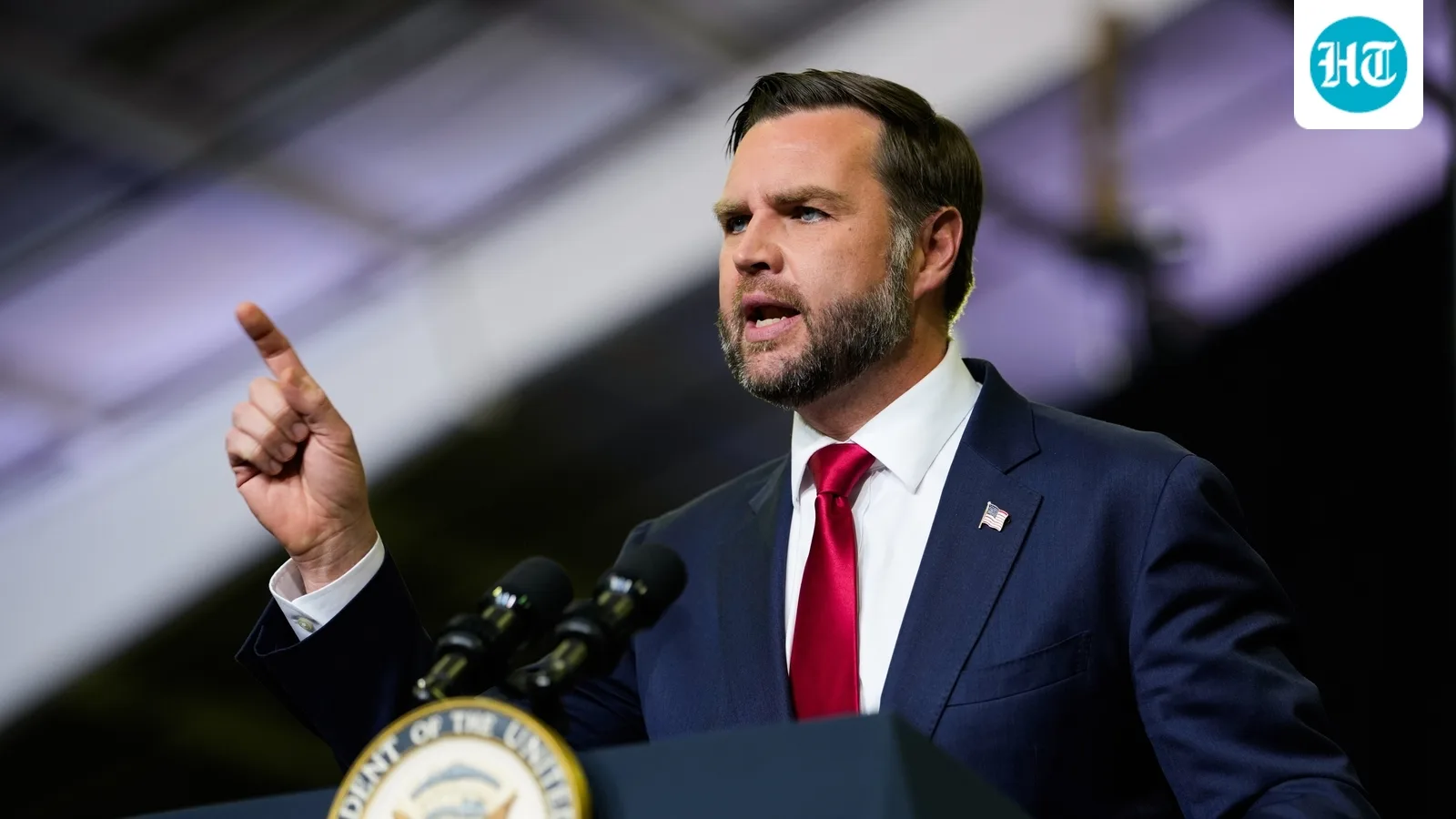
Vance referred to H-1B workers as 'foreign indentured servants' but later clarified his statement.
The Trump administration has suspended several Indian IT firms from the green card application process.
India condemned Vance's comments, stating they misrepresent the contributions of Indian professionals.
US Vice President JD Vance recently faced backlash for his comments referring to H-1B visa workers as 'foreign indentured servants.' During a discussion, he invoked his South Indian in-laws to clarify his stance, asserting his affection for them while advocating for a more balanced immigration policy. Vance acknowledged that his wording may not have been ideal, but he stressed the importance of welcoming immigrants who contribute positively to the economy.
The context of Vance's remarks comes amid significant changes in the US immigration landscape. Earlier this month, the Trump administration announced a suspension affecting several companies, including major Indian IT firms like Microsoft, Infosys, and TCS, from the Permanent Labor Certification Program (PERM). This program is crucial for foreign workers seeking green cards, as it allows companies to sponsor employees already working in the US under various visa categories.
Vance's comments drew immediate criticism, particularly from the Indian government, which labeled his comparison of Indian professionals to indentured servants as offensive. The Ministry of External Affairs in India emphasized that Indian workers are skilled and educated contributors to the US economy, countering the narrative that they are merely filling low-skilled jobs.
The implications of Vance's statements and the administration's actions are significant for both the Indian community in the US and the broader immigration debate. Many argue that such rhetoric undermines the contributions of skilled workers and could lead to increased tensions between the US and India. The suspension of green card applications for Indian IT firms raises concerns about the future of these companies and their employees in the US market.
Looking ahead, Vance's call for a balanced immigration system suggests potential policy discussions in the near future. As the administration navigates the complexities of immigration reform, the impact on Indian professionals and the tech industry will likely remain a focal point. Stakeholders are keenly watching how these developments unfold and what measures will be introduced to address the concerns raised by both American and immigrant workers.