ISRO's NVS-03 Satellite Launch: A Critical Step for NavIC
The launch of the NVS-03 satellite marks a pivotal moment for India's NavIC system, aiming to enhance its navigation capabilities.
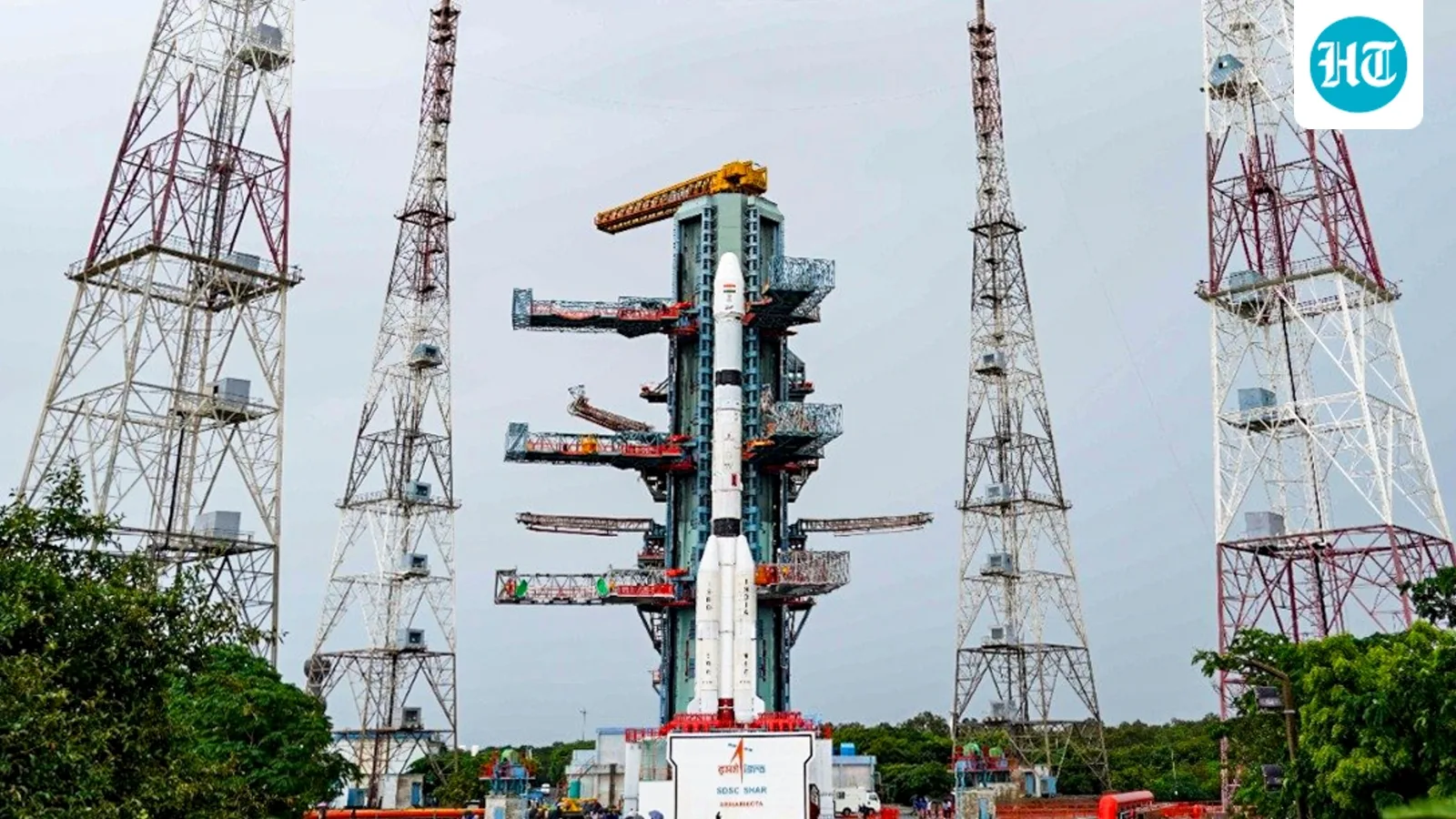
NVS-03 was launched on Friday to strengthen NavIC, India's GPS alternative.
NavIC currently operates with only three satellites, insufficient for accurate positioning.
The satellite's success is crucial for restoring independent navigation services across India.
The Indian Space Research Organisation (ISRO) successfully launched the NVS-03 satellite at 11:51 PM on Friday from the Satish Dhawan Space Centre in Sriharikota. This mission is vital for bolstering NavIC (Navigation with Indian Constellation), India's indigenous navigation system, which has faced significant challenges, including a lack of operational satellites since March 2023, limiting its ability to provide accurate positioning without reliance on foreign navigation systems.
NavIC was developed in response to India's need for an independent navigation system, reducing dependence on foreign systems like the US's GPS. The initiative began in 2006, aiming to establish a satellite-based navigation system over India and its surrounding regions. However, the project has encountered setbacks, including failures of atomic clocks and lost satellites during launches, which have hindered its operational capacity. Currently, only three satellites are functioning, one less than the minimum required for effective navigation services.
The NVS-03 satellite is designed to rectify some of these issues by providing essential navigation signals. It includes advanced technology, such as an Indian-made atomic clock, which is crucial for accurate timekeeping and positioning. The satellite's successful deployment is expected to restore NavIC's capability to provide positioning services independently, as it requires at least four operational satellites. The Indian government has emphasized the importance of NavIC for various sectors, including banking and defense, which rely on precise timing and navigation.
The implications of the NVS-03 launch extend beyond just navigation. With its signals available for civilian use, NavIC aims to enhance safety and efficiency in transportation, agriculture, and disaster management. The system is designed to cover a region extending 1,500 km beyond Indian borders, making it a strategic asset for the country. The successful operation of NVS-03 could also pave the way for future advancements, including the potential for a global navigation system as ISRO plans to develop satellites in medium Earth orbit.
Looking ahead, ISRO is focused on ensuring the operational success of NVS-03 and addressing the challenges faced by NavIC. The agency has implemented corrective measures following previous satellite failures and is optimistic about the satellite's performance. If NVS-03 successfully reaches its designated orbit, it will significantly enhance India's navigation capabilities and contribute to the broader goal of establishing a reliable and independent navigation system for the nation.