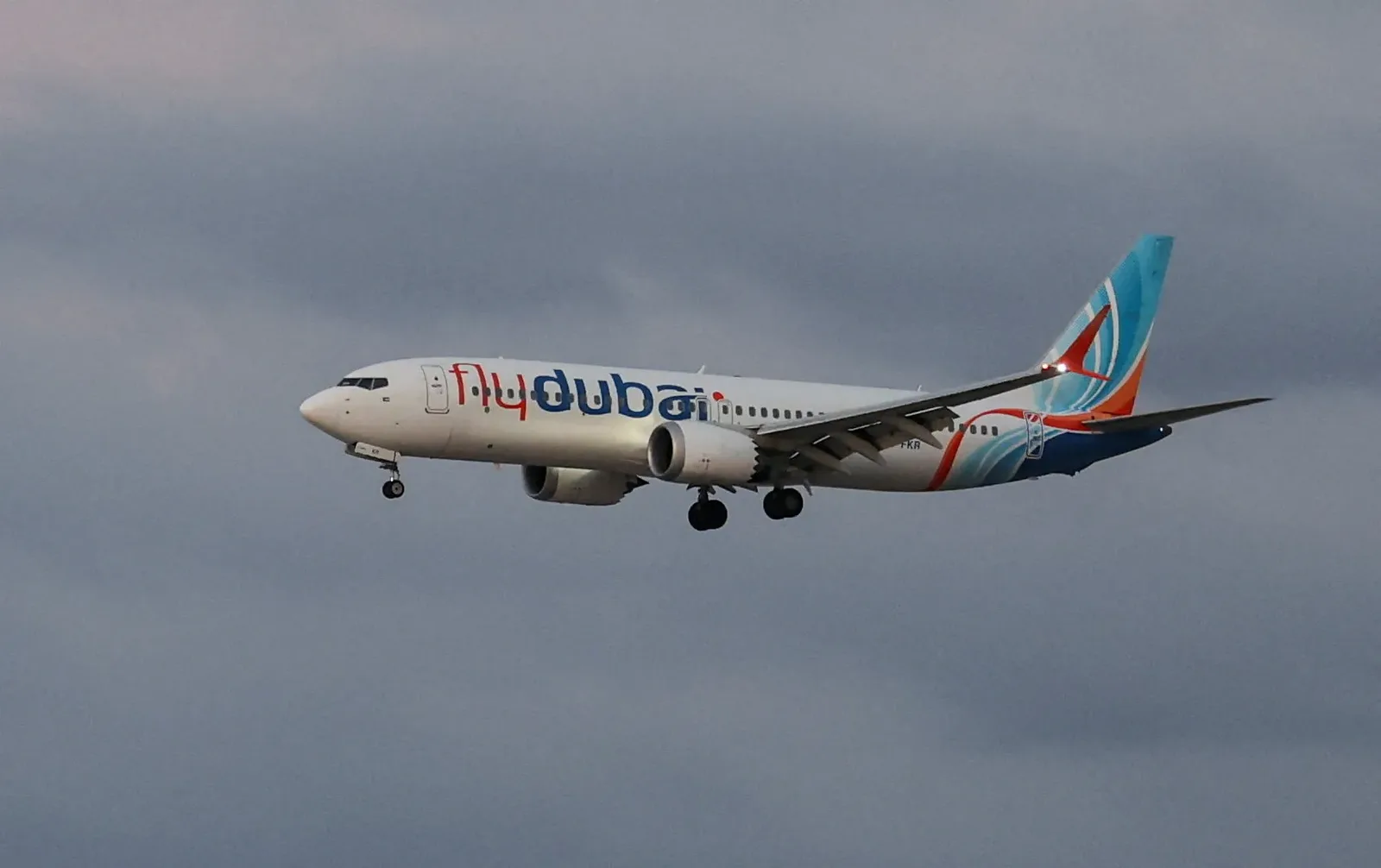
Israeli Transport Minister Under Fire After Flydubai Incident
Pressure mounts on Transport Minister Miri Regev following a serious security breach involving a flydubai flight.

Israeli PM Netanyahu faces calls to dismiss Transport Minister Miri Regev.
Concerns raised about inadequate security checks on foreign pilots for years.
The flydubai incident involved an attempted attack by an Omani co-pilot.
In the wake of a serious incident involving a flydubai flight, Israeli Prime Minister Benjamin Netanyahu is under increasing pressure to dismiss Transport Minister Miri Regev. The demand for her resignation follows revelations that an Omani co-pilot attempted to crash a plane bound for Tel Aviv, raising alarming questions about the security protocols in place for foreign flights. With general elections approaching, opposition leaders are vocal in their criticism, emphasizing the need for accountability in the wake of this security breach.
The controversy surrounding the flydubai flight stems from long-standing concerns regarding the Transportation Ministry's oversight of foreign airlines. Reports indicate that Israeli authorities had warned for years about the inadequacies in security checks, particularly regarding pilots from countries without diplomatic relations with Israel. A classified report from the state comptroller highlighted that the ministry had failed to meet its obligations in screening foreign flights, prompting calls for a thorough review of the security framework.
Internal documents revealed that the responsibility for screening foreign airlines was shifted from Israel's domestic intelligence agency, Shin Bet, to the Transportation Ministry's Civil Aviation Authority. Despite the transfer of responsibility, the ministry's security chief expressed concerns about the capacity to handle such significant security challenges. The National Security Council has since called for a collaborative team to reassess the security measures for international flights, but progress has been slow, with Shin Bet citing budgetary constraints.
The implications of this incident extend beyond immediate security concerns; they raise questions about the effectiveness of Israel's aviation security protocols. The incident has sparked a broader debate about the responsibilities of various government agencies in ensuring passenger safety. Opposition figures have pointed out that the Transportation Ministry is directly accountable for the security of foreign airlines, emphasizing that the failures in oversight cannot be attributed to other agencies.
Looking ahead, the upcoming elections on October 27 will likely intensify scrutiny on Netanyahu's government and its handling of aviation security. As investigations into the flydubai incident continue, the political fallout may lead to significant changes in leadership and policy regarding the oversight of foreign flights into Israel. The public and political leaders alike are awaiting the outcomes of these inquiries, which could reshape the landscape of aviation security in the country.