Israeli Elections: Opposition Bloc Leads with 52-53 Seats
Initial exit polls indicate a narrow advantage for the opposition in Israel's elections, with high voter turnout marking a pivotal moment.
Opposition bloc projected to secure 52-53 seats in Knesset.
Netanyahu's Likud remains the largest party but falls short of a majority.
High voter turnout reflects public sentiment against the current government.
In the latest Israeli elections held on October 27, 2026, initial exit polls reveal that the opposition bloc holds a slight lead over Prime Minister Benjamin Netanyahu's coalition. The projections suggest that the opposition could secure between 52 to 53 seats in the 120-member Knesset, while Netanyahu's camp is anticipated to win around 50 seats, with Likud emerging as the largest single party with 24 or 25 seats.
The exit polls, conducted by major Israeli media outlets including Channels 11, 12, and 13, indicate a significant shift in voter sentiment. Notably, Israeli Arab parties have also seen gains, with the Raam and Joint List expected to collectively win 17 or 18 seats, reflecting a robust turnout from their voter base. This marks a contrast to the previous election, where Likud had a stronger position with 32 seats, allowing it to form a coalition with far-right parties despite facing corruption allegations against Netanyahu.
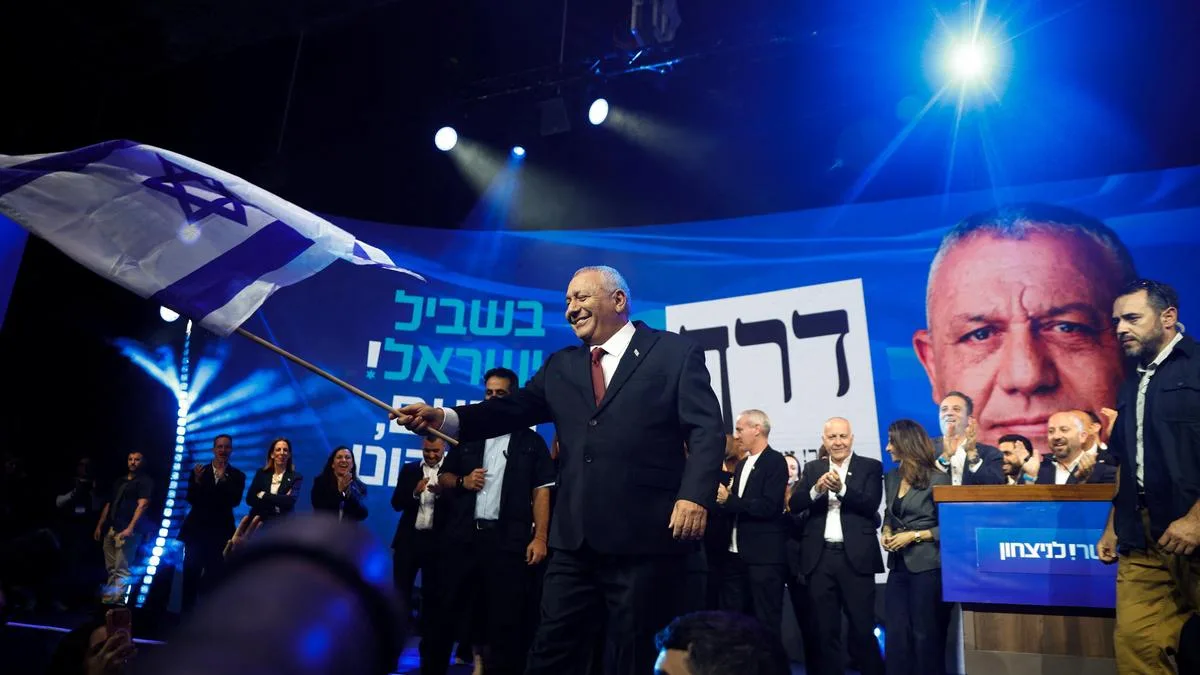
In this election cycle, mainstream right-wing parties have indicated a willingness to collaborate with Gadi Eisenkot's Yashar party, which is projected to gain between 21 to 23 seats. Eisenkot emphasized that the exit poll results demonstrate a lack of confidence in Netanyahu's leadership, while other opposition leaders claimed that the current government has faced a significant defeat.
The high voter turnout on October 27, characterized by a sense of urgency regarding the country's future, has been a crucial factor in these elections. Many voters expressed the belief that their participation was vital for shaping Israel's political landscape. Although Raam and the Joint List are not part of the opposition bloc, they have shown openness to supporting the opposition coalition.
Looking ahead, the political landscape in Israel remains uncertain as coalition negotiations are expected to unfold in the coming days. The results of this election could lead to significant changes in governance, particularly if the opposition successfully forms a coalition capable of unseating Netanyahu. The next steps will be closely monitored as parties strategize to secure a stable government in the Knesset.