Lula da Silva's WhatsApp Strategy: A Key to His Fourth Term
The re-election of Brazil's President Lula da Silva is attributed to a massive WhatsApp campaign led by Congressman André Janones.
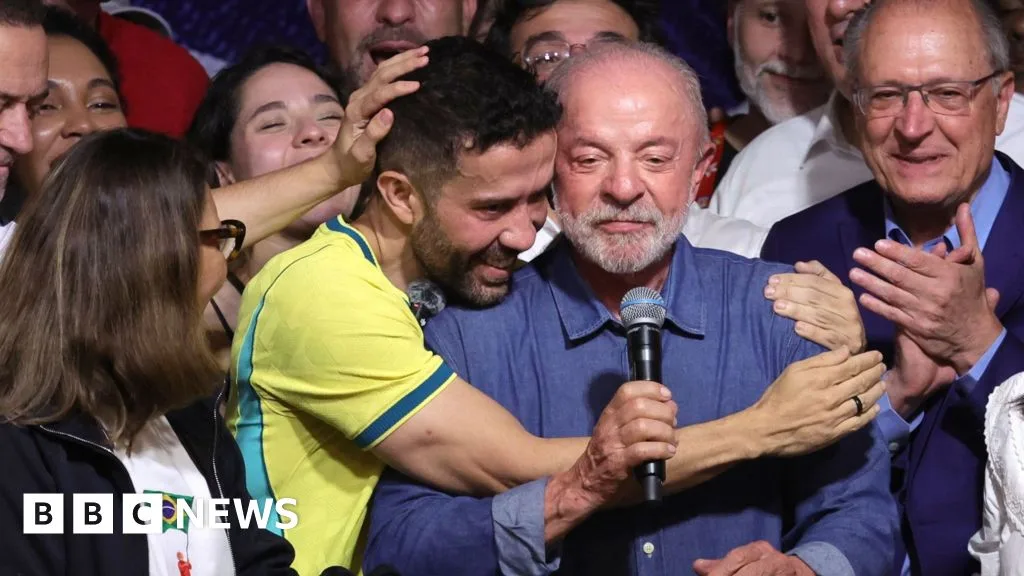
Lula secured his fourth presidential term in Brazil's recent elections.
A WhatsApp channel named 'Lula's Army' gained 10.8 million followers before the second round.
The campaign's digital outreach played a significant role in mobilizing voters.
In a remarkable political comeback, Luiz Inácio Lula da Silva has been re-elected as Brazil's president, marking his fourth term in office. His victory is largely credited to an innovative WhatsApp campaign orchestrated by Congressman André Janones. The channel, dubbed 'Lula's Army,' amassed an impressive 10.8 million followers by the time of the second electoral round, showcasing the power of social media in contemporary politics.
Historically, Lula's political journey has been tumultuous, with previous terms marked by significant economic growth and social programs, followed by a controversial imprisonment on corruption charges. His return to power comes at a time when Brazil faces numerous challenges, including economic recovery and social inequality. The 2022 elections were pivotal, and the use of digital platforms like WhatsApp has transformed traditional campaigning methods.
The 'Lula's Army' WhatsApp channel was instrumental in disseminating information, mobilizing supporters, and countering misinformation. Janones, who spearheaded the initiative, emphasized the importance of community engagement and grassroots mobilization in the campaign's success. The channel's rapid growth reflects a shift in how political messages are communicated, particularly among younger voters who are increasingly reliant on digital platforms for news and information.
The implications of this election extend beyond Lula's presidency. His administration is expected to prioritize social programs and environmental policies, particularly concerning the Amazon rainforest. The success of the WhatsApp campaign may inspire future political movements in Brazil and across Latin America, highlighting the potential of digital tools in shaping electoral outcomes.
Looking ahead, Lula's government will face the challenge of uniting a divided nation while addressing pressing issues such as poverty, healthcare, and climate change. The next steps will involve forming a cabinet and outlining a clear agenda that resonates with both his supporters and critics. As Brazil enters this new chapter, the role of digital communication in politics will likely continue to evolve, influencing future elections and governance strategies.