Israel's 2026 Election Results: Polls Close with Uncertain Outcome
As Israelis cast their votes, exit polls suggest a tight race, with final results expected in days.
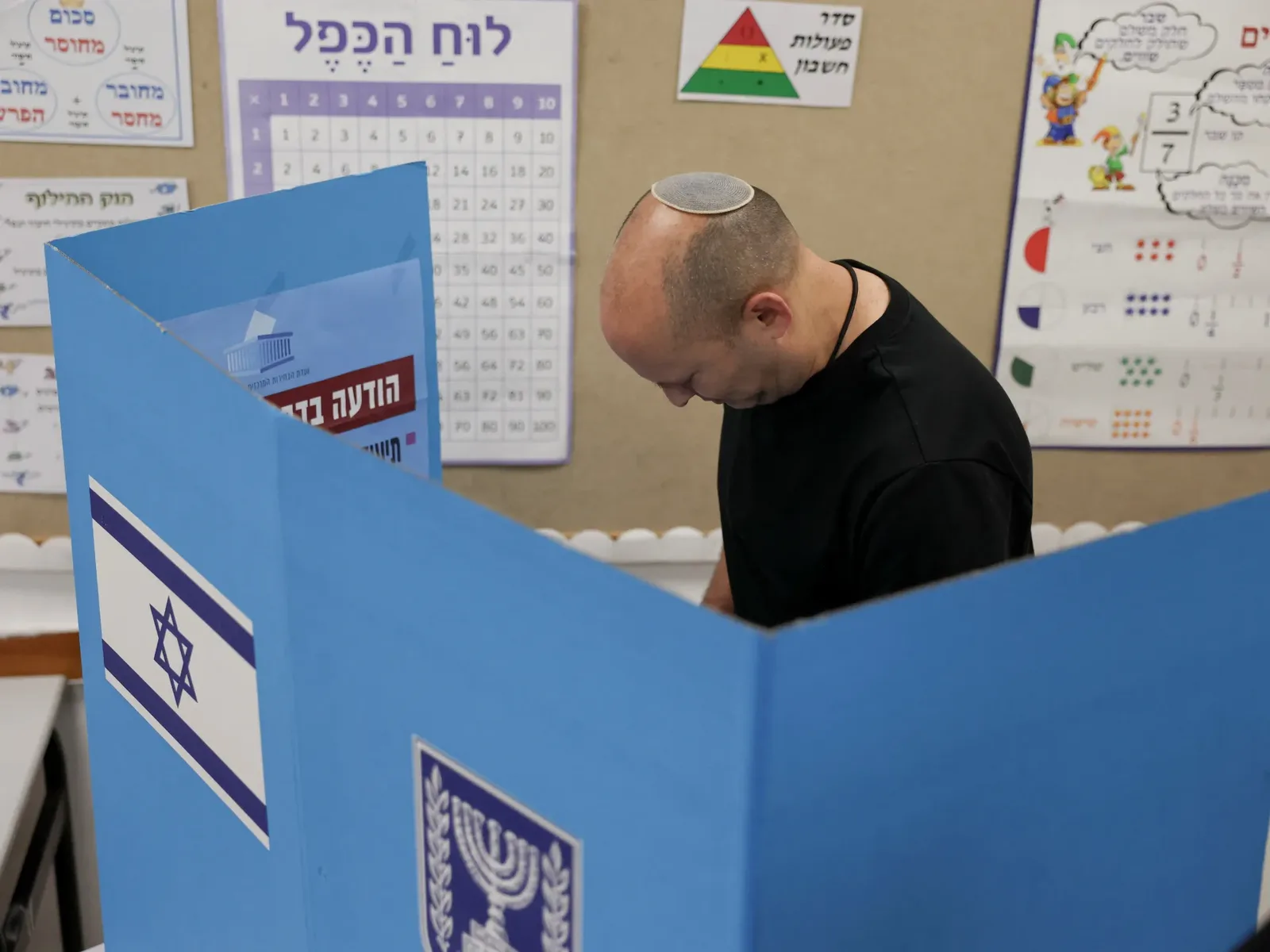
Voting in Israel's pivotal election began at 7 AM local time and ends at 10 PM.
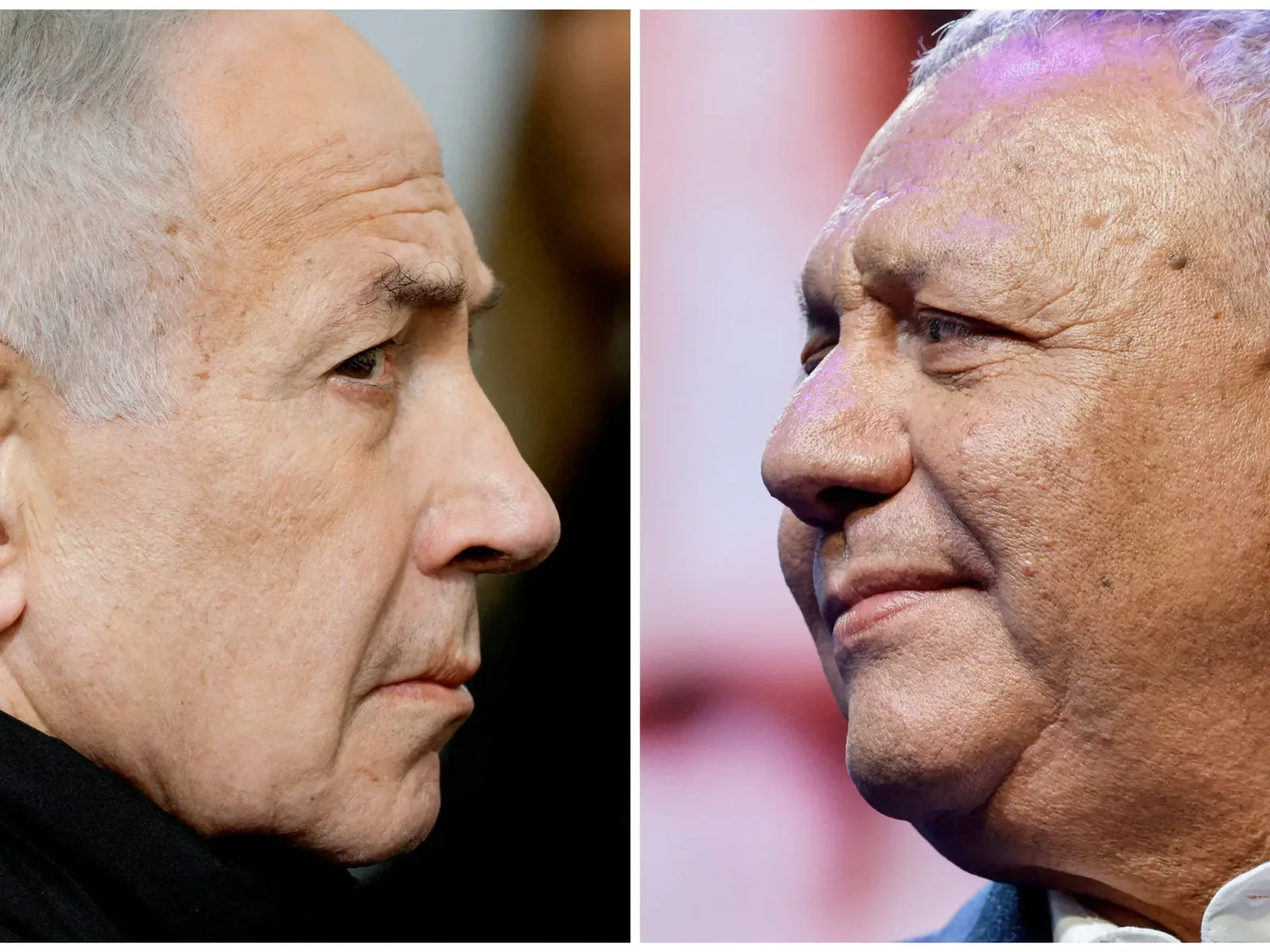
Exit polls indicate a close contest between Netanyahu's coalition and the opposition led by Gadi Eisenkot.
Official results are anticipated by November 4, with potential delays if no majority is achieved.
Israelis are participating in a crucial election today, marking the first vote since the October 7, 2023, Hamas attack that escalated conflict in the region. Polls opened at 7 AM local time and will close at 10 PM, with around 7.3 million eligible voters, including 1.2 million Palestinian citizens of Israel. The election is viewed as a pivotal moment for the country's future direction amidst ongoing violence and political turmoil.
This election comes at a time when Prime Minister Benjamin Netanyahu faces significant scrutiny over his government's response to the October attack and its handling of various domestic issues, including alleged corruption and military service disputes. Polling data suggests that Netanyahu's coalition may be neck and neck with the opposition bloc led by Gadi Eisenkot, with projections indicating a possible slight lead for Eisenkot's group.
According to recent surveys compiled by Haaretz, Netanyahu's coalition is expected to secure around 50 seats in the Knesset, while Eisenkot's bloc could achieve 54 seats. The Knesset consists of 120 seats, necessitating a majority of 61 for any coalition to govern effectively. As the polls close, news channels will begin broadcasting exit poll results, providing initial insights into the election outcome.
The electoral process in Israel operates under a proportional representation system, where voters select parties rather than individual candidates. The number of seats a party receives in the Knesset correlates directly with the percentage of votes it garners. For a party to gain representation, it must achieve at least 3.25% of the national vote, which complicates the final seat distribution, as numerous parties are vying for a place in the Knesset.
Once the final vote count is completed, President Isaac Herzog will consult with party leaders to determine the most viable candidate for prime minister. The nominated individual will have up to 42 days to form a government. If no coalition emerges, the current government will continue in a caretaker capacity, and new elections may be necessary if a workable majority cannot be established.