Iran Sets Seven Conditions for US Talks Amid Qatari Mediation
Iran insists on meeting seven preconditions before resuming negotiations with the US, as Qatari mediators arrive in Tehran.
Iran's parliament spokesman emphasizes that talks with the US are futile until seven conditions are met.
US President Trump faces a decision on whether to negotiate or escalate military action against Iran.
Diplomatic efforts to resolve tensions over the Strait of Hormuz remain stalled.
Iran has firmly stated that any negotiations with the United States will not progress until seven specific conditions are fulfilled. This declaration comes as Qatari mediators arrived in Tehran on Sunday to facilitate dialogue aimed at reducing regional tensions, according to reports from officials familiar with the situation.
The backdrop to these developments includes a history of strained relations between Iran and the US, particularly following the US withdrawal from the nuclear deal in 2018. Iran's parliament spokesman, Abbas Gouzardi, articulated that the current climate of negotiations is unproductive unless the outlined conditions are accepted by Washington. He criticized recent comments from US President Trump, which he described as mere threats lacking substance.
In a recent interview, Trump indicated that he is nearing a decision on whether to pursue a diplomatic agreement or to intensify military actions against Iran, especially in light of rising threats from Iranian and Houthi forces in the region. He stated, "I have a decision to make: Do I finish it off, which would be very easy to do, or do I make a deal?" This statement underscores the precarious balance between diplomacy and military readiness.
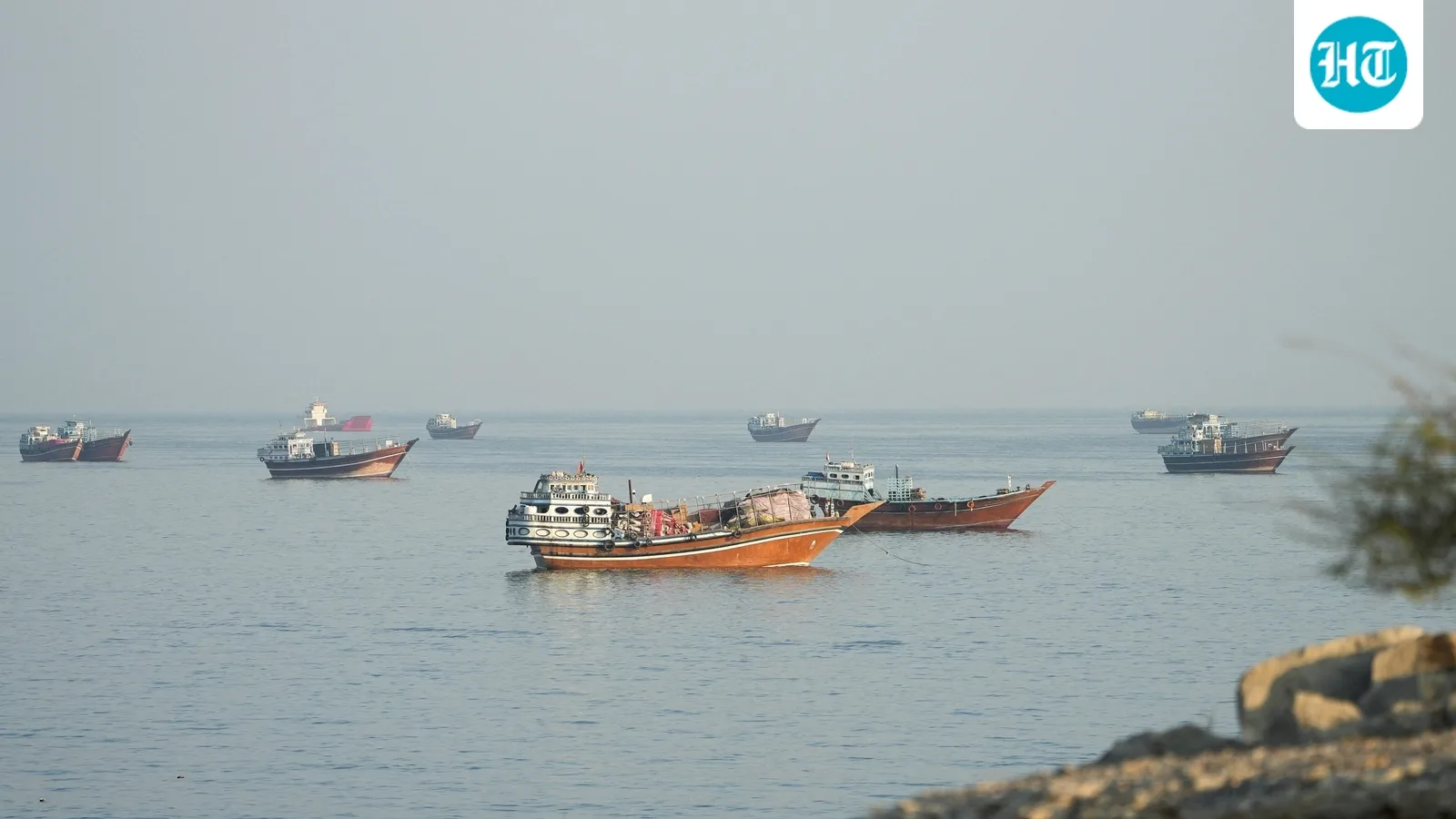
The implications of this standoff are significant, particularly concerning the Strait of Hormuz, a vital maritime route for global oil shipments. The ongoing diplomatic deadlock raises concerns about potential escalations in military confrontations, especially as Trump has hinted at the possibility of resuming strikes post the upcoming midterm elections. The deployment of additional US military assets in the Persian Gulf, including a third aircraft carrier group, further heightens tensions in the region.
Looking ahead, the situation remains fluid as both sides appear entrenched in their positions. The involvement of Qatari mediators may provide a platform for dialogue, but without a shift in US policy regarding Iran's conditions, meaningful negotiations seem unlikely. Observers will be closely monitoring the developments in the coming weeks as the geopolitical landscape continues to evolve.