Iran's Foreign Minister Signals Possible Shift in Nuclear Policy
Iran's FM Araghchi hints at a potential reevaluation of the country's nuclear doctrine amid ongoing tensions with the U.S.
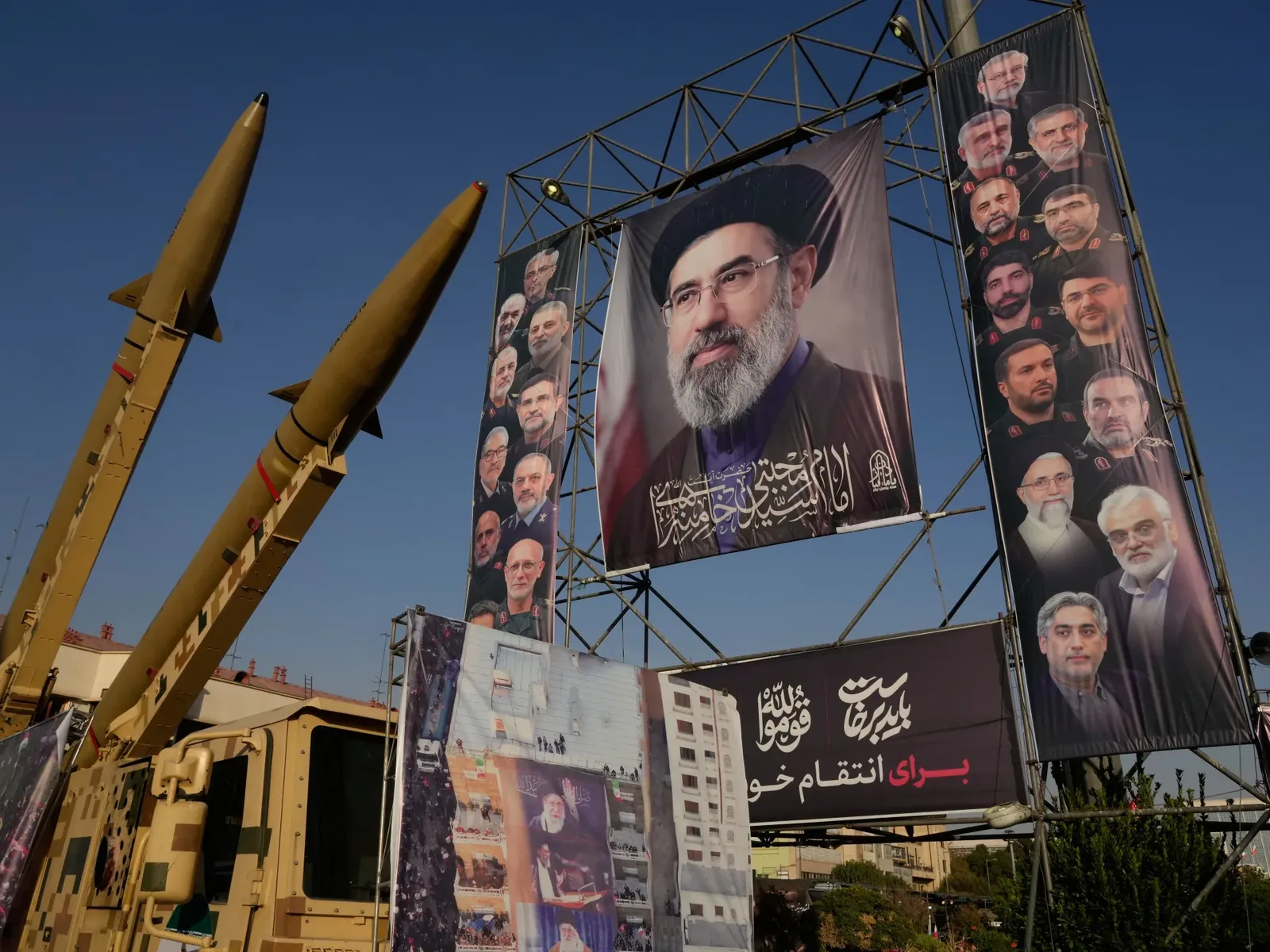
Iran's Foreign Minister suggests a debate on nuclear policy is underway.
Current stockpile of enriched uranium exceeds levels needed for power generation.
Any official policy change could have significant regional and global implications.
Iran's Foreign Minister Abbas Araghchi has indicated that there may be a significant shift in the country's nuclear policy, which has traditionally focused on civilian applications. During a recent interview, he stated that the stockpile of enriched uranium will be utilized according to the nation's needs, raising concerns about a potential move away from its longstanding commitment to a civil-only nuclear program.
Historically, Iran has maintained that its nuclear ambitions are strictly for peaceful purposes, such as electricity generation and medical research. This stance is supported by a fatwa issued by the late Ayatollah Ali Khamenei, which prohibits the development of nuclear weapons. However, Iran asserts its right to enrich uranium under the Treaty on the Non-Proliferation of Nuclear Weapons (NPT), a position it describes as non-negotiable.
In his remarks, Araghchi emphasized that the enriched uranium stockpile, estimated by the International Atomic Energy Agency (IAEA) to be around 440 kilograms at about 60% purity, would be used as needed. This level of enrichment is significantly higher than what is required for civilian energy production, which is approximately 3%. The debate within Iran regarding its nuclear doctrine has intensified, with some officials suggesting that the current approach has failed to adequately protect the nation’s nuclear facilities from external threats.
The implications of a potential policy shift are profound, particularly in the context of ongoing conflicts involving the U.S. and Israel. Washington has insisted on guarantees that Iran will not develop nuclear weapons as a precondition for any ceasefire agreement. A change in Iran's nuclear stance could complicate diplomatic negotiations and escalate tensions further, as both the U.S. and Israel view Iran's nuclear capabilities as a direct threat.
Looking ahead, the future of Iran's nuclear policy remains uncertain. While Araghchi has stated that the official position has not changed, the ongoing discussions within the Iranian government indicate a willingness to reconsider its nuclear strategy. Analysts suggest that any shift could lead to increased hostilities in the region, as it may be interpreted as a move towards nuclear armament, prompting a stronger response from the U.S. and its allies.