Iran Plans to Target Undersea Cables in the Gulf
Iranian officials reveal intentions to disrupt undersea cables, potentially impacting regional internet access and services.
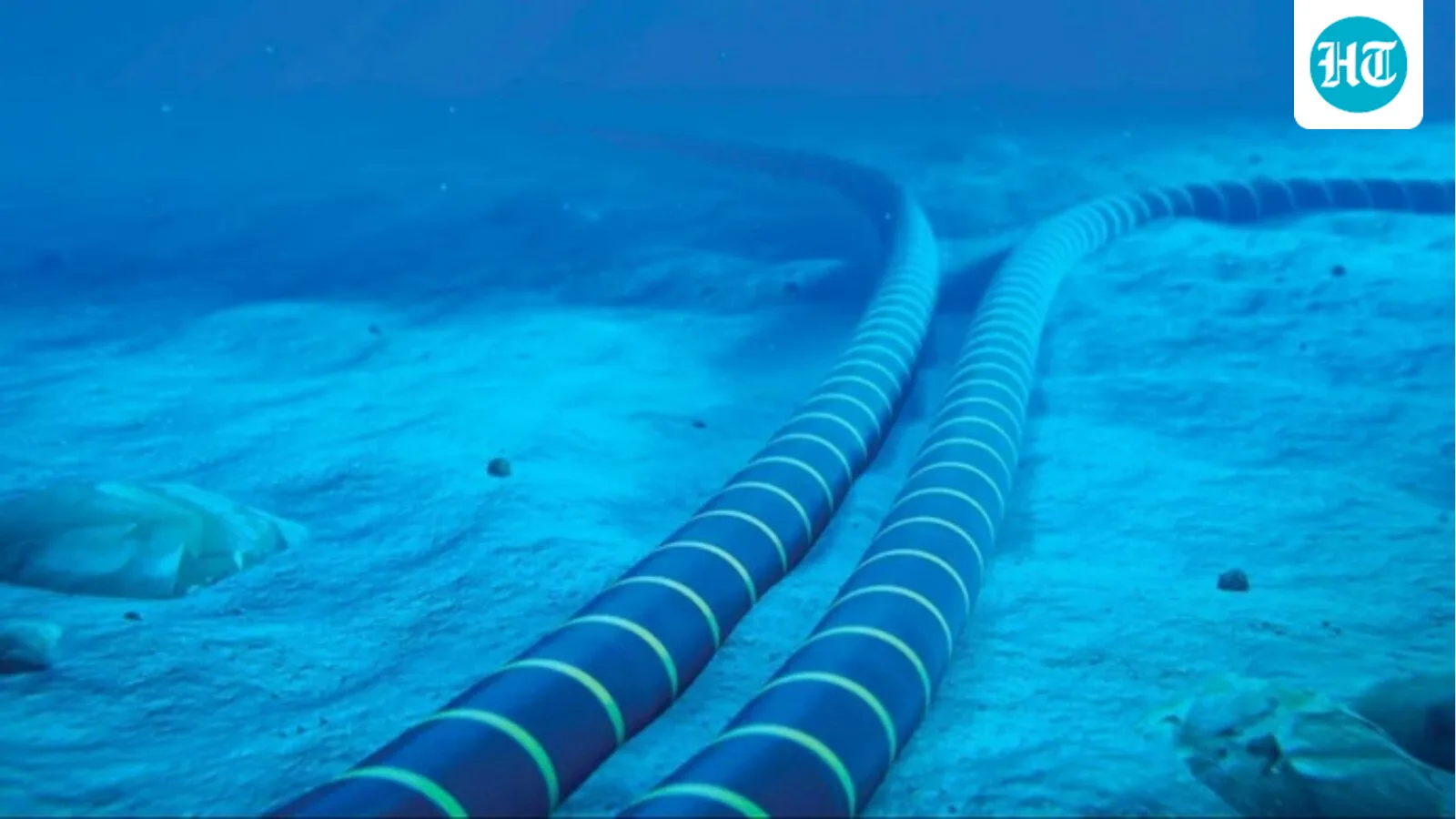
Iran threatens to target undersea cables in response to potential US and Israeli attacks.
Undersea cables are crucial for global internet traffic, with 99% of international data relying on them.
Repairing damaged cables in conflict zones poses significant challenges and delays.
Iranian officials have disclosed plans to target undersea cables in the Gulf, a move that could significantly disrupt internet access in the region. This announcement comes amid rising tensions between Iran and the United States, with the potential for military action looming. The cables, which are vital for international web traffic, could face severe interruptions if damaged, leading to delays in online services and financial transactions.
The undersea cables that traverse the Strait of Hormuz are essential for connecting the Gulf to the broader international internet infrastructure. Despite carrying less than 1% of the world's international bandwidth, their disruption could have a disproportionate effect on regional connectivity. The cables are not only crucial for data transmission but also for facilitating online payments and cloud services, which are increasingly relied upon by businesses and consumers alike.
According to reports, Iranian security officials have stated that plans are in place to target these cables should hostilities escalate with the US and Israel. The complexity of repairing undersea cables in a conflict zone adds another layer of difficulty, as repair ships require safe access to the area and may face delays due to the need for maritime work permits and adverse weather conditions. The average repair time for undersea cables can extend to weeks, depending on the severity of the damage and the availability of resources.
The implications of such disruptions extend beyond just internet access; they could hinder economic activities across the region. Analysts suggest that multiple cable cuts could lead to significant slowdowns in internet services, impacting e-commerce and cloud computing operations. The reliance on undersea cables for international data transfer means that any disruption could ripple through various sectors, affecting businesses and consumers alike.
Looking ahead, the situation remains precarious as tensions continue to escalate. The international community is closely monitoring developments, and any military action could lead to further threats against critical infrastructure. Stakeholders in the telecommunications industry are urged to bolster their defenses and prepare for potential disruptions, as the geopolitical landscape continues to evolve.