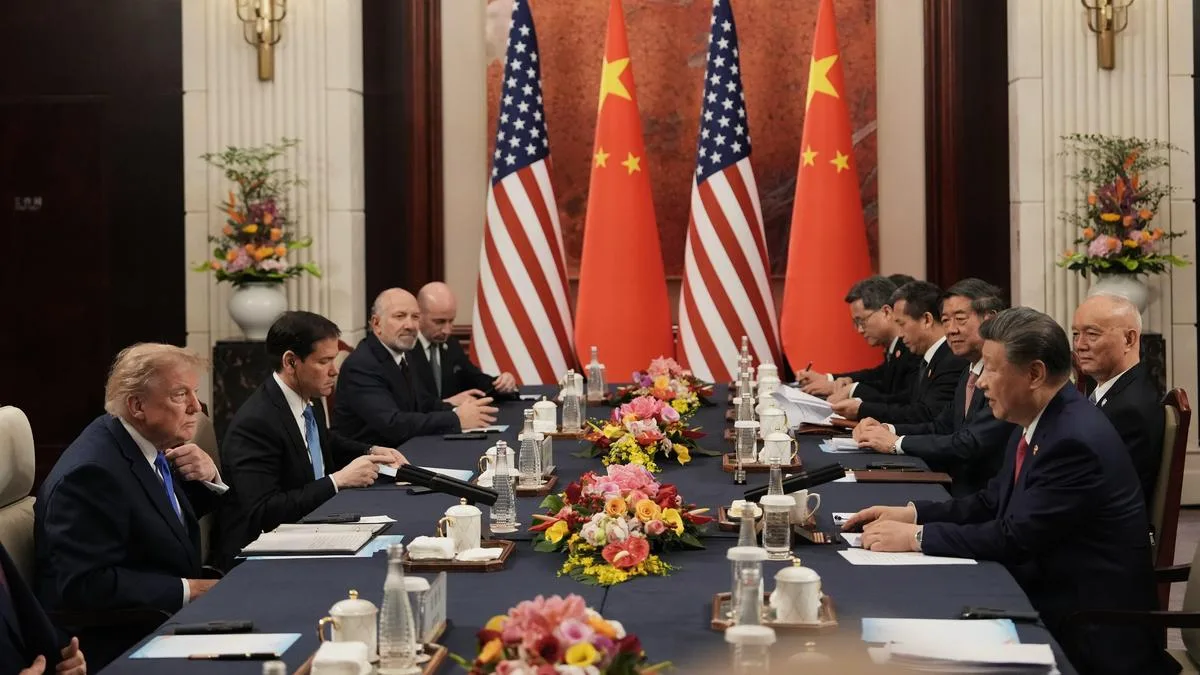
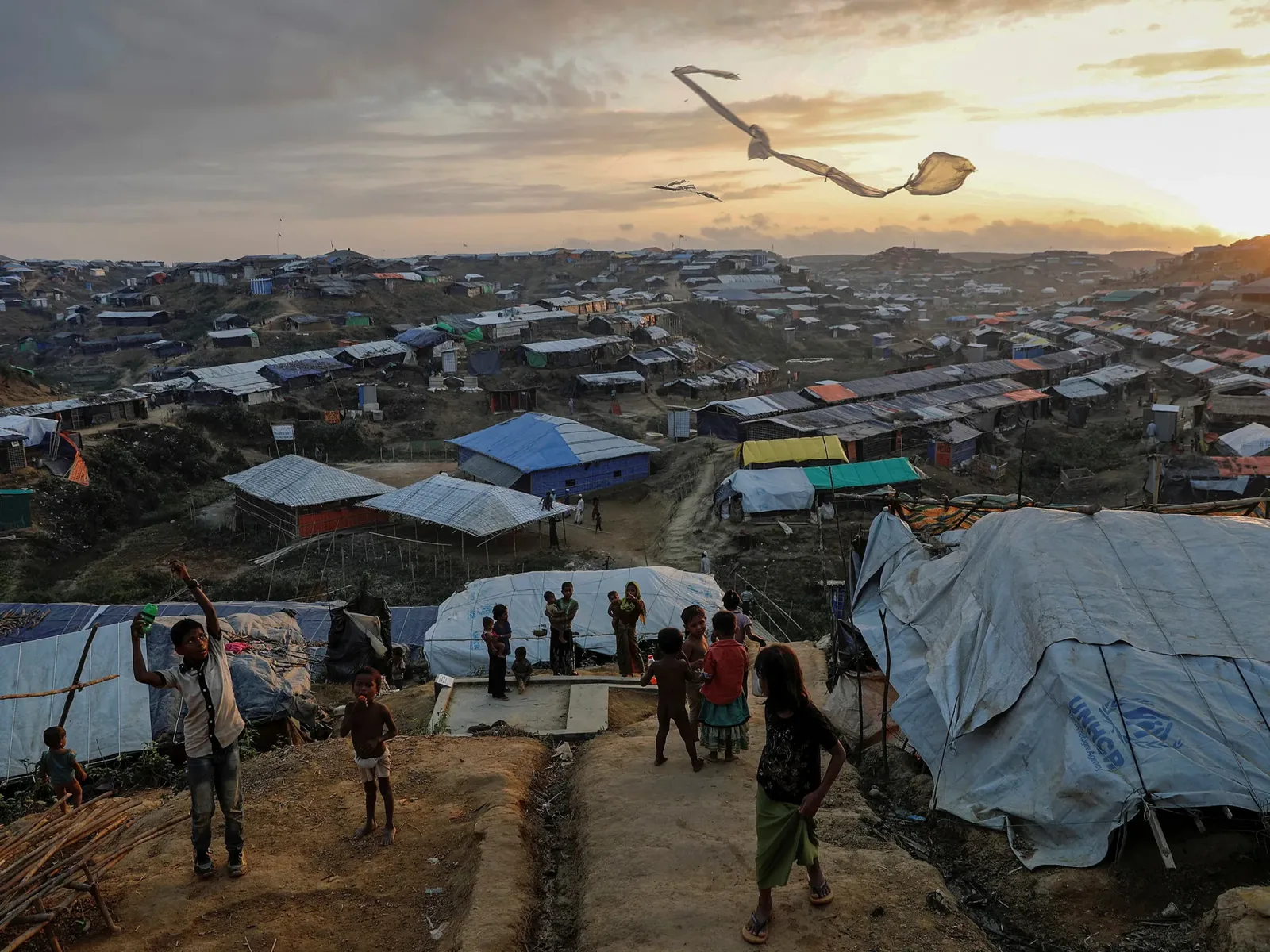
Iran and US Navigate Tensions Amidst Economic Strain
As both nations grapple with a precarious standoff, analysts warn of escalating confrontations and economic repercussions.
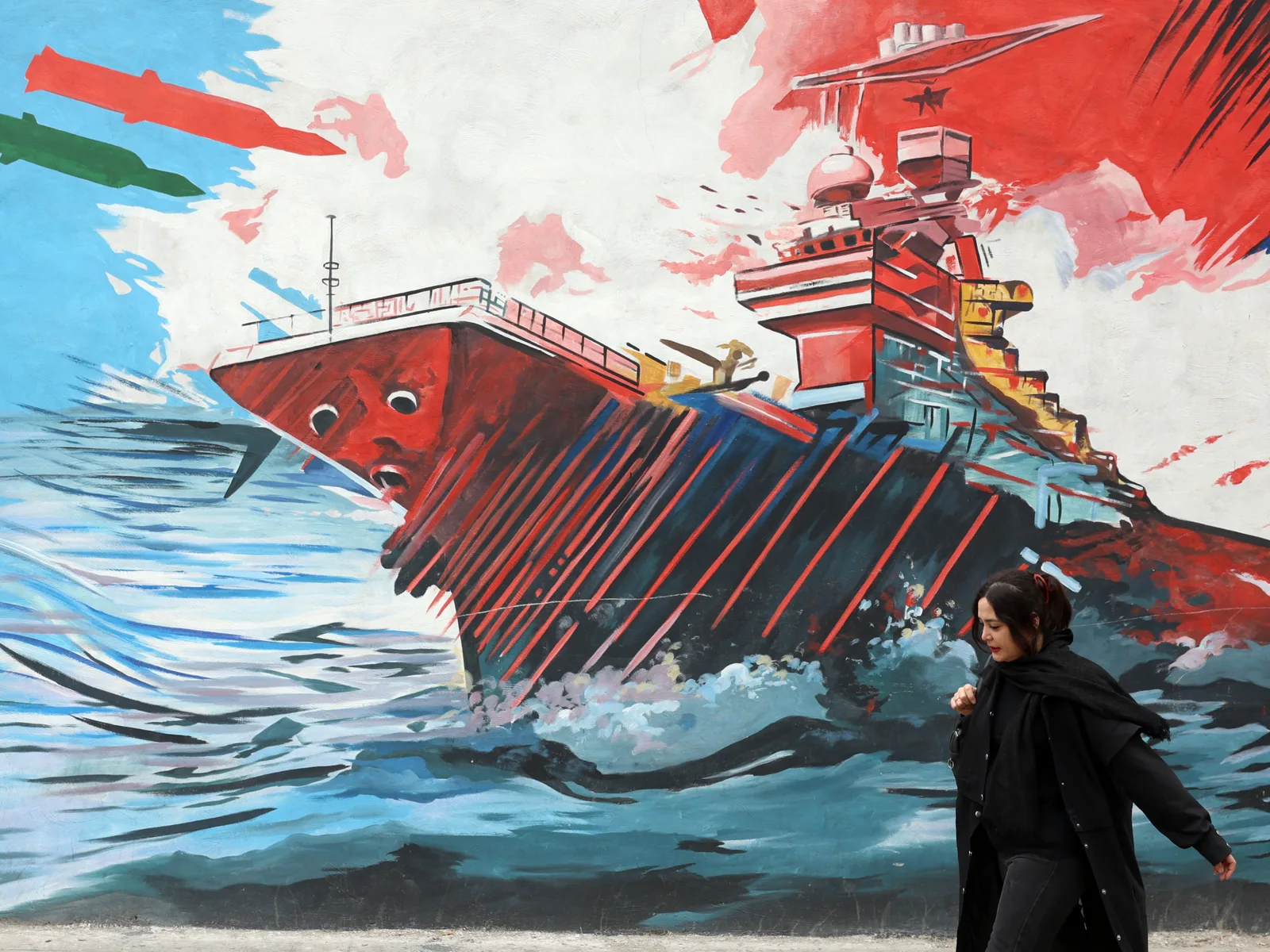
Iran and the US have engaged in limited confrontations while avoiding full-scale war.
Economic sanctions and military actions have intensified the strain on Iran's economy.
The ongoing conflict risks political instability within Iran and could impact global oil prices.
In a complex geopolitical landscape, Iran and the United States find themselves in a precarious standoff, balancing between outright conflict and a negotiated peace. Since the collapse of a memorandum of understanding in July, both nations have engaged in intermittent attacks while maintaining economic pressures against each other. This situation has led to a series of military actions, including Iran targeting US military sites in Bahrain and Kuwait, and the US conducting airstrikes on Iranian positions, notably on Qeshm Island.
Historically, the relationship between the US and Iran has been fraught with tension, particularly following the US withdrawal from the nuclear deal in 2018 and the subsequent imposition of severe economic sanctions. These sanctions have crippled Iran's economy, leading to soaring inflation and a significant decline in oil revenues. The Strait of Hormuz, a vital passage for global oil supplies, remains a focal point of military and economic maneuvers, with both nations enforcing blockades and disrupting shipping routes.
Recent statements from analysts highlight the differing perceptions of the costs associated with this ongoing confrontation. Hamidreza Azizi, a senior analyst at the International Crisis Group, noted that as economic pressures mount, Iran may increasingly consider military escalation as a means to break the deadlock. Meanwhile, US officials, including President Trump, have indicated a shift towards economic rather than military strategies, emphasizing the need to achieve objectives through sanctions rather than direct confrontation.
The implications of this standoff extend beyond the immediate conflict, affecting regional stability and global markets. Analysts warn that continued disruptions in the Strait of Hormuz could lead to significant fluctuations in oil prices, which have already seen dramatic increases since the onset of hostilities. The economic toll on Iran is particularly severe, with the government prioritizing short-term survival over long-term investments, exacerbating public discontent and risking political upheaval.
Looking ahead, the potential for escalation remains high as both nations navigate this complex landscape. The sustainability of the current status quo is uncertain, with Iran facing mounting internal pressures and the US grappling with public sentiment against prolonged foreign conflicts. As both sides weigh their options, the possibility of a renewed military confrontation looms, raising questions about the future of US-Iran relations and the stability of the region.