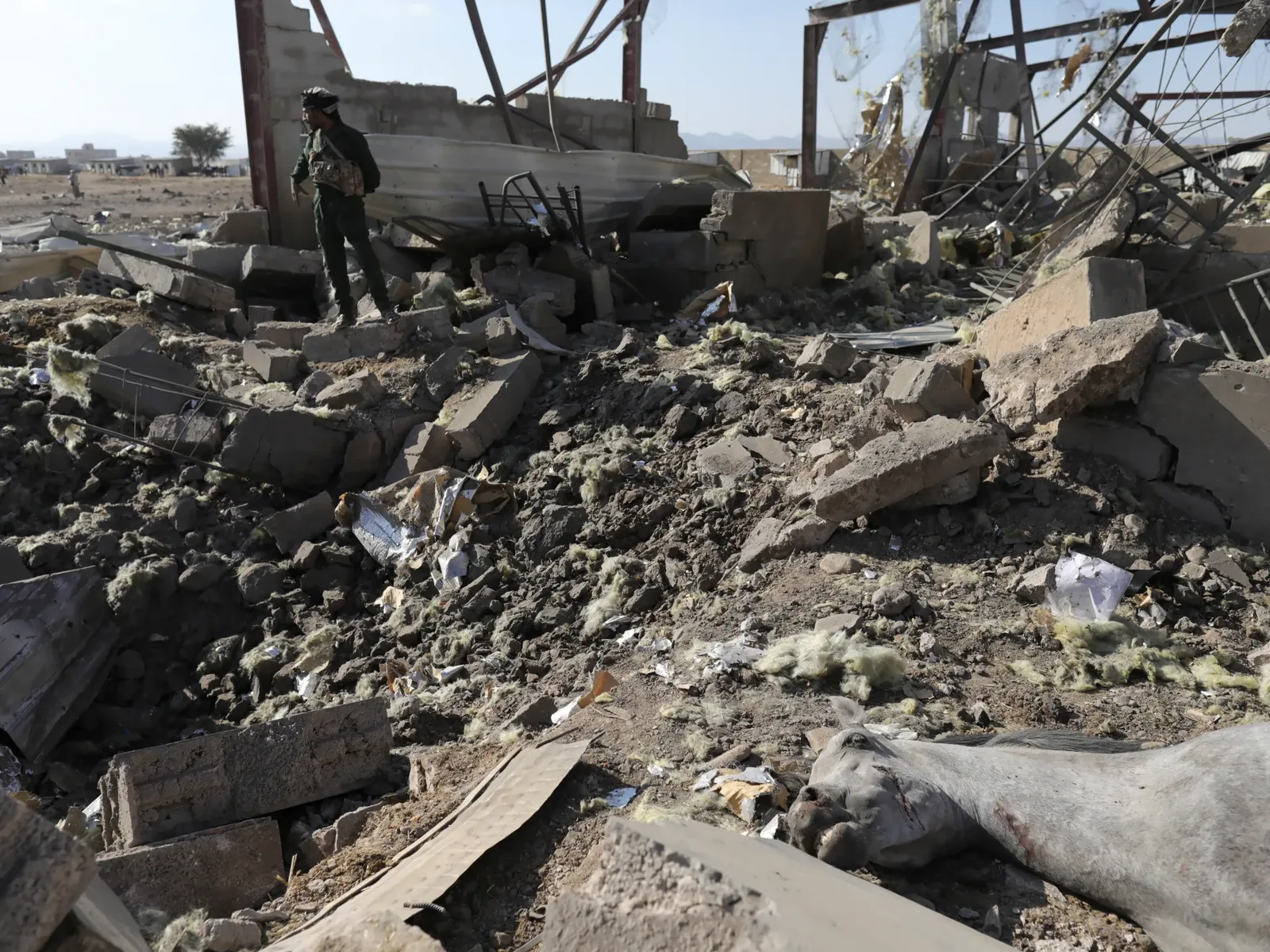
Iowa Army Ammunition Plant Prepares for Toxic Explosion on Wednesday
The US Army is set to detonate 68 barrels of lead azide, raising concerns about potential toxic fallout affecting thousands in Iowa.
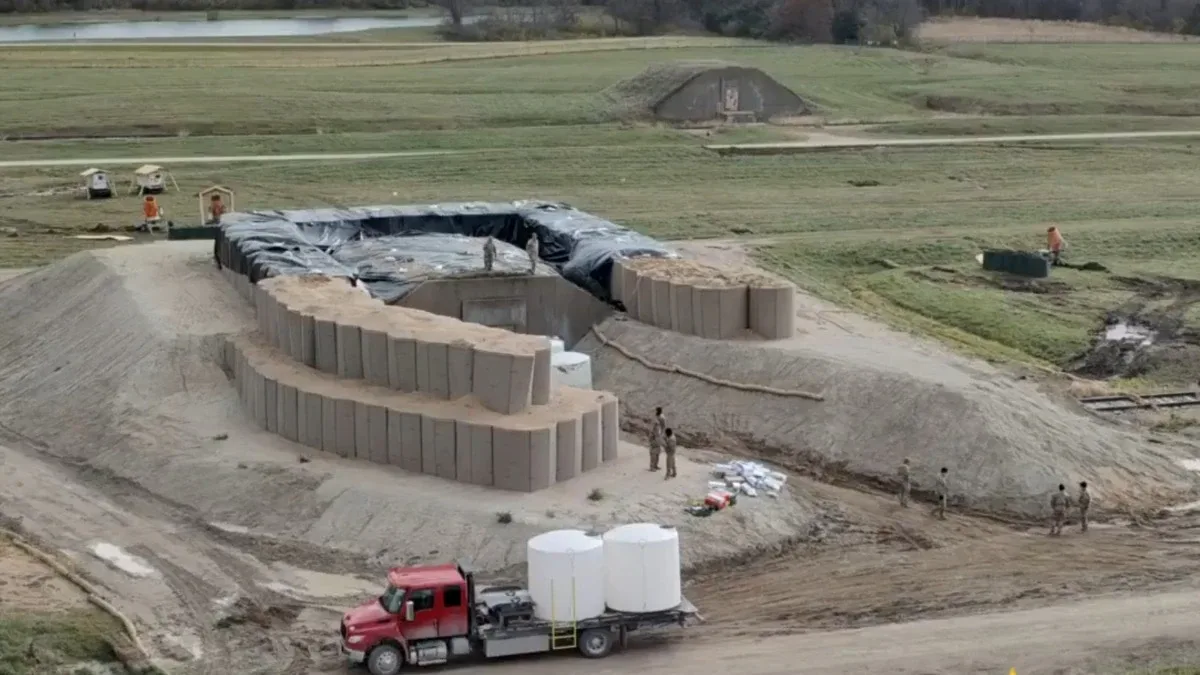
The planned detonation involves 4,355 kg of lead azide, a highly unstable explosive.
Environmental groups have raised alarms over the potential health risks from lead dust exposure.
Authorities have implemented extensive safety measures, but local residents remain anxious.
On Wednesday, the US Army is scheduled to conduct a controlled detonation of 68 barrels containing approximately 4,355 kg of lead azide at the Iowa Army Ammunition Plant. This operation has sparked significant concern among local residents and environmental advocates, who fear that the explosion could release toxic lead dust into the atmosphere, potentially affecting homes and farmland within a hundred-mile radius.
The lead azide, a compound known for its sensitivity and hazardous nature, has been stored at the facility since 2009. It was initially produced in large quantities during the Vietnam War but has since been deemed unserviceable due to the dangers associated with its handling and storage. The Army's decision to detonate this stockpile follows a federal appeals court ruling that lifted a temporary injunction sought by environmental groups to halt the explosion.
In preparation for the detonation, the Army has stated that it has implemented numerous safety measures, including the construction of a water wall, earth berms, and sand-filled barriers. Army Secretary Adam Telle emphasized that a controlled detonation is preferable to the risk of an uncontrolled explosion. However, despite these assurances, many residents remain skeptical and fearful of the potential fallout.
Local officials and environmental activists have expressed their concerns about the health implications of lead exposure, particularly for vulnerable populations such as children and pregnant women. The Iowa Environmental Council had previously filed a lawsuit to prevent the detonation, highlighting the risks associated with lead dust, which can cause serious health issues, including neurological damage.
As the detonation day approaches, residents of Middletown are taking precautions, with some sealing their homes and schools closing in anticipation of the explosion. The Army plans to monitor air quality and lead levels post-detonation, promising to address any contamination that exceeds federal standards. While officials believe that most of the lead particles will remain contained, the direction of the toxic plume will depend on wind conditions, leaving many in the community anxious about the outcome of this planned explosion.