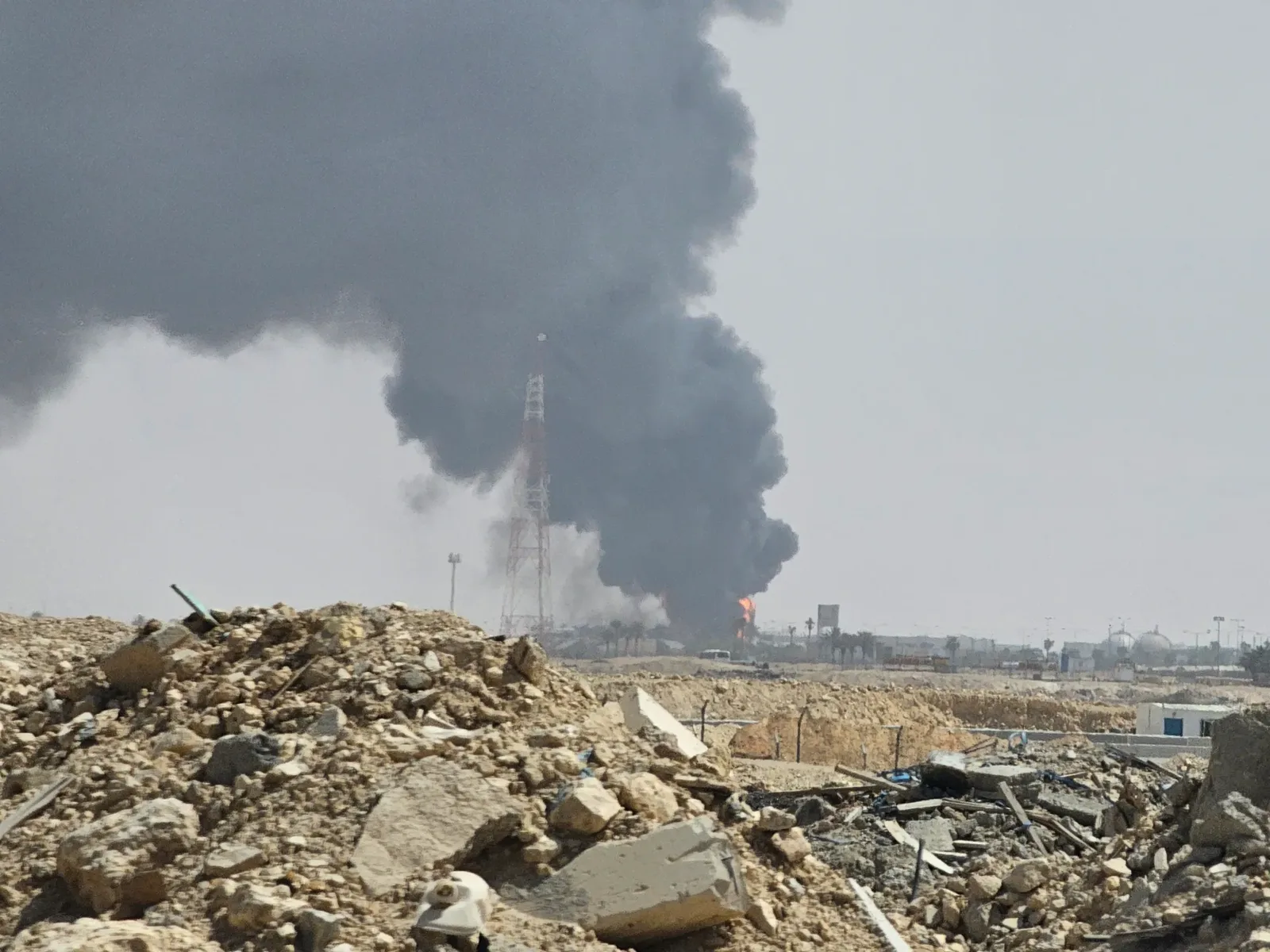
Intensified Clashes Erupt in Yemen's Taiz Governorate
Fighting escalates in Taiz as government forces launch a major offensive against Houthi rebels, threatening civilian safety.
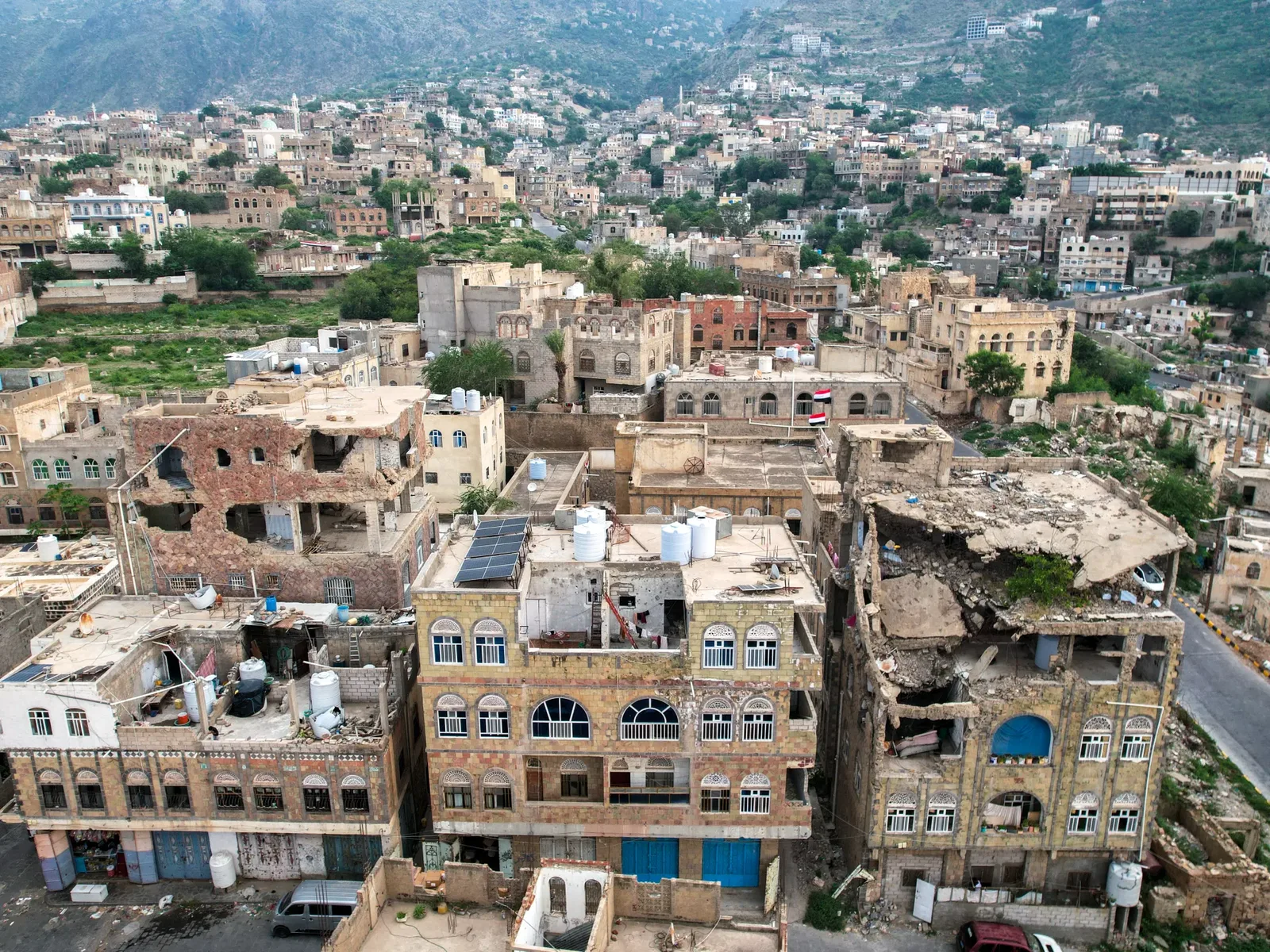
Taiz governorate is Yemen's most populous region with nearly 4.5 million residents.
The area is strategically crucial, controlling key supply routes and access to the Red Sea.
Recent clashes have displaced nearly 200,000 people, exacerbating the humanitarian crisis.
Fighting in Yemen's Taiz governorate has intensified as government forces have launched a significant offensive against Houthi rebels. This escalation comes as the Houthis, backed by Iran, have increased their attacks, threatening the safety of civilians in this populous region. The offensive was announced by Rashad al-Alimi, head of the Saudi Arabia-backed Presidential Leadership Council, on Sunday, signaling a renewed effort to reclaim territory lost to the Houthis.
Taiz is a key strategic area in southwestern Yemen, with a population of approximately 4.5 million. It includes vital coastal regions such as the port city of Mocha and the Bab al-Mandeb strait, which are crucial for international shipping. The Houthis captured these areas in early September, raising concerns about their ability to disrupt maritime traffic and supply routes essential for Taiz. The ongoing conflict has turned Taiz into one of the most contested regions since the war began in 2014, following the Houthis' takeover of the capital, Sanaa.
In recent days, government forces have conducted numerous airstrikes targeting Houthi positions, while the Houthis have responded with heavy artillery fire. Observers note that the fighting has reached a stalemate, with neither side gaining a decisive advantage. Local reports indicate that civilians are bearing the brunt of the conflict, with shelling causing casualties and prompting calls for evacuation. The humanitarian situation is dire, with the UN warning that the fragile healthcare system is at risk due to the ongoing violence.
The conflict's impact extends beyond immediate military concerns, as nearly 200,000 people have been displaced since the fighting escalated in September. The closure of major roads into Taiz City has raised alarms about a potential humanitarian disaster, with limited access to essential goods and services. The UNHCR and WHO have expressed concerns about the deteriorating conditions for civilians, emphasizing the urgent need for humanitarian assistance.
Looking ahead, the situation in Taiz remains precarious. Government forces are expected to continue their offensive, while the Houthis aim to consolidate their control over the region. The ongoing clashes will likely exacerbate the humanitarian crisis, making it imperative for international agencies to respond swiftly to the needs of displaced populations and those affected by the conflict.