Supreme Court Dismisses Tamil Nadu's Water Release Pleas on November 20, 2026
The Supreme Court ruled against Tamil Nadu's requests for Cauvery water release, emphasizing Karnataka's water scarcity.
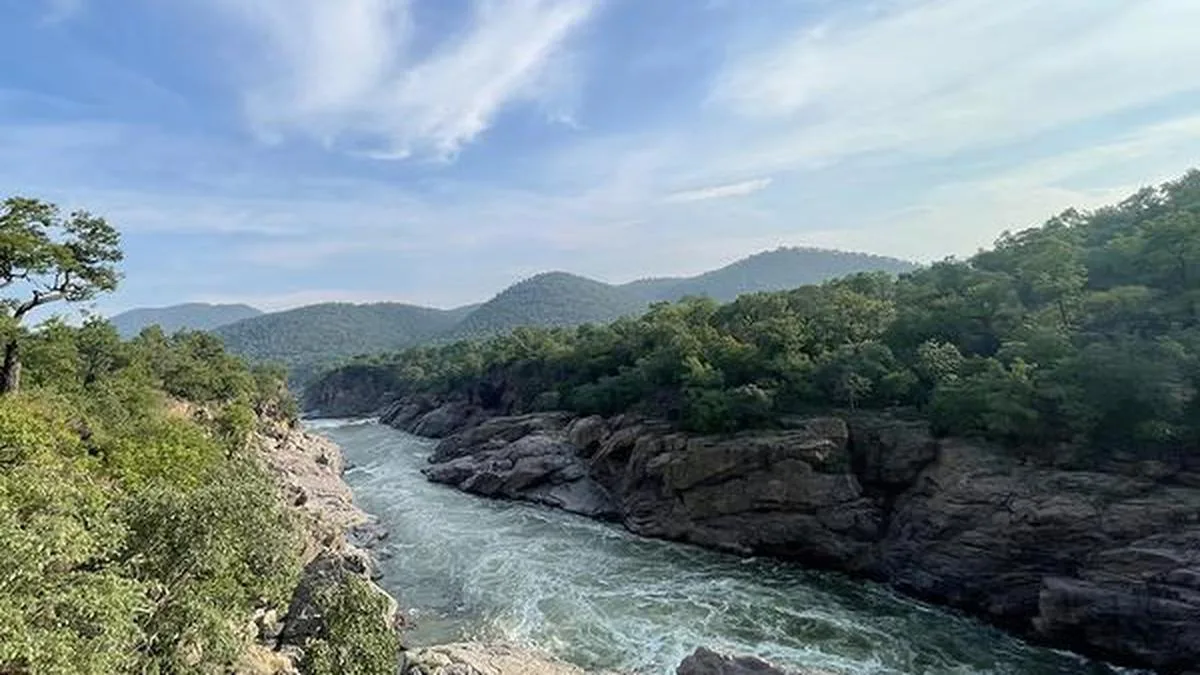
The Supreme Court dismissed Tamil Nadu's pleas for 11 TMC of Cauvery water.
Karnataka officials highlighted the state's ongoing drought and water scarcity.
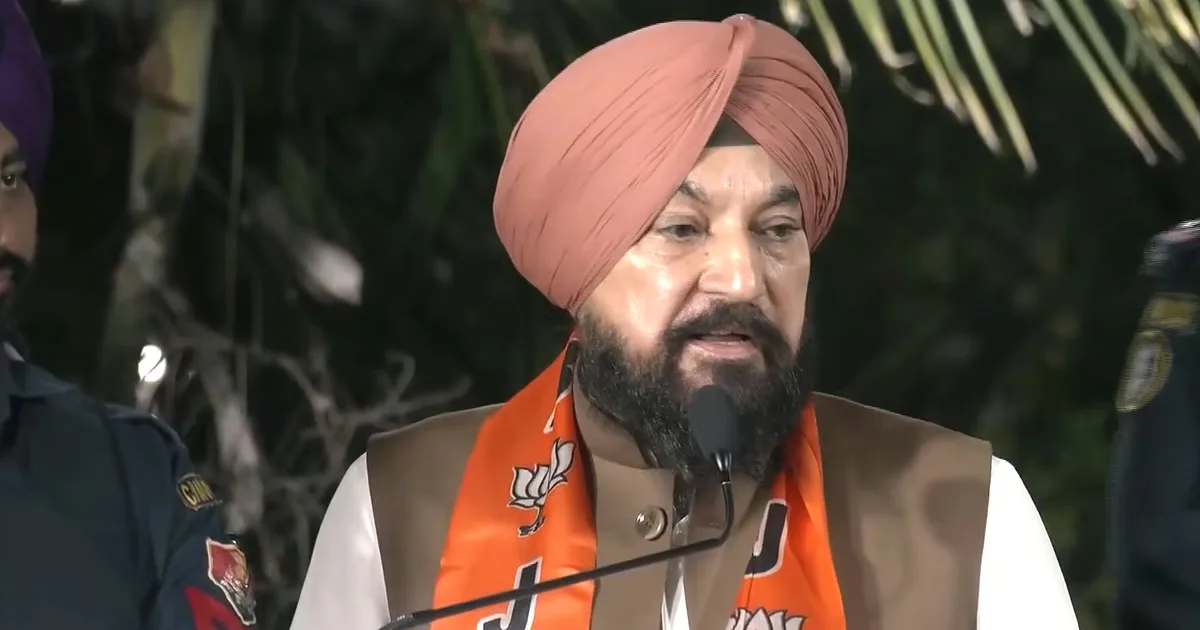
Chief Minister D.K. Shivakumar affirmed Karnataka's commitment to the Mekedatu project.
On November 20, 2026, the Supreme Court of India dismissed two petitions filed by the Tamil Nadu government seeking the release of 11 thousand million cubic feet (TMC) of water from the Cauvery River. The court's decision came after it had reserved judgment on these applications earlier in October. Tamil Nadu's requests were aimed at ensuring the release of water to address agricultural needs, particularly in light of the state's ongoing drought conditions.
In the wake of the ruling, Karnataka's Chief Minister D.K. Shivakumar expressed relief, stating that the verdict reflects the harsh realities on the ground. He pointed out that Karnataka is currently facing severe water shortages, not just for irrigation but also for drinking purposes. He urged farmers to be cautious, emphasizing that the state is unable to release additional water due to the dire situation in local reservoirs.
Karnataka's Sugarcane Growers’ Association also welcomed the Supreme Court's ruling, with its president, Kurubur Shanthakumar, noting that despite the late decision, it was a necessary acknowledgment of the state's water crisis. He lamented the impact of drought on crops and the inability to meet agricultural demands, highlighting the urgent need for water management strategies in the region.
The implications of this ruling extend beyond immediate agricultural concerns, as it underscores the complexities of inter-state water sharing in India. The ongoing Cauvery dispute has historically been a contentious issue between Karnataka and Tamil Nadu, with both states vying for equitable access to the river's resources. The Supreme Court's decision may influence future negotiations and water-sharing agreements, particularly as Karnataka moves forward with the Mekedatu balancing reservoir project, which it claims is essential for its water management.
Looking ahead, the situation remains fluid, with Karnataka expected to continue its efforts on the Mekedatu project while managing its water resources amid ongoing drought conditions. The Tamil Nadu government may seek alternative legal avenues or negotiations to address its water needs, as the Supreme Court's ruling sets a significant precedent in the long-standing dispute over Cauvery water sharing.